
Louis Vuitton Trainer for Men: Size, Fit, Comfort and What to Know Before Buying
1. Is This Sneaker a Good Choice for Men?
For men who want a luxury sneaker with more visual presence than a minimal leather pair, Louis Vuitton Trainer can work well for everyday outfits, travel, dinners and less formal settings. It becomes less convincing when very low weight or performance-focused cushioning comes first; fit and comfort over longer wear decide much of the rest.
What matters after that first judgment is how the sneaker fits into real use. A pair can look right in photos but still feel wrong if its proportions do not work with clothes already in the wardrobe or if comfort drops after several hours.
People who already like stronger footwear and want one sneaker to cover several casual situations will usually have a clearer reason to consider it.
2. What Makes the Design Different From a Basic Luxury Sneaker?
Basketball-inspired proportions create a very different effect from a plain low-top leather sneaker.
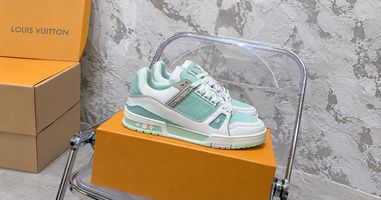
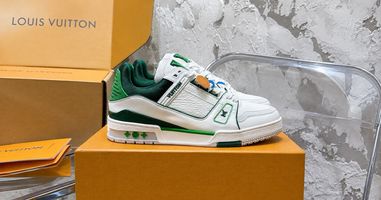
Layered panels, a substantial sole and a more complex upper bring enough presence to carry simple outfits without requiring much styling elsewhere. Jeans, knitwear or a basic jacket can feel more considered because the footwear contributes more visually.
That strength can also become a drawback when the rest of the outfit is extremely slim or formal. Sharp trousers with a short hem may make the sole appear heavier, while fuller cuts tend to balance it more easily.
Design appeal therefore makes more sense when judged as part of an outfit rather than from the shoe in isolation.
3. Who Does This Style Suit Best?
Wardrobes built around straight-leg denim, fuller trousers, casual jackets, overshirts and knitwear usually give this type of sneaker enough room to work.
Anyone who already owns simple white sneakers may also find LV Trainer useful as the more expressive pair in the rotation.
Instead of repeating another minimal option, it introduces a noticeably different direction.
People who prefer footwear to stay quiet and almost disappear into an outfit may get less from it. The same applies to wardrobes dominated by very slim tailoring or highly formal clothing.
Regular wear becomes much more likely when stronger sneakers already fit the way you dress rather than forcing the rest of the wardrobe to change.
4. What Should You Know About Fit Before Ordering?
Usual sneaker size is only one part of the fit decision.
Foot width, instep height, sock thickness and preferred toe room can all change how a structured sneaker feels. A close fit may suit one person, while another may want more space through the forefoot.
That is why it makes sense to check how the fit works before ordering rather than copying a number from another sneaker brand.
Fit also affects more than the first few minutes. Heel movement, pressure around the upper and stability during walking can all change once the pair stays on foot for several hours.
Getting this part right early can prevent many of the problems later blamed on comfort.
5. Does the Shoe Feel Heavy on Foot?
Visual weight and actual wearing feel should be considered separately.
Compared with a lightweight running shoe, Louis Vuitton Trainer for men has a more structured sensation underfoot. That does not automatically mean excessive weight, but anyone used almost exclusively to technical sneakers will notice a difference.
Some prefer this more planted feel because it makes the sneaker feel solid and substantial. Others care more about low effort and barely noticing their footwear during a long day.
Expected use matters. A few hours around town creates a different demand from repeated long walks.
A better question than simply asking whether the shoe is heavy is whether this level of structure matches the type of footwear you already enjoy.
6. Is It Comfortable Enough for Daily Wear?
Daily comfort changes with the length and type of use.
Short commutes, lunch, shopping and several hours around town do not place the same demands on footwear as a day filled with repeated walking. Heel hold, foot volume, sock choice and final sizing can all affect how the pair feels as time passes.
Anyone planning frequent extended wear should look more closely at comfort during walking and longer wear instead of relying on a short try-on.
This matters even more when one sneaker is expected to cover both routine use and travel.
Comfort is better judged around the longest realistic use case, not the easiest one. A shoe that works for dinner may still need more consideration before becoming the default pair for full travel days.
7. How Does It Compare With Lighter Everyday Sneakers?
Light everyday sneakers usually prioritize easy movement, flexibility and lower physical presence.
More structured luxury footwear puts greater emphasis on materials, construction and visual impact. These two approaches simply serve different needs.
People covering long distances every day may value low weight more than design presence. A routine built around shorter walks, dinners, meetings and casual social settings can make a more substantial sneaker easier to justify.
This comparison matters because disappointment often comes from expecting one type of shoe to behave like another.
Choosing a structured luxury sneaker makes more sense when its construction is part of the appeal rather than something you hope not to notice after buying.
8. Where Does It Fit in a Men's Shoe Rotation?
Most wardrobes already have several types of footwear doing different jobs: lightweight sneakers for easy days, loafers for smarter situations and simple leather pairs when footwear needs to stay quiet.
Louis Vuitton Trainer shoes sit somewhere between those roles. They remain casual enough for regular wear but offer more visual presence than a basic low-top.
Looking through other men's styles in the collection can help show whether this kind of sneaker fills an actual gap or overlaps with footwear already owned.
That distinction matters because a strong design does not automatically make a useful purchase.
If several current pairs already cover casual dinners, weekends and travel in a similar way, another statement sneaker may add less than expected. If those roles are missing, the case becomes much stronger.
9. What Outfits Work Best With It?
Straight denim is one of the easiest combinations because the trouser line leaves enough room around a substantial sole.
Fuller trousers can work just as well, especially when the fabric falls cleanly rather than bunching heavily over the upper. Casual tailoring is also possible when the jacket and trousers feel soft-structured instead of sharply formal.
Shorts create a different balance because more of the sneaker is exposed, making sock choice and leg proportion more noticeable.
Color has an equally important effect. Neutral versions usually repeat across more outfits, while stronger combinations need more cooperation from the rest of the wardrobe.
For regular use, the easiest pair is rarely just the most eye-catching one. It is usually the version that already works with several outfits you own.
10. Is It Practical for Commuting and Travel?
Airport days, commuting, shopping and dinner all benefit from footwear that can move between casual and slightly more polished settings without requiring a change of shoes.
That flexibility is one reason Louis Vuitton Trainer can make sense as a regular-use sneaker rather than something kept only for occasional wear.
Before choosing the exact pair, materials, construction and available colorway can be checked on the product page:https://www.aomzi.com/products/louis-vuitton-trainer-men-shoes-casual-sport-sneakers-ltb03
Those differences matter because practicality is not identical across every version.
Longer travel days also bring fit and comfort back into the decision. A sneaker that moves easily from airport to dinner still needs to feel right after several hours on foot, especially when one pair is expected to handle most of the trip.
11. What Should You Expect From the Materials in Regular Use?
Light-colored panels usually show marks sooner, while mixed-material uppers can require more careful cleaning than simpler constructions.
Layered surfaces may also collect dust or show wear around the edges sooner than expected from a plain leather sneaker.
None of that makes this style impractical. It simply means upkeep should be considered before the pair enters a weekly rotation.
Frequent cleaning will barely register as a concern for some people. Others may be happier with a darker or simpler version that asks for less attention.
In practice, a slightly less dramatic option that suits your tolerance for upkeep may end up receiving far more wear.
12. Does the Design Stay Easy to Wear Over Time?
Strong first impressions do not always translate into high wear frequency.
Neutral color combinations usually integrate into more outfits, while expressive Louis Vuitton Trainer sneakers can ask more from the wardrobe around them.
A pair may look excellent by itself yet become difficult to repeat if only two trousers and one jacket work with it. That becomes more noticeable once the excitement of the first few wears fades.
Long-term wearability is better judged against clothing already owned than against campaign styling or an isolated product image.
If several existing outfits work immediately, the sneaker has a better chance of becoming part of regular use. If every combination needs extra planning, its practical range is probably smaller than it first appeared.
13. When Might This Shoe Be the Wrong Choice?
People who spend much of every day covering long distances may prefer footwear built more directly around low weight and prolonged movement.
Very slim formal clothing can also be difficult to balance with a substantial sneaker profile. The mismatch becomes more noticeable when trousers finish high above the shoe or taper aggressively toward the ankle.
Maintenance is another reason to reconsider. Light or mixed-material versions may frustrate anyone who does not want to think about cleaning after normal wear.
Duplication matters too.
If several sneakers already provide the same strong visual effect, another pair may spend more time stored than expected.
Luxury footwear becomes easier to justify when it fills a real wardrobe need rather than repeating a job that is already covered.
14. Is It Worth Buying for Regular Use?
Wear frequency matters more than how impressive a sneaker looks during the first few days.
A pair used for weekends, travel, dinners and casual work settings creates a very different value proposition from one that comes out only a few times each year.
Wardrobe compatibility changes the calculation as well. When several existing outfits already work, the purchase has a clearer practical case. If new trousers or outerwear are needed just to make the sneaker feel right, real cost rises.
For another angle on the decision,see the value guide.
A deeper decision comes down to whether this pair is worth buying for regular use, considering frequency, styling range and the compromises you are comfortable accepting.
Price is only one part of value. How much of your actual week the sneaker can cover matters just as much.
15. What Should You Check Before Making the Final Choice?
Size, foot volume, expected walking time, clothing proportions, color choice, upkeep and realistic wear frequency should all be clear before ordering.
None of those factors needs to be perfect, but most should point in the same direction.
People searching for louis vuitton trainer men shoes are usually already close to a decision. At that stage, brand recognition matters less than whether the sneaker fits properly, works with clothing already owned and has a clear place in normal use.
When those conditions line up, the purchase becomes easier to justify because the shoe is likely to be worn rather than simply admired.
If several remain uncertain, checking fit, comfort or alternative styles first is more useful than forcing a decision based only on appearance.