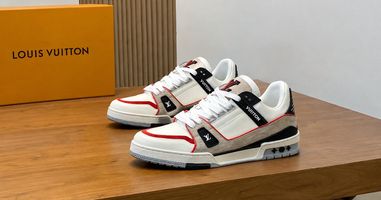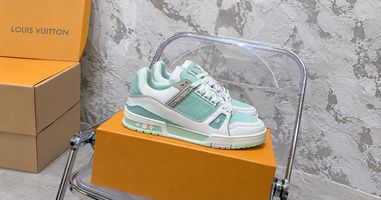
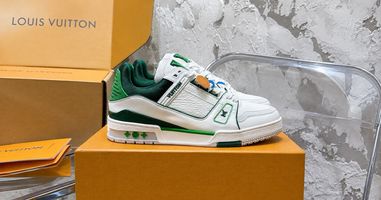
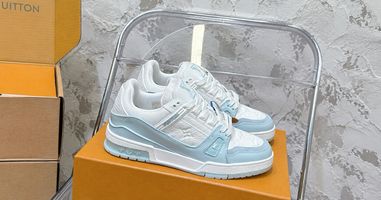
How Do Louis Vuitton Trainers Fit? Sizing and Fit Before You Order
1. How Do Louis Vuitton Trainers Fit?
Louis Vuitton Trainer fit deserves more attention than simply ordering the same number you wear in every other sneaker. This style is generally known for a roomier fit, but foot width, instep height and preferred toe space still affect which size feels right.
A safer approach starts with official sizing guidance, then adjusts for the way your own foot sits inside a structured sneaker.
People used to performance shoes may also notice that fit feels different even when the printed size looks familiar. More structure around the foot can make extra room or pressure easier to notice after several minutes of wear.
2. Why Your Usual Sneaker Size May Not Be Enough
Sizing across sneaker brands is not perfectly interchangeable.
A number that feels right in Nike, Adidas or New Balance does not guarantee the same internal length, forefoot space or heel hold in a luxury sneaker. Construction matters as much as the number on the label.
Performance shoes also tend to use softer, more flexible uppers, which can make small sizing differences less noticeable. More structured construction exposes extra room or pressure sooner.
Use your usual sneaker size as a reference, then check toe room, heel security and pressure through the sides or instep.
3. What Does “Runs Large” Actually Mean?
When a sneaker runs large, extra room does not always appear in the same place.
With LV Trainer, one person may notice more length, while another feels extra space around the forefoot or heel. Foot proportions change how that room is distributed.
“Runs large” is therefore useful direction rather than a complete fitting formula.
Sizing down may improve overall security, but width and instep height still matter. A smaller size that improves heel hold is not useful if it creates pressure elsewhere.
4. Should You Size Down?
Sizing down can make sense when the larger option leaves obvious extra length, noticeable heel movement or too much room through the shoe.
That does not mean choosing the smallest fit possible.
Toe position still needs enough room for normal movement, while the forefoot should not feel compressed simply because heel hold improves.
If two sizes are close, pay attention to where the difference is felt. Extra length is not the same problem as side pressure, and each points toward a different decision.
Two people with similar foot length can still need different sizes because forefoot width and instep volume differ.
5. How Does Foot Width Change the Fit?
Width can change the size decision even when overall foot length seems straightforward.
Louis Vuitton Trainer shoes may feel generous enough lengthwise while still creating pressure across a wider forefoot.
A slimmer foot can experience the opposite problem, with enough length but more internal movement than expected.
Pressure around the ball of the foot deserves attention during a try-on. It should not feel as though the sides are holding the foot in place through compression.
Too much lateral movement creates the opposite issue by making walking feel less secure.
Good fit keeps the foot stable without depending on the upper to squeeze it into position.
6. Does Instep Height Matter?
Instep height is easy to overlook because it is not represented by the size number.
Higher-volume feet may feel pressure
across the top even when length and width seem correct. Lower-volume feet can experience extra movement in the same area.
Lacing can correct part of that difference. Loosening the upper sections may relieve some pressure, while firmer lacing can improve security for a lower-volume foot.
There is still a point where laces stop solving the problem.
If the sneaker only feels secure when tied unusually tight, or pressure remains after loosening, the underlying fit may be wrong.
7. How Much Toe Room Should You Leave?
Toes should not press against the front while standing, and they should still have room to move when walking.
Too much empty space creates a different problem. Extra length can allow the foot to slide forward, reduce heel security and change how the shoe bends through each step.
For someone already comparing available sizes, the exact louis vuitton Trainer men sneakers can be checked on the product page before ordering.
Toe room should feel intentional rather than generous for its own sake. Enough space for normal movement is useful; enough room for the foot to move around inside the shoe is not.
If two sizes both seem possible, compare heel security and forefoot comfort instead of judging by toe space alone.
8. Does Sock Thickness Change the Size Choice?
Sock choice can affect fit, particularly when two sizes are close.
Thin socks leave more internal space and may make heel movement easier to notice.
Standard crew socks add some volume without changing the feel dramatically.
Thicker socks can tighten the forefoot and instep, which matters if the sneaker already feels close in those areas.
Try the pair with the type of socks you expect to wear most.
Sizing around an unusually thin or thick sock can give a misleading result if normal weekly use looks very different.
9. How Should the Heel Feel?
Heel movement should be checked while walking, not just while standing.
A small amount of movement can feel very different once the foot begins bending through several steps. Obvious lifting, repeated slipping or the sense that the foot is moving independently inside LV Trainer shoes usually signals too much room.
Lacing can improve heel hold, but it should not require excessive tension.
A secure fit should feel controlled without forcing the upper tightly against the foot.
Walking a few turns, changing direction and stopping can reveal whether the heel stays connected to the shoe as movement changes.
10. What Should You Check During a Try-On?
A useful try-on should test more than standing in front of a mirror.
Walk normally, turn, stop and rise slightly onto the forefoot. Check both feet because small differences in length or volume are common.
Pay attention to four areas: toe room, forefoot pressure, instep pressure and heel movement.
Fit is only one part of whether this sneaker works for regular use. The full fit guide adds comfort, everyday wear and broader buying considerations before a final decision.
A pair that feels technically correct in size still needs to make sense for the way it will actually be worn.
11. When Is the Fit Probably Wrong?
Persistent pressure is a stronger warning sign than simple unfamiliarity.
With Louis Vuitton Trainer for men, fit is probably wrong when toes repeatedly touch the front, the forefoot feels compressed, the instep becomes uncomfortable or heel movement remains obvious after normal lacing.
Another warning sign is needing to change the way you walk just to keep the shoe secure.
Small differences can settle as you become accustomed to a new sneaker, but obvious sizing problems should not be explained away as something that will automatically disappear.
Comfort should feel stable enough from the start that regular wear seems realistic.
12. What Should You Confirm Before Ordering the Exact Pair?
Before ordering, confirm that the available size matches the version you actually want.
Color and material choices can affect how practical the pair feels, while availability may differ across specific versions.
Check current product information rather than relying on a saved image, screenshot or older listing.
It also helps to compare expected fit with the socks you normally wear. A sneaker intended for frequent use should work under normal conditions rather than only during an ideal try-on.
Sizing confidence comes from combining product information with your own foot measurements and fit preferences.
13. What Is the Safest Way to Make the Final Size Decision?
Start with official sizing guidance, then judge length, forefoot space, instep pressure and heel security together.
Do not let one familiar size number override everything else.
A properly fitted Louis Vuitton Trainer sneakers pair should feel secure without excessive lace tension, leave enough room for normal toe movement and remain comfortable while walking rather than only while standing.
If two sizes seem possible, compare where each one succeeds or fails instead of assuming the smaller or larger option is automatically better.
The goal is simple: enough room for movement, enough structure for control and no obvious pressure area that makes regular wear difficult.