
James Anderson | 15 days ago

Louis Vuitton Shoes Comparison Current Styles Are Worth Comparing Before You Choose?

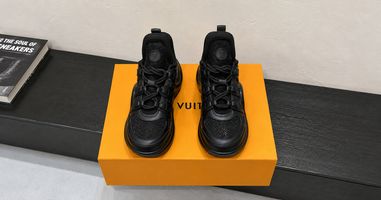
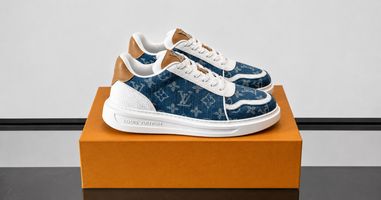
The most useful way to compare louis vuitton shoes is to separate styles competing for the same place in a wardrobe from pairs solving different problems.A sneaker,loafer,ballerina,or boot may all be appealing,but the final shortlist works better when each candidate could realistically replace another.


Instead of asking which pair looks best across the collection,start by identifying what this purchase needs to add,replace,or improve.Then compare models only after the competing function is clear.


1.Not Every Good Shoe Belongs in the Same Comparison


Two attractive shoes are not automatically meaningful competitors.


They may differ in:


• visual weight


• upper structure


• foot exposure


• trouser or hem compatibility


• movement demands


• whether they replace or expand the wardrobe


Use a Replacement Test:


If one candidate disappeared,would the other genuinely take over the same job?


If not,the pairing may be interesting without helping the final decision.


A fuller sneaker and a pointed pump rarely solve the same problem.A cleaner sneaker and another low-profile casual shoe may compete much more directly.


Define similarity by function,not brand name or price level.


2.Start With the Purchase Slot,Not the Model Name


Before comparing models,define the position this purchase should fill.


That might be:


• an everyday sneaker


• a cleaner casual sneaker


• a stronger street-oriented sneaker


• a polished flat


• a dressier low shoe


• a seasonal ankle boot


• a pair for higher-dress settings


Several shoes can be appealing for different reasons without belonging on the same final list.


Ask:


Which existing shoe would this purchase replace most often?


If there is no clear answer,the new pair may be filling a wardrobe gap instead.That calls for a different decision.


3.Visual Weight Can Separate Two Shoes Before Use Does


Two pairs can suit similar days while producing very different effects under the same clothing.


Look at:


• sole thickness


• upper volume


• panel contrast


• hardware presence


• instep exposure


• toe profile


• shaft height


• how much of the shoe remains visible below the hem


Use a Visual-Weight Gap.


Place both candidates under the same trousers.If one stays visually quiet while the other becomes a major part of the outfit,they may not be true substitutes even if both are casual.


A shoe can technically work with an outfit while still requiring more volume,contrast,or a different hem elsewhere.When that pattern repeats,the visual difference matters.


4.Men's Shortlists Usually Become Sneaker Comparisons Faster


For many men's selections,the final decision narrows into sneakers rather than remaining broad across every footwear category.


Within louis vuitton shoes for men,the distinction is not simply sneaker versus non-sneaker.It is what type of sneaker deserves the place.


A shortlist may include:


• a cleaner profile


• a softer-looking upper


• a fuller sole


• a more technical direction


• a stronger streetwear presence


• a pair between casual and polished clothing


Model names become useful only after those directions are clear.


5.Men's Sneakers Should Compete on the Difference You Will Notice Repeatedly


A good head-to-head should expose a repeated tradeoff:


• cleaner upper vs layered construction


• quieter sole vs stronger sole presence


• softer visual treatment vs technical styling


• straight-trouser compatibility vs

stronger effect with wider denim

This tells more than popularity.


The better candidate is the one whose compromises show up less often in the clothing already worn.


Several sneakers can cover similar casual settings while asking for very different proportions around them.That is the difference worth testing.


6.Narrow the Men's Branch Before Comparing Individual Pairs


Once the choice is clearly between sneakers,reduce the field to models competing for the same wardrobe position.


The current men's sneaker shortlist should contain distinct directions rather than many similar candidates.


For example:


• one cleaner sneaker


• one fuller or more expressive sneaker


• one modern sport-oriented option


• one alternative different enough to justify comparison


Then remove any pair whose advantage already exists elsewhere in the wardrobe.


The goal is not a fixed number.It is a final group where every remaining model creates a meaningful choice.


7.Women's Comparisons Need One More Filter Before the Model Stage


The women's side usually needs another step because several categories may answer the same broad need differently.


A more polished purchase could still mean:


• loafers


• ballerinas


• Mary Jane flats


• pumps


• ankle boots


At this stage,the question is no longer:


Which category works for my whole week?


It becomes:


Which models inside the category I have already chosen deserve direct comparison?


The category should be mostly settled before model-level differences start driving the choice.


8.Use the Women's Category Page to Confirm the Direction,Not to Restart the Search


Once the category is reasonably clear,the available louis vuitton shoes for women can help identify which models occupy that space.


A loafer search should stay focused on loafers unless another category genuinely competes for the same wardrobe position.


The same applies to ballerinas,pumps,and ankle boots.


A broad collection can create many attractive alternatives,but the final decision improves when the category page confirms the direction rather than reopening every possibility.


9.Compare Within a Category Before Crossing Categories


Use a Category-Substitution Check.


Ask:


Would both pairs realistically be worn with the same clothing,for the same part of the week,and in the same buying slot?


If yes,a direct comparison makes sense.


That can apply to:


• loafer vs loafer


• ballerina vs Mary Jane ballerina


• ankle boot vs ankle boot


• two sneakers with different visual directions


If not,the shoes may belong in separate decisions.


The goal is not to rank the whole collection.It is to isolate the tradeoff that could change what someone buys.


10.Remove Redundancy Before Adding Another Candidate


Use a Redundancy Check.


For every candidate,ask:


What does this pair add that another finalist does not already provide?


Compare:


• trouser compatibility


• dress level


• visual weight


• seasonality


• foot exposure


• sole presence


• impact on a simple outfit


If two candidates repeatedly produce the same result,the final list may contain duplicate options.


That matters most when the new pair is meant to expand the wardrobe.Redundancy can be intentional,but it should be recognized before the choice is made.


11.Decide Whether the Women's Purchase Is Replacing or Expanding


Before entering a final model comparison,decide whether the new pair is replacing something or expanding the wardrobe.


A replacement asks:


Which candidate performs an existing job more effectively?


An expansion asks:


Which candidate adds something the wardrobe cannot already do?


The current women's footwear comparison becomes more useful once that distinction is clear,because loafers,ballerinas,and boots should not be judged by the same standard.


For a replacement,test the candidate against the shoe already worn most.


For an expansion,ask what new clothing,season,or dress level becomes usable after the purchase.


12.Build the Final Two Around a Real Tradeoff


A final comparison should contain tension.


A useful pair of finalists might represent:


• cleaner vs more expressive


• lower-profile vs fuller


• softer visual treatment vs technical direction


• uninterrupted foot line vs visible strap emphasis


• quieter loafer vs stronger hardware presence


• lower shaft visibility vs more dominant ankle coverage


With louis vuitton shoes,the final two should be similar enough to compete for the same purchase but different enough that choosing one means accepting a real tradeoff.


That tension is what turns comparison into a buying decision.


13.The Right Comparison Starts Before the Final Model Choice


A useful shortlist starts before the final two model names appear.


Define what the purchase needs to do.Remove shoes solving a different problem.Separate candidates by visual weight,category,and wardrobe overlap.Then keep the pairs that can genuinely replace one another or add a clearly different function.


Men's decisions can then move into sneaker-specific comparisons,while women's decisions can move into focused loafer,ballerina,boot,or other model-level choices.


The best comparison is the one where the outcome changes what someone would actually purchase.


FAQ


Should Louis Vuitton sneakers only be compared with other sneakers?


Usually,yes,when the purchase is clearly for a sneaker.Cross-category comparisons make sense when two shoe types genuinely compete for the same wardrobe position.


How many pairs should be on a final shortlist?


Two or three serious candidates are usually enough.If the list keeps expanding,the purchase position may still be too broad.


Is the most versatile pair always the best first choice?


No.A broadly versatile pair may add less than a more specific shoe that fills a real gap in the existing wardrobe.

James Anderson

James Anderson is a luxury footwear writer specializing in designer shoes,fashion craftsmanship,and timeless style.He explores the materials,construction,heritage,and design philosophy behind iconic footwear brands,providing practical insights into choosing and styling luxury shoes for different occasions.His guides help readers understand the details behind premium footwear and how these pieces fit into modern wardrobes.

Related Posts

Louis Vuitton Men Shoes Sneakers Belong on the Final Shortlist?Louis Vuitton Men Shoes Sneakers Belong on the Final Shortlist?
Louis Vuitton Men Shoes Sneakers Belong on the Final Shortlist?

A useful shortlist for louis vuitton men shoes should not contain several sneakers doing nearly the same job.Trainer,ButterSoft,Tilted,Tatic,Skate,and Run Away make more sense when each stays for a distinct reason weight,upper treatment,sport influence,trouser compatibility,or styling adjustment.


The goal is to remove repeated functions until every finalist represents a clear buying direction.


1.A Final Shortlist Needs Distinct Reasons,Not More Models


Use a Distinct-Reason Test.


For every sneaker,ask:


If this pair stays,what does it contribute that another finalist cannot provide as easily?


A model may deserve its place because it offers:


• a cleaner upper


• softer visual treatment


• a fuller sole


• a more technical sport direction


• stronger compatibility with wider trousers


• less styling adjustment with simple clothing


If two pairs stay for the same reason,the list may still be too crowded.


Six appealing sneakers do not create six meaningful choices.The remaining differences should be strong enough to affect the purchase.


2.Start With the Sneakers That Compete for Your Most-Worn Trousers


Start with louis vuitton men sneakers that already compete for the trousers worn most often.


Test them under:


• straight trousers


• wider denim


• tapered casual trousers


• cleaner dark trousers


The same sneaker can look balanced under one hem and overly dominant under another.


Ask:


Which pairs keep returning under the clothes already worn most?


Those models deserve more attention than a sneaker that works only in an occasional outfit.


This identifies the real competitors,not the winner.


3.Trainer Is a Reference Point,Not the Automatic Winner


Trainer works well as a reference because it sits near the middle of several sneaker directions.


Use it to compare:


• layered upper construction


• medium-to-full visual presence


• basketball-derived proportions


• branding visibility


• how much sneaker remains visible under common trouser hems


That does not make Trainer the default winner.


Another sneaker should remain only if it adds something noticeably different.Otherwise,it may duplicate a role already covered.


4.A Shortlist Can Fail Even When Every Sneaker Looks Different


Visible differences are easy to find:


• different materials


• another sole pattern


• contrasting panels


• stronger branding


• different color treatment


But those differences do not automatically change how the sneaker works in a wardrobe.


Use a Functional-Difference Check.


At least one of these should change:


• trouser relationship


• visual weight


• dress level


• sport-to-street balance


• styling adjustment cost


If none changes,the distinction may be mostly cosmetic.


5.ButterSoft Should Stay Only If Softness Changes More Than the Upper


ButterSoft becomes worth keeping when its softer treatment changes repeated styling.


Use a Softness-Payoff Check.


Look at:


• how abruptly panels interrupt the upper


• visual density under straight trousers


• compatibility with plain knitwear


• whether denim needs more weight above the shoe


• how much branding competes with the outfit


The ButterSoft vs Trainer comparison becomes relevant when both are serious finalists and the remaining question is whether the softer treatment creates enough practical difference.


Focus on repeated styling friction,not assumed comfort.


Soft leather or cushioning can describe construction,but long-duration comfort still requires wear testing.


6.Tilted and Tatic Should Not Survive for the Same Reason


Tilted and Tatic represent different sport-led directions,so lv men's casual sneakers should not be grouped together simply because both look modern.


Use a Sport-Language Split.


Ask which direction matters more:


• fuller retro-sport volume


• technical runner influence


• stronger streetwear presence


• cleaner sport-to-casual transition


• more visible sole mass


• more directional upper construction


If both survive only because they feel more modern than a classic sneaker,the real tradeoff is still unclear.


The better distinction is which sport language fits the existing wardrobe.


7.Do Not Keep Two Sneakers Because Both Look Different


Two shoes can look very different in product photography while producing nearly the same result with real trousers.


Use the same:


• trouser width


• hem length


• upper layer


• viewing angle


• standing position


Ask:


Does the second sneaker change the outfit enough to deserve a separate place?


If not,the difference may be stronger on the product page than in actual styling.

Every finalist should change something the wearer would notice repeatedly.


8.Tilted vs Tatic Becomes Useful When the Sport Direction Is Already Chosen


Once the choice has moved toward a modern sport sneaker,Tilted and Tatic become a meaningful head-to-head.


The Tilted vs Tatic comparison should focus on whether the wardrobe needs:


• fuller retro-influenced proportions


• a more technical runner direction


• stronger interaction with wider denim


• a cleaner transition into simpler casual

clothing


At that stage,the choice is between two expressions of the same broad sport direction.


That creates a genuine final-stage tradeoff.


9.Skate and Run Away Need a Trouser Test Before a Style Label


Skate and Run Away can look easy to separate by category language,but trouser proportions may matter more.


Use a Visible-Volume Test.


Compare them under:


• full-length straight trousers


• wider denim


• tapered trousers


• cropped hems


Ask:


How much of the sneaker's volume remains visible once the trouser falls into place?


A fuller shoe may look more balanced when the hem covers part of the upper.A runner-derived profile may appear cleaner under the same trouser but less substantial with wider denim.


The comparison becomes more revealing after the hem changes what is visible.


10.The Best Candidate May Need Fewer Outfit Corrections


Styling adjustment matters with lv men's casual shoes because a pair can look convincing in isolation while repeatedly forcing changes to trousers,hems,or upper layers.


Use an Adjustment-Cost Test.


Check whether the sneaker repeatedly requires:


• wider trousers


• a heavier top layer


• a different hem length


• more visual weight above the waist


• avoiding cleaner clothing


The goal is not to choose the pair requiring the fewest changes.


Ask instead:


Does the sneaker fit the existing clothing logic,or does the wardrobe keep compensating for it?


Repeated correction is more informative than theoretical versatility.


11.Skate vs Run Away Is Really a Proportion Decision


When the final question becomes fuller skate volume versus a runner-derived profile,the rest of the shortlist can move aside.


The Skate vs Run Away trouser comparison should test both under the same hems and upper layers rather than treating “skate” and “runner” as sufficient conclusions.


Compare:


• straight trousers


• wider denim


• tapered casual pants


• simple jackets


• heavier casual layers


The decision depends more on proportion than category labels.


12.Cut the Shortlist to Models With Different Failure Modes


Different failure modes help separate sneakers that may otherwise look equally convincing.


Use a Failure-Mode Test.


Ask:


When am I most likely to leave this pair in the closet?


Possible answers include:


• the sole looks too heavy


• the upper feels too technical with cleaner clothing


• the shoe disappears under wider trousers


• the profile feels too quiet for heavier casual outfits


• the proportions work with too few hems


If two sneakers fail under the same conditions,they may still be redundant.


Different failure modes usually indicate genuinely separate buying directions.


13.The Final Shortlist Should Make the Next Comparison Obvious


A strong shortlist should naturally lead to the next head-to-head:


• softer treatment vs layered structure → ButterSoft vs Trainer


• retro-volume vs technical sport → Tilted vs Tatic


• fuller skate proportion vs runner profile → Skate vs Run Away


If six or seven sneakers still seem equally necessary,the field is still too broad.


The goal is not to rank every model.It is to keep only the pairs whose differences are strong enough to change what someone would buy.


FAQ


How many sneakers belong on a final shortlist?


Two to four serious candidates are usually enough.Each should stay for a separate reason rather than repeating the same function.


Should Trainer always stay on the shortlist?


No.It works well as a reference model,but it can be removed if another candidate fits the actual trouser proportions,visual direction,or wardrobe gap better.


Are chunkier sneakers harder to style?


Not automatically.The result depends on trouser width,hem length,upper-layer weight,and overall balance.A fuller sneaker can work well when the clothing already supports its proportions.
Louis Vuitton Women Shoes Current Styles Deserve a Closer Comparison?Louis Vuitton Women Shoes Current Styles Deserve a Closer Comparison?
Louis Vuitton Women Shoes Current Styles Deserve a Closer Comparison?

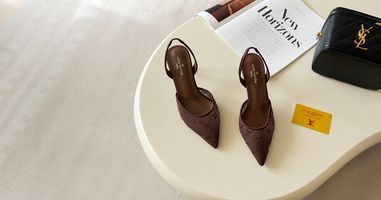
A closer comparison of louis vuitton women shoes becomes more useful after the broad footwear category is already clear.The next step is not to reopen sneakers,loafers,ballerinas,pumps,and boots at once,but to identify which models inside each direction create a real purchasing tradeoff.


Once the category is settled,model differences matter more.A loafer may separate through hardware or upper coverage,a ballerina through the instep line,a pump through heel and upper architecture,and an ankle boot through shaft visibility and sole volume.


1.A Category Can Be Clear While the Model Decision Is Still Weak


Knowing that the next pair should be a loafer,ballerina,pump,or ankle boot does not finish the choice.


Use a Model-Stage Test:


If the footwear category stayed fixed,which remaining differences could still change the purchase?


For loafers:


• vamp coverage


• hardware visibility


• sole presence


• toe treatment


For ballerinas:


• instep exposure


• strap placement


• toe profile


• edge around the foot


For pumps:


• heel structure


• upper coverage


• slingback or closed-back construction


• dress level


For boots:


• shaft height


• ankle opening


• sole volume


• trouser-hem interaction


The strongest model pairing starts after the category question is settled.


2.Do Not Let Every Attractive Model Enter the Final Comparison


A model should not stay simply because it is newer,more decorative,or more recognizable.


Use a Same-Job Check.


Ask:


Would these two pairs realistically be chosen for the same outfit,the same part of the week,and the same buying purpose?


If not,they may belong in separate decisions.


Two shoes can both be appealing while solving different wardrobe problems.The final pairing works better when every candidate competes for the same position.


3.Use the Current Collection to Confirm the Model Pool


The available louis vuitton women shoes can help confirm which models actually occupy the category already chosen.


If the target is a loafer,compare loafers first.


If the target is a ballerina,stay focused on flat styles competing for the same wardrobe space.


The same applies to pumps and ankle boots.


At this stage,the category page should confirm the model pool rather than restart the entire footwear search.


4.Loafers Need More Than a “Polished” Label


Calling two loafers polished does not explain why one should win.


Use a Polish-Source Test.


Ask where the polished effect comes from:


• upper structure


• hardware


• leather surface


• toe treatment


• sole edge


• visibility below trousers


Two loafers may reach a similar dress level through different visual routes.


One may stay quieter under straight trousers while another relies more on hardware or a firmer upper.


That distinction can matter more than the broad “polished loafer” label.


5.High Heels Need Their Own Model Filter


Pump comparisons across women's louis vuitton shoes should start with heel architecture rather than heel height alone.


Use a Heel-Architecture Check.


Separate:


• slingback vs closed-back


• lower vs higher vamp


• pointed vs softer toe treatment


• slimmer vs more architectural heel


• daytime-polished vs event-led

appearance


Ask:


Are these two pumps competing because of heel height,or because the entire upper-and-heel structure creates a different result?


Two heels at similar heights can still behave very differently with trousers,dresses,and longer wear windows.


6.Ivy and Academy Become Useful Only After the Loafer Direction Is Settled


Once the purchase has clearly moved toward a polished loafer,Ivy and Academy become a meaningful head-to-head.


The Ivy vs Academy loafer comparison should focus on:


• vamp coverage


• hardware emphasis


• sole presence


• toe treatment


• straight-trouser balance


• denim compatibility


At that stage,the question is no longer whether a loafer is the right category.


It becomes which version creates fewer compromises in the clothing already worn.


7.Ballerinas Need an Instep Decision Before a Styling Decision


A ballerina comparison should begin with the line across the foot.


Use an Instep-Structure Test.


Look at:


• continuous foot line


• visible strap interruption


• instep exposure


• toe shape


• edge around the foot


• position below cropped hems


A strap can change the visual rhythm before color or material enters the choice.


That becomes especially visible with cropped trousers,skirts,dresses,and socks or tights.


The question is whether the foot line should stay continuous or become more defined.


8.Pumps Should Be Compared by Repeated Dress Demand,Not Heel Height First


Different louis vuitton pumps can reach a similar dress level through very different uppers,heel structures,and degrees of foot exposure.


Use a Repeated-Dress-Demand Test.


Ask how often the week includes:


• polished office dressing


• dinner plans


• formal events


• longer indoor standing


• short destination-based wear


• work-to-evening transitions


A high heel suited to a rare event may add less than another pump architecture that fits repeated dress needs.The reverse can apply when formal evenings occur regularly.


Start with repeated demand,then examine the heel.


9.Romy and Bella Should Compete on the Line Across the Foot


Romy and Bella become useful competitors when the purchase has narrowed to a flat,low-profile direction.


The Romy vs Bella ballerina comparison should test:


• continuous foot line


• strap interruption


• trouser hems


• skirts


• dresses


• socks or tights


• instep emphasis


A Mary Jane structure creates a clearer horizontal break,while a more continuous ballerina line may keep the shoe visually quieter.


That does not decide the winner.It defines the tradeoff that matters.


10.Boots Should Be Narrowed by What the Hem Actually Reveals


Product images can exaggerate differences that disappear once trousers cover part of the boot.


Use a Visible-Shaft Test.


Compare:


• full-length straight trousers


• wider trousers


• cropped jeans


• midi skirts


• tights


Ask:


Which part of the boot remains visible in the outfits actually worn?


The answer may be the toe,sole edge,lower shaft,ankle opening,or most of the boot.


A taller or heavier boot matters only when the clothing allows that presence to remain visible.


11.One High-Heel Model Should Not Represent the Entire Pump Category


One successful pump does not settle every high-heel choice.


Different louis vuitton heels for women can create similar dress levels through different combinations of:


• heel height


• heel shape


• slingback structure


• vamp coverage


• toe treatment


• foot exposure


A comparison between two heights of the same model answers only one question.


A later model pairing should ask whether the entire shoe changes the role it can play.


A closed-back pump and a slingback,for example,may compete for the same office or dinner slot while creating different fit demands and visual lines.


12.Star Trail and Beaubourg Become a Hem-and-Volume Decision


Once the purchase has narrowed to an ankle boot,the remaining choice becomes more specific.


Star Trail and Beaubourg should be judged through:


• shaft visibility


• ankle opening


• sole mass


• trouser break


• cropped hems


• skirt balance


• side-view structure


One pair may create stronger boot presence while another sits more quietly beneath clothing.


The result can reverse when trouser width changes,so the final decision should use real hems rather than isolated product views.


3.Use the Boot Comparison Only After Seasonality Stops Being the Main Question


Seasonality is too broad to decide between two ankle boots.


Once both candidates already fit the climate and seasonal wardrobe,the remaining question becomes how each interacts with the clothes worn around it.


The Star Trail vs Beaubourg ankle boot comparison should focus on:


• visible shaft


• sole volume


• trouser width


• cropped hems


• skirt proportions


• stronger vs quieter boot presence


At that stage,the question is no longer which boot works for fall or winter.

It becomes:


Which boot creates the better proportion in the wardrobe already being used?


14.The Final Model Pair Should Expose One Clear Tradeoff


The final two models should be close enough to compete but different enough that choosing one means accepting a real tradeoff.


For loafers:


quieter polish vs stronger hardware or structure


For ballerinas:


continuous foot line vs strap-defined line


For pumps:


heel-and-upper architecture vs repeated dress demand


For boots:


shaft and sole presence vs hem compatibility


That is where louis vuitton women shoes become easier to compare without turning the whole collection into one ranking.


If the tradeoff cannot be explained clearly,the model pool is probably still too broad.


FAQ

Should loafers be compared only with other loafers?


Usually,yes,once the purchase has narrowed to a loafer.Cross-category comparisons make sense only when another shoe type genuinely competes for the same wardrobe position.


Does a higher heel automatically make a pump more formal?


No.Heel height matters,but toe treatment,vamp coverage,heel structure,and foot exposure can also change the dress level.


Are Mary Jane ballerinas harder to style than classic flats?


Not automatically.The strap changes the line across the foot,so the result depends on trouser length,skirts,dresses,and how much instep definition works with the outfit.


Should ankle boots be chosen before checking trouser length?


No.Trouser length can hide or expose the shaft,change visible sole volume,and alter the overall proportion enough to reverse the better choice.