
James Anderson | 14 days ago

How Should Hermès Shoes Fit?Sneakers,Sandals,Loafers,and Heels Explained

Hermès shoes should feel secure at the heel,unrestricted across the forefoot,and suited to the construction of the specific shoe type.Sneakers need controlled heel movement,sandals need the foot to stay within the sole,loafers depend heavily on instep contact,and pointed flats or heels need usable forefoot space without excessive sliding.


Fit cannot be judged from the size number alone.This guide focuses on foot position,shoe construction,and observable fit signals rather than assuming every style should feel the same.


1.The Same Size Number Can Fit Differently Across Shoe Types


A size label tells you where to start.It does not tell you how every shoe should hold the foot.


Sneakers,sandals,loafers,ballet flats,pumps,and lace-up shoes secure the foot in different ways.


A sneaker uses laces,heel structure,and the upper to manage movement.A loafer depends more heavily on the relationship between vamp,instep,and heel.A sandal leaves more of the foot exposed,so placement on the sole becomes easier to assess.


A pointed flat or pump can appear long at the front while still restricting the widest part of the forefoot.


Across hermès shoes,the better question is not simply:


Is this my normal size?


Ask instead:


Is this construction holding my foot where it was designed to hold it?


2.Start With Heel Security


Heel movement is one of the fastest ways to identify a fit problem,but the acceptable amount depends on the shoe.


In a sneaker,the heel should stay controlled through a normal stride.A small amount of movement is different from noticeable lifting with every step.


A loafer needs enough instep contact to prevent repeated heel escape.A ballet flat may sit lower around the heel,but the foot should not rely on toe gripping to keep the shoe in place.


With pumps,the heel needs sufficient security without forcing the front of the foot into excessive pressure.


For a more focused breakdown of pointed toes,heel slip,and sandal placement,the women's shoe fit guide explains how these problems can come from size,foot position,or the shoe's construction.


Do not automatically size down to solve heel movement.A smaller size may reduce slipping while creating a new problem at the forefoot.

Heel security has to be judged together with front width and overall foot position.


3.Forefoot Space Matters More Than Empty Toe Length


Many people check fit by pressing the front of the shoe and asking whether the toes touch the end.


That is only part of the answer.


The widest part of the foot should sit near the area designed to accommodate width.


Watch for:


•The ball of the foot sitting too far forward


•The forefoot being pushed inward from both sides


•Toes being forced to overlap or curl


•Pressure appearing early


•The foot sliding forward because the rear is too loose


This becomes especially important with pointed flats,pumps,and other refined shapes,where visible length ahead of the toes can hide earlier narrowing around the forefoot.


Extra space at the tip does not automatically mean the shoe is too large.The real question is whether the foot sits correctly before the toe box begins to taper.


4.Sneakers Need Controlled Movement,Not a Locked Foot


Sneakers need enough security to prevent unnecessary sliding while allowing the forefoot and toes to move normally through a stride.


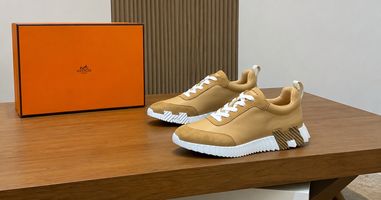
When checking hermès men shoes,look at:


•Heel hold


•Lace adjustment


•Forefoot width


•Where the sole flexes


•Whether the foot shifts sideways during turns


•Whether the toes slide forward on slopes or stairs


Tighter laces can correct some movement,but they should not compensate for a shoe that is fundamentally too wide or too long.


Likewise,the sneaker should not require excessive tension across the instep just to stop heel lift.


A good fit spreads support across the shoe rather than relying on one area to do all the work.


If you want to compare more men's shoe styles,different constructions can provide different approaches to heel hold,adjustment,and foot coverage.


5.Sandals Need the Foot to Sit Inside the Sole


Sandals make several fit problems easier to see because much of the foot remains exposed.


From above and from the side,check where the foot sits relative to the platform.


The toes should not project clearly beyond the front edge.The heel should stay within the rear boundary,and the widest parts of the foot should not spill substantially beyond the sides.


The upper should secure the foot without pushing it into an unnatural position.

A sandal can technically go onto the foot and still fit poorly.


The better standard is:


Does the foot stay centered inside the area the sole was designed to support?


Visual placement can reveal information that a size label cannot.


6.Loafers Depend Heavily on Instep Contact


Loafers remove the lace adjustment that sneakers and derbies provide,so the relationship between vamp and instep becomes more important.


Too little contact can allow:


•Repeated heel lift


•Forward sliding


•Instability during faster walking


Too much pressure can create:


•Discomfort across the instep


•Concentrated pressure beneath the vamp


•A foot position that feels forced


Do not aim for a loafer that feels completely immovable.


The foot should stay secure without requiring the toes to grip the inside of the shoe.If every step makes you curl your toes to keep the loafer on,the problem is unlikely to disappear through break-in.


7.Pointed Shoes Need Space in the Right Place


A pointed shoe can be misleading because its overall length may exceed the length of the foot.


The usable toe area is not equally long because the front begins tapering before the visible tip ends.


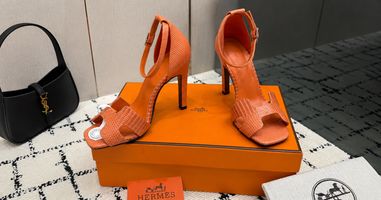
Among hermès women shoes,pointed flats,slingbacks,and pumps should be judged by usable forefoot space rather than apparent toe length.


Check:


•Where the forefoot meets the narrowing part of the shoe


•Whether the little toe is pushed inward


•Whether the big-toe joint sits against the sidewall


•Whether the toes stay reasonably flat


•Whether the heel remains secure without forcing the foot forward


A pointed profile can have empty space at the front and still be too restrictive across the forefoot.


Fit should follow usable interior space,not external toe length.


If you want to explore different women's shoe styles,comparing construction types can help identify which shapes match the way your foot needs to be held.


8.Do Not Use Break-In to Excuse a Structurally Wrong Fit


Some materials can change somewhat with wear.


That does not mean every fit problem should be dismissed as something that will disappear later.


Break-in should not justify:


•Compressed toes


•Strong instep pressure


•A heel sitting outside a sandal sole


•Repeated forward sliding


•Dramatic heel lift


•A forefoot already forced inward


A shoe may become more familiar or slightly more flexible with use,but the basic relationship between foot and construction should already make sense.


Break-in can change feel.It should not be expected to correct a structurally wrong fit.


9.Socks and Hosiery Can Change the Answer


The same shoe can fit differently with different layers around the foot.


A sneaker worn with a thicker athletic sock may need more internal space than the same shoe worn with a thin sock.


A loafer may be used with:


•No-show socks


•Thin dress socks


•Hosiery


•Bare feet


Boots may need to accommodate a thicker sock,while flats and pumps may be worn barefoot or with very thin hosiery.


When evaluating hermès shoes,fit should be checked with something close to the sock or hosiery thickness that will actually be used.


Otherwise,a shoe can appear correct during fitting but become unexpectedly tight or loose in regular wear.


10.Check Fit Under Conditions That Resemble Real Wear


Feet do not always stay exactly the same throughout the day.


Activity,heat,and time on foot can change how a shoe feels compared with the first few minutes of wear.


There is no single perfect hour when everyone should try shoes.The fit check should simply resemble the way the footwear will actually be used.


A pair intended for longer days deserves more than a brief standing check.


Walk.


Turn.


Use stairs if possible.


Notice whether the heel shifts,whether forefoot pressure increases,and whether the toes begin gripping the shoe as movement continues.


A fit that works only while standing still may not work once the foot is moving.


11.Product Images Can Narrow the Fit Questions,Not Answer Them


Product views can reveal useful construction information before the shoe is tried.


They can help identify:


•Pointed or rounded toe shape


•Open or closed heel construction


•How much of the instep is covered


•Whether the upper is adjustable


•The height of the opening around the foot


•The general sole profile


Those observations help identify what should be checked during fitting.


They cannot reliably establish:


•Exact width for your foot


•Whether your heel will slip


•How pressure changes after several hours


•Whether a pointed front suits your forefoot


•Which size will work for every person


Images are useful for pre-screening.The foot provides the final evidence.


12.Use Three Fit Signals Before Deciding


Reduce the decision to three areas.


Heel


Does the rear of the foot stay controlled during a normal stride?


Forefoot


Does the widest part of the foot have enough usable space without obvious compression?


Foot Position


Is the foot sitting where the shoe was designed to hold it rather than sliding forward,spilling beyond the sole,or being forced backward?


If two of these three signals are clearly wrong,the size number should not rescue the decision.


The shoe may be the wrong size.


It may also be the wrong construction for that foot.


Those are different problems.


13.Repeated Fit Problems Can Mean the Construction Is Wrong for Your Foot


Moving half a size up or down is not always the solution.


A loafer may repeatedly feel loose at the heel but tight across the forefoot.A pointed flat may gain enough front width only when the heel becomes unstable.A sandal may fit the upper but place the foot too close to the sole edge.


These patterns suggest that the issue may come from the relationship between the foot and the shoe construction rather than one incorrect size.


The heel slip,instep pressure,and toe room guide goes further into how these three fit signals can reveal whether the real issue is size,adjustment,or the shape of the shoe.


Repeated size changes can create a cycle:


Solve one pressure point → create another.


At that stage,the better question is not:


Which size should I try next?


It is:


Does this shoe shape suit the way my foot needs to be held?


14.The Right Fit Should Feel Secure Without Being Forced


Different shoe types need different fit signals.

Sneakers need controlled heel movement,natural forefoot space,and enough adjustment to secure the foot without excessive lace pressure.


Sandals need the foot centered within the sole while the upper keeps it in position without forcing it sideways or forward.


Loafers depend on enough instep contact to stabilize the foot without strong vamp pressure.


Pointed flats and heels need usable forefoot room even when the external toe extends beyond the actual toes.


The right hermès shoes are not simply the pair carrying the most familiar size number.


They are the pair whose construction holds the foot where that design was intended to control it,without requiring pressure,sliding,or compensation elsewhere.

James Anderson

James Anderson is a luxury footwear writer specializing in designer shoes,fashion craftsmanship,and timeless style.He explores the materials,construction,heritage,and design philosophy behind iconic footwear brands,providing practical insights into choosing and styling luxury shoes for different occasions.His guides help readers understand the details behind premium footwear and how these pieces fit into modern wardrobes.

Related Posts

Hermès Women Shoes Fit Toes,Heel Slip,and Sandal Placement ExplainedHermès Women Shoes Fit Toes,Heel Slip,and Sandal Placement Explained
Hermès Women Shoes Fit Toes,Heel Slip,and Sandal Placement Explained

Hermès women shoes should be judged by where the foot sits inside each construction,not by visible toe length alone.Pointed shoes need usable forefoot width,ballet flats need heel security without toe gripping,sandals need the foot centered within the sole,and pumps need enough front space to avoid repeated pressure as the foot moves forward.


When one area feels wrong,check whether changing size improves the entire foot or simply shifts the problem elsewhere.


1.Four Women's Fit Problems Need Different Answers


Different constructions can fail in different places.


A pointed flat can have visible space at the tip while pressing across the forefoot.A ballet flat can feel correct through the front but lift at the heel.A pump can have enough overall length while allowing the foot to move forward.A sandal can sit beneath the upper while placing the toes or heel too close to the sole edge.


These problems should not all lead to the same response:


Size up.


or


Size down.


First identify where the fit stops working.Then ask whether the cause is overall size,internal shape,heel volume,forefoot width,or the way the shoe holds the foot.


2.Pointed Toe Length Can Be Misleading


A pointed shoe often extends beyond the actual toes.


That extra visual length does not mean the entire front is usable space.The toe box may begin narrowing well before the visible tip ends.


This can create a confusing combination:


•Empty space at the front


•Pressure around the little toe


•The big-toe joint pressing against the sidewall


•A compressed forefoot despite adequate overall length


Pressing the end of the shoe and finding empty space does not answer the fit question.


A better check is whether the widest part of the foot sits comfortably before the toe box begins to taper.


3.Check Where the Toe Box Begins to Narrow


The critical area of a pointed shoe is not the tip.


It is the transition where the front begins moving inward.


Among hermès women shoes,pointed flats,slingbacks,and pumps should be evaluated by usable forefoot area rather than external toe length.


Check:


•Whether the ball of the foot sits before the narrowing becomes aggressive


•Whether the little toe is pushed inward


•Whether the big-toe joint meets the sidewall too early


•Whether the toes stay reasonably flat


•Whether walking pushes the forefoot farther into the tapered section


A pointed shoe can have considerable visible length and still provide too little usable width.


The functional front of the shoe ends before the visible point does.


4.Ballet Flats Should Not Stay On Because Your Toes Grip Them


Ballet flats can expose a fit problem that is easy to miss.


If the heel lifts,the wearer may begin curling the toes to keep the shoe attached during each step.That compensation can make the shoe seem more stable than it really is.


Watch for:


•Heel lift increasing during walking


•Toes gripping the insole


•The foot moving forward before the heel rises


•Sizing down improving rear security but compressing the forefoot


A low-cut upper does not mean the shoe should feel locked around the ankle.But it should stay on without requiring the toes to perform the job of a strap or lace.


If securing the heel requires a smaller size that crowds the front,the problem may not be length alone.


5.Heel Slip Can Come From More Than Extra Length


Heel slip is often interpreted as proof that a shoe is too large.


That is only one possibility.


The cause may also involve:


•A heel opening that does not match the rear foot


•Too much internal volume around the midfoot


•A forefoot that prevents the foot from sitting farther back


•A low-cut design with less material around the heel


If the heel lifts while the forefoot already feels secure,automatically sizing down can create unnecessary front pressure.


If the heel becomes stable only after the toes start gripping,the fit has not genuinely improved.


Rear security should improve without forcing another part of the foot to compensate.


6.A Pump Can Fit in Length and Still Push the Foot Forward


A pump can have enough visible length and still place the foot poorly once movement begins.


With hermès women heels,the key question is whether the foot stays where the shoe was designed to hold it.


Forward movement can create two problems at once:


•Increasing forefoot pressure


•A growing gap around the heel


Check whether:


•The ball of the foot shifts forward after several steps


•Toe pressure increases during walking


•The heel becomes less stable as the foot moves


•Sizing down reduces movement but creates greater compression


A shorter size is not necessarily the answer if the real problem is forward migration inside the shoe.


7.Slingbacks Need Strap Security Without Forcing the Foot Forward


A slingback adds another variable tension.


The strap needs enough security to stay in place,but it should not pull the rear of the foot so firmly that the forefoot is pushed deeper into the shoe.


Check:


•Whether the strap stays in position


•Whether it slips downward during walking


•Whether tightening changes pressure at the front


•Whether the heel remains aligned


•Whether the shoe stays stable through turns


A loose strap may fail to control the heel.A strap that is too tight can solve that issue by creating another farther forward.


The correct adjustment should stabilize the shoe without relocating the foot.


8.Sandals Need the Whole Foot Inside the Platform


Open sandals should be judged by placement on the sole rather than closed-shoe toe-room rules.


Look from above and from the side.


Check:


•Whether the toes stay inside the front edge


•Whether the heel stays within the rear boundary


•Whether the widest part of the forefoot sits inside the side edges


•Whether the upper keeps the foot centered


•Whether walking causes the foot to shift forward or sideways


A sandal can fit beneath the straps yet still place the foot poorly on the platform.


The more useful question is:


Does the foot stay inside the area the sole was designed to support?


9.One Size Change Can Fix the Wrong Problem


A size change should improve the whole fit,not merely the most noticeable pressure point.


A ballet flat may stop slipping after sizing down,but if the forefoot becomes compressed,the smaller size has not solved the fit.


A pointed flat may gain width after sizing up,but if the heel starts lifting with every step,the larger size has introduced another problem.


A sandal may feel less tight across the upper after sizing up while placing the foot too close to the sole edges.


When comparing hermès women shoes,look for a size and construction that improve heel security,forefoot space,and overall foot placement together.


A correction only works when the rest of the foot improves with it.


10.Walking Reveals What Standing Can Hide


Standing provides a starting position.Movement shows whether the shoe can maintain it.


Walk normally and watch for changes:


•Does the heel gap increase?


•Does the foot move forward?


•Do the toes begin gripping?


•Does a slingback strap shift?


•Does a sandal move toward one edge?


Then turn.


Changes in direction can expose lateral movement that standing will not show.


Use stairs if available.Descending can reveal forward movement that stays hidden on level ground.


A shoe that looks correctly positioned while standing may behave differently once the foot begins moving.


11.Barefoot Wear,Hosiery,and Liners Change Internal Volume


The layer between foot and shoe can alter fit more than expected.


For hermès shoes for women,a ballet flat,pump,loafer,or slingback may be worn:


•Barefoot


•With thin hosiery


•With tights


•With a no-show liner


These choices can change:


•Heel friction


•How easily the foot moves forward


•Internal volume


•Vamp pressure


•How stable the rear feels


A shoe tested barefoot may feel different when worn later with hosiery.Likewise,a liner can occupy enough space to change forefoot pressure or heel security.


Fit should be checked as close as possible to the way the shoe will actually be worn.


12.Online Size Advice Is a Starting Point,Not a Foot-Shape Diagnosis


Published sizing guidance can narrow the starting range.


Product information can also reveal:


•Toe shape


•Heel construction


•Upper coverage


•Whether a strap is adjustable


•How open the shoe is around the foot


•The general sole form


Those facts help identify what deserves attention during fitting.


They cannot determine:


•Your forefoot width


•Your heel volume


•Your instep height


•Whether your foot will move forward


•Whether pressure increases after longer wear


•Whether a particular pointed shape suits your foot


Online sizing guidance can suggest where to begin.It cannot replace evidence from the individual foot inside the shoe.


13.The Right Size Should Keep the Foot in the Right Place


The final decision should not be based on the first pressure point you notice.


Look for a whole-foot result.


The forefoot should have usable room without being pushed into the narrowest part of the shoe.


The heel should stay sufficiently stable without relying on toe gripping.


A pump should not repeatedly move the foot forward.


A slingback should hold without using strap tension to create front pressure.


A sandal should keep the foot inside the platform rather than merely beneath the upper.


If changing size improves one area but consistently makes another worse,the issue may be shoe shape rather than the size number.


The right size is not the one that fixes the first problem.It is the one that keeps the foot where the construction was designed to hold it without creating a new problem somewhere else.
Hermès Men Shoes Fit Slip,Instep Pressure,and Toe Room ExplainedHermès Men Shoes Fit Slip,Instep Pressure,and Toe Room Explained
Hermès Men Shoes Fit Slip,Instep Pressure,and Toe Room Explained

Hermès men shoes should not be judged by empty toe length alone.Heel slip matters when it changes your stride,instep pressure becomes a concern when compression is needed to keep the shoe secure,and toe room should be judged around the widest part of the forefoot.The first step is identifying whether the issue comes from size,adjustment,or shoe shape.


A fit issue should be located before it is corrected.Moving half a size up or down can improve one area while making another worse.


1.Three Fit Problems Can Look Like One Size Problem


Heel slip,instep pressure,and forefoot compression can all produce the same reaction:


The size must be wrong.


That is sometimes true,but not always.


A shoe can feel loose at the heel while already pressing against the forefoot.Another can have enough toe length but place the widest part of the foot too far forward.A loafer may stay on only because the vamp presses heavily against the instep.


Before changing size,ask:


•Where does the foot move?


•Where does pressure appear?


•Does adjustment improve the issue?


•Does fixing one area create another?


Locate the fit problem before trying to correct it.


2.Heel Slip Is Not Automatically a Reason to Size Down


A small amount of heel movement does not automatically mean the shoe is too large.


Pay attention when:


•The heel rises noticeably with every step


•The foot slides forward as the heel lifts


•The toes begin gripping to keep the shoe on


•Turning makes the rear unstable


•Reasonable adjustment does not help


Sizing down may reduce heel lift,but it can also compress the forefoot or shift where the shoe bends.


If the front already feels secure or slightly tight,a smaller size may simply exchange one issue for another.


Heel movement should therefore be judged together with forefoot space and overall foot position.


3.Use the Lace Response to Diagnose Sneakers


Sneakers provide an adjustment tool that loafers and many sandals do not laces.


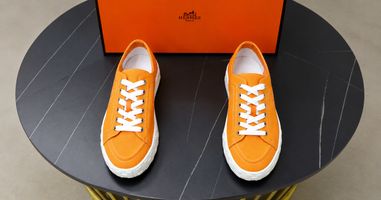
When checking hermès men sneakers,tighten them to a normal secure level and walk again.


If the heel becomes more stable without creating pressure elsewhere,the issue may have been adjustment rather than size.


If the heel only stays secure when the laces are pulled unusually tight,the internal volume may not match the foot well.


If tighter lacing improves the rear but creates strong instep pressure,the issue has simply moved.


Also watch for sideways shifting during turns or forward sliding on stairs.


The goal is steady control without forcing one small area of the upper to secure the entire foot.


4.Instep Pressure Matters More in Loafers


Loafers rely heavily on the relationship between vamp and instep because there are no laces to fine-tune the hold.


Too little contact can allow:


•Heel lift


•Forward sliding


•Toe gripping


•Instability during faster walking


Too much contact can create:


•Pressure across the instep


•A trapped feeling beneath the vamp


•Forefoot discomfort


The difficult case is a loafer that feels tight across the instep but loose at the heel.


Sizing up may relieve the top of the foot while increasing heel movement.Sizing down may improve rear security while making the vamp tighter.


That pattern can point to a mismatch in shoe shape rather than a straightforward size error.


5.Toe Room Should Be Judged at the Forefoot,Not the Tip


Empty space in front of the toes does not tell the full story.


The more important question is where the widest part of the foot sits relative to the widest usable area of the shoe.


Check:


•Whether the ball of the foot sits too far forward


•Whether the little toe is pushed inward


•Whether the big-toe joint presses against the side


•Whether the toes remain reasonably flat


•Whether the foot slides forward during movement


A shoe can have visible room at the front and still be too tight around the forefoot.


Empty toe space is not the same as usable forefoot space.


6.A Shoe Can Be Too Long and Too Tight at the Same Time


This sounds contradictory,but it is a useful pattern to recognize.


Imagine a shoe with:


•Space ahead of the toes


•Heel movement


•Pressure across the forefoot


The shoe may already be too long,yet still feel tight where the foot needs width.


Sizing down can reduce heel movement while increasing compression.Sizing up may add length without correcting where the shoe narrows.


When length and width problems move in opposite directions,the issue may be the shoe shape rather than the size number.


7.Sandals Need Edge Placement Rather Than Closed-Shoe Toe Rules


Open sandals require a different diagnosis.


Instead of focusing on empty space ahead of the toes,look at where the whole foot sits on the sole.


Check:


•Whether the toes stay inside the front edge


•Whether the heel stays within the rear boundary


•Whether the widest part of the foot spills beyond the sides


•Whether the upper secures the foot without excessive pressure


•Whether the foot shifts forward while walking


For hermès men's sandals,a size can look plausible from the upper while still placing the foot poorly on the platform.


The sandal should not merely fit beneath the straps.The foot should sit where the sole was designed to support it.


8.Walking Reveals Problems That Standing Can Hide


Standing shows where the foot begins.Movement shows whether it stays there.


Use a short sequence:


Walk straight.


Notice heel lift and forward sliding.


Turn.


Check whether the foot shifts sideways or the shoe twists around it.


Use stairs if possible.


Watch whether the toes move forward on descent or the heel becomes less secure.

A shoe that feels correct while standing can become unstable once the stride begins.


Movement is especially revealing when the fit feels almost right.


9.Do Not Let One Pressure Point Decide the Size


One uncomfortable area can dominate attention,but changing size in the direction that immediately relieves it is not automatically correct.


If the instep feels tight and you size up,check:


•Did heel movement increase?


•Did the foot begin sliding forward?


•Did the flex point shift?


•Does the shoe now rely on toe gripping?


The same logic applies in reverse.Sizing down to reduce heel slip is not useful if the forefoot becomes compressed.


Judge three areas together:


heel + forefoot + instep


If improving one consistently makes the others worse,the issue may lie in the shoe shape rather than the size.


10.When the Construction Is the Real Problem


Some fit patterns keep returning across nearby sizes.


A sneaker may remain loose at the heel unless the laces are pulled excessively tight.


A loafer may press across the instep in one size but slip badly at the heel in the next.

A derby may have enough length while the ball of the foot sits away from the main flex area.


A sandal may hold the upper securely while the foot still sits too close to one edge.


At that stage,it makes sense to compare other Hermès men shoes with different internal volumes,closures,upper shapes,and sole forms rather than forcing the same construction through repeated size changes.


Sometimes the shoe itself is the variable that needs to change.


11.Online Product Information Is a Starting Point,Not the Final Fit


Online product information can help identify what needs to be checked later.


Useful information includes:


•Closure type


•Adjustability


•Toe shape


•Upper material


•Sole form


•Instep coverage


•Any model-specific sizing guidance


Those facts can suggest where a fit issue may appear.


They cannot establish:


•Your exact heel volume


•Your instep height


•How your forefoot matches the internal width


•Whether pressure increases after walking


•Which size works for every foot


Published guidance gives you a starting direction.Actual fit signals determine whether that direction works.


12.The Better Size Should Solve the Whole Foot


Do not judge the final size by asking only where the shoe feels wrong.


Ask what happens everywhere else when that area is corrected.


If sizing down improves heel security but compresses the forefoot,the smaller size has not solved the fit.


If sizing up relieves instep pressure but creates repeated heel lift,the larger size has not solved it either.


If tighter lacing secures the heel only by creating excessive pressure across the top of the foot,adjustment has not solved the mismatch.


The right size should improve heel security,forefoot space,and overall foot position together.


For hermès men shoes,that whole-foot result matters more than forcing the foot into the most familiar number.


If solving one area consistently creates another issue,the shoe shape may be the problem rather than the size itself.