
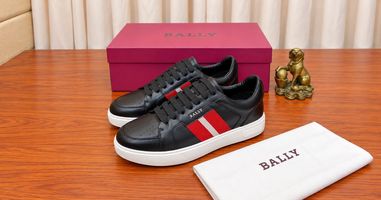
Bally Sneakers:How to Choose the Right Pair for Everyday Wear
1.Quick Answer
Bally sneakers are easiest to choose by first deciding how understated or athletic the shoe should feel,then checking upper complexity,sole proportion,and fit.A cleaner sneaker usually works across more trousers,while a stronger sport influence makes sense when the clothing around it can support extra material contrast and a more substantial base.
That distinction matters more than starting with color or branding.
A useful everyday pair should look convincing from several angles,sit well beneath the trousers already in regular use,and avoid construction features that add bulk without serving a clear purpose.
2.Start With the Overall Sneaker Character
Before comparing materials,decide what the shoe should contribute to an outfit.
Some sneakers stay restrained.They rely on simpler uppers,fewer contrasting panels,and a base that does not compete heavily with the rest of the look.
Others lean further into athletic styling through layered materials,larger sole sections,or sharper contrast between the upper and base.
Neither approach is automatically more versatile.
A cleaner sneaker usually leaves more room for different clothing.A more expressive one can bring stronger character,but it also asks for greater compatibility from the pieces around it.
That makes overall character a better first filter than color.
3.Cleaner or More Sport-Driven?
Cleaner sneakers generally sit more easily beneath chinos,straight denim,and simple trousers because fewer elements compete around the ankle and hem.
More athletic bally sneakers for men can work better when denim,technical trousers,casual jackets,or sport-influenced clothing already make up a large part of the weekly rotation.
The useful question is not which direction feels more current.It is which one makes sense beside the clothes that appear repeatedly.
Someone moving between chinos and denim may benefit from a restrained sneaker.Someone whose clothing already carries more volume and texture can support a stronger shoe more easily.
If trouser compatibility is the deciding factor,the sneakers with jeans,chinos,and trousers comparison goes deeper into that choice.
4.Upper Complexity Changes the Result
Two sneakers can use similar materials and still look very different because of how much is happening across the upper.
A simpler upper is easier to read.The eye sees one dominant surface,one lace area,and fewer interruptions.
Layered constructions behave differently.Overlays,contrast panels,mesh sections,and multiple textures create more activity before the sole even enters the comparison.
That can work well beneath denim or wider casual trousers,but it may feel crowded under cleaner chinos.
Material labels therefore tell only part of the story.
Leather does not automatically mean understated.Fabric does not automatically mean athletic.What matters is how those materials are arranged across the shoe.
5.Read the Sole as Part of the Design
The base can change the entire impression of a sneaker.
A restrained sole keeps more attention on the upper and usually integrates more easily beneath cleaner trousers.A deeper or more sculpted base gives the shoe greater presence from the side and rear.
Here,the issue is proportion rather than comfort.
Look at how far the sole extends beyond the upper,how much rubber remains visible from the side,and whether the heel appears heavier than the forefoot.
A sneaker can have a simple upper yet still feel substantial because of the base.Another can carry more surface detail and remain balanced because the sole stays compact.
6.Compare Only the Relevant Part of the Category
Once the preferred overall direction is clear,the wider bally sneakers selection becomes much easier to filter.
Start by removing shoes that conflict with the clothes already doing most of the work rather than comparing every option at once.
A restrained rotation does not need six highly athletic candidates.A denim-heavy one may gain little from focusing only on minimal leather designs.
The goal here is not to name a winner.It is to reduce the category to a smaller group that shares the right visual and structural character.
That makes the next comparison more useful because the remaining differences are meaningful rather than cosmetic.
7.Trouser Openings Reveal More Than Product Photos
Product images rarely show the exact relationship between a sneaker and the trousers that will sit above it.
A narrow opening exposes more of the sole and makes side volume easier to notice.Straight denim gives the shoe more room,so layered uppers and larger bases tend to settle in more comfortably.
Chinos sit somewhere between the two.The cleaner the trouser,the more noticeable every sneaker element becomes.
This is why a shoe can look balanced on its own yet feel too busy once worn beneath a simple pair of trousers.
One practical test is enough:picture the sneaker under the three trouser silhouettes worn most frequently.If it only looks convincing beneath one,the buying case becomes weaker.
8.Fit Can Change the Shortlist
The phrase bally sneakers mens may group very different shoes under one search,but those options should not be expected to fit alike.
A structured leather upper can hold the foot differently from a softer mixed-material construction.A padded tongue may increase pressure over the instep,while a more built-up heel can alter rear hold even when the labeled size remains the same.
Visual similarity is therefore a poor shortcut for fit.
Check where the upper bends,how securely the heel stays during a normal stride,and whether the forefoot has usable room rather than merely appearing wide from the outside.
If two options work equally well with the clothing,fit becomes the more useful separator.
9.Make Sure the Upper and Sole Belong Together
Some sneakers feel resolved because the upper and sole communicate the same idea.
A simple upper paired with a restrained base usually reads as one complete shoe.A layered athletic upper combined with a stronger sole can do the same.
Problems appear when one half pushes in a different direction from the other.
A minimal upper over an oversized athletic base may create more contrast than expected.A highly layered upper sitting on a very quiet sole can make the top half feel unnecessarily busy.
This is where an upper and sole construction guide becomes useful—not to repeat material definitions,but to judge whether both parts support the same overall intent.
10.Branding Should Come After Proportion
Brand recognition matters,but it should come after the shoe itself works.
A visible signature element can strengthen a sneaker that already suits the surrounding clothing.It cannot fix a base that feels too heavy beneath the trousers or an upper carrying more activity than the outfit can support.
A simple test helps.
Imagine the same sneaker without its most recognizable branding.If the construction still works,the shoe has a stronger foundation.If most of the appeal disappears,the purchase is being driven more by recognition than by the sneaker itself.
Both motivations can be valid,but they lead to different choices.
11.Turn a Broad Search Into a Useful Question
Bally shoes sneakers is broad wording.It does not reveal whether the real priority is a cleaner appearance,stronger athletic character,a different sole proportion,or easier trouser compatibility.
So reduce the decision.
Do you need less activity across the upper?
More presence beneath denim?
A smaller base for chinos?
More contrast between the sneaker and the rest of the outfit?
Once the need becomes specific,the category becomes easier to read.
At that point,the question is no longer simply which shoe looks best.It becomes which sneaker construction makes the most sense beside the clothes already worn most often.
12.When More Sport Influence Actually Helps
A more athletic sneaker works best when the added features support the surrounding clothing.
Layered uppers can make sense beneath denim,casual trousers,and outerwear that already carries texture or volume.A larger base can also work when the trouser opening gives the shoe enough room.
Sport influence becomes less useful when every added feature makes the sneaker harder to combine.
A mesh panel should not be treated as proof of better airflow.A thicker base should not be treated as proof of greater comfort.And a technical appearance does not establish technical performance.
Extra complexity should earn its place rather than simply make the shoe look busier.
13.Know When to Change Direction
Once one sneaker direction is already covered,the next purchase becomes easier to judge.
Someone who already owns a restrained leather sneaker may gain more from a stronger sole or a more athletic upper than from another near-identical pair.The reverse also applies:an existing substantial sport sneaker can make a cleaner option more useful next.
The purpose is not to build a large collection.It is to avoid duplication.
An everyday sneaker rotation works best when each pair opens a genuinely different part of the clothing mix.
That turns the next purchase into a change in capability rather than a minor variation of something already owned.
14.The Final Selection Test
The best bally sneakers should work as complete shoes rather than collections of separate features.
Before choosing,check four things:
• Does the overall appearance suit the clothing worn most frequently?
• Do the upper and sole communicate a similar level of sport or restraint?
• Does the sneaker work beneath more than one trouser silhouette?
• Does the fit remain convincing after the visual choice has been made?
If all four answers are clear,the decision is usually stronger than one based mainly on color,branding,or a single material.
The goal is not to find the sneaker carrying the most features.It is to choose the one whose proportions,construction,and clothing compatibility work together without unnecessary compromise.
Common Questions
Are cleaner sneakers more versatile?
Usually,yes,if the clothing includes chinos,straight trousers,and understated casual pieces.A more athletic sneaker can be equally useful when denim and relaxed clothing dominate.
Does leather automatically make a sneaker easier to style?
No.A leather upper can still include heavy layering,large branding elements,or a substantial sole.The complete shoe matters more than the material label.
Should sole size affect the buying decision?
Yes,especially when trouser openings are narrow or controlled.A larger base changes how much attention the sneaker receives below the hem.
Can two similar-looking sneakers fit differently?
Yes.Upper structure,padding,heel construction,and flex location can all change the internal feel even when the labeled size is the same.
James Anderson
James Anderson is a luxury footwear writer specializing in designer shoes,fashion craftsmanship,and timeless style.He explores the materials,construction,heritage,and design philosophy behind iconic footwear brands,providing practical insights into choosing and styling luxury shoes for different occasions.His guides help readers understand the details behind premium footwear and how these pieces fit into modern wardrobes.