
Hermes Day Sneakers: Is This a Practical Pair for Everyday Wear?
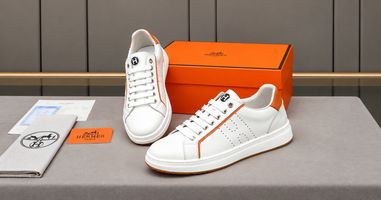
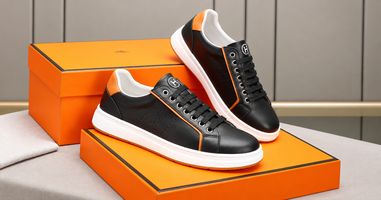
For someone who wants substantial leather footwear and a polished city-oriented profile rather than a light athletic feel, Hermes Day sneakers make a convincing everyday option. Calfskin and an approximately 1.2-inch sole create a firmer, more defined wearing experience than a slim low-profile sneaker.
That difference matters before deciding whether Day belongs in regular rotation. A better decision comes from considering how the upper sits on the foot, whether the sole profile suits your preferred proportions, how much structure you want from a leather sneaker, and how naturally the design fits the way you dress.
1. Start With the Kind of Sneaker You Want
Day sits closer to a refined leather city sneaker than a performance-driven model. It works best for someone who wants footwear that feels visually considered without becoming overly formal.
A substantial sole keeps the shoe noticeable, while smooth leather and distinctive hardware give the upper more definition than a plain lace-up construction.
Someone looking for very discreet footwear may prefer another direction. If a clearer design signature is part of the appeal, Day has a stronger case without needing bold colors or an overtly sporty finish.
2. Upper Structure Changes How Fit Should Be Judged
Foot volume deserves attention before size numbers take over the decision. Calfskin creates a firmer upper, while laces and hardware introduce several contact areas across the top of the foot.
Someone with a lower-volume foot may rely more on controlled lacing. A higher instep needs enough room across that section so pressure does not build as the foot flexes.
This is why choosing Hermes Day men shoes should involve more than checking toe space. Length can appear correct while another part of the upper still feels too restrictive.
A useful fit balances heel security, forefoot movement, and instep comfort rather than allowing one measurement to decide everything.
3. Buckle and Laces Do Different Jobs
Day does not rely on one closure element. Laces manage overall tension across the upper, while the buckle affects front structure and how securely the shoe sits around the foot.
Pulling the laces tighter cannot correct every instep issue, and loosening them too far can reduce heel control before pressure elsewhere improves.
Heel hold, lace tension, and the area beneath the buckle should therefore work together. If one section needs excessive adjustment to compensate for another, the overall fit deserves another look.
4. Day Occupies a Distinct Place in the Men's Lineup
Smooth leather, visible hardware, and a substantial sole move Day away from a strongly athletic appearance while keeping it clearly within sneaker territory.
Someone comparing Hermes men shoes may find Day especially relevant when the goal is a cleaner leather-led sneaker rather than a style dominated by sports references.
That positioning matters because different models answer different footwear preferences. Day is not simply another sneaker carrying a different upper design.
Its case becomes stronger when leather structure, visible hardware, and a polished visual direction matter more than overtly technical styling.
5. Hardware Changes More Than Appearance
Closure hardware creates an immediate focal area across the front of Day and separates the design from a plain lace-up sneaker.
That works well for someone who wants a visible design cue without depending on strong color. Even restrained versions retain a recognizable front section.
When understated footwear fits the rest of the clothing better, however, that same feature can become a reason to choose another model. Hardware belongs in the purchase decision rather than being treated as a decorative extra.
6. Lacing Can Fine-Tune Security
Balanced tension matters more than pulling every section equally tight. Excess pressure near lower eyelets can restrict forefoot movement, while insufficient tension higher up may allow extra heel movement.
A secure fit should still permit an easy stride. Since Hermes Day shoes use a structured leather upper, poor lace tension can become more noticeable than on a softer textile sneaker.
Adjustment should improve stability without making the top of the foot feel compressed. If greater security consistently requires uncomfortable tightening, the issue may extend beyond lacing.
Anyone uncertain about heel hold, instep contact, or forefoot space can use Day fit considerations for a more focused assessment before settling on a size.
7. Sole Height Changes How the Upper Is Read
The approximately 1.2-inch sole does more than add height. It changes the balance between the lower platform, smooth upper, and front hardware.
A thinner base would make the buckle appear more dominant. Day's stronger sole spreads attention across more of the shoe, helping the upper and lower section feel visually connected.
That proportion is one reason the model reads as substantial rather than delicate, even when the leather and color remain restrained.
8. Daily Use Depends on Whether You Like This Much Structure
Day makes the most sense when a structured leather sneaker already feels appropriate for the way you normally dress and move.
The firmer upper, visible hardware, and stronger sole create more physical and visual definition than a softer sneaker. That can feel reassuring to someone who likes footwear to hold its form, but unnecessary to someone who prefers a lighter, less noticeable pair.
For that reason, Hermes Day sneakers should be judged less by a list of daily activities and more by whether this level of structure feels desirable across repeated wear.
Someone who consistently reaches for polished leather footwear will usually adapt to Day more easily than someone whose rotation is built around soft uppers and flatter soles.
The practical question is simple: does Day fit the kind of sneaker you already enjoy wearing regularly, or would its structure require a change in what you normally choose?
9. Can Day Still Look Casual?
Visible hardware introduces a refined note that can make Day feel more polished than a plain leather sneaker. That does not prevent casual use, but it changes how very informal clothing interacts with the shoe.
Sport-heavy pieces can create stronger contrast, while simpler fabrics and cleaner proportions allow the hardware to integrate more easily.
Someone who dresses casually most of the week should consider whether polished leather and cleaner lines already fit that style. If they do not, Day may stand apart more than expected even when the color itself is restrained.
10. Repeated Wear Shows Whether the Upper Is Working With Your Foot
Some fit questions are difficult to answer during a brief fitting because structured leather changes its response once the foot has flexed inside it repeatedly.
What matters is not simply whether discomfort appears. Notice whether movement becomes easier as the upper starts to flex, or whether the same areas continue to resist the foot in exactly the same way.
Persistent pressure across one zone deserves more attention than a general sense of unfamiliar firmness. Likewise, a shoe that gradually settles into the foot is behaving differently from one that continues to require compensation from the laces.
This makes repeated wear useful as a fit check rather than merely a comfort test.
Anyone who wants a deeper look at how that experience develops can use Day comfort over longer wear before making a final judgment.
11. Leather Structure Will Not Look Exactly the Same Forever
Repeated flexing gradually changes how smooth leather reads. Creasing around movement zones is more visible than on a soft textile upper because the surface records bending more clearly.
Anyone considering Hermes Day men sneakers should think beyond the appearance of a fresh pair. Areas around the forefoot and flex line will begin to reflect regular movement.
That matters most to someone who expects the upper to remain visually untouched. If gradual leather changes are acceptable, the same development is less likely to affect the decision.
12. Color Changes How Strongly Day Registers
Black can make the construction appear denser and reduce some contrast between upper and sole. White emphasizes clean surfaces and makes the base easier to read.
Beige or other neutral combinations can create a softer transition into lighter clothing and reduce some of the visual separation found in higher-contrast versions.
Start from what is already worn most frequently rather than deciding which color looks strongest by itself. Existing clothing and preferred contrast levels usually make one direction easier to integrate.
Anyone choosing between these versions can use Day color and styling choices to judge how each one behaves as part of a complete outfit.
13. Day Works Best When Its Main Features Already Appeal to You
Smooth calfskin creates a cleaner surface than mesh or heavily paneled uppers. Visible hardware remains noticeable even in restrained colors, while a substantial sole keeps the model from feeling flat or delicate.
For someone drawn to that combination, Hermes Day sneakers already deliver the qualities that created the initial interest. Regular use becomes easier when those features are desirable from the start rather than elements that need to be worked around later.
14. Three Reasons to Consider Another Direction
Visible hardware may be the first reason to look elsewhere. If a quieter upper usually works better with the rest of your clothing, Day can feel more noticeable than expected even in a restrained color.
A flatter sole may also be preferable for someone who likes a lower profile around the foot. Day's stronger base is part of its character, so choosing it while wishing the sole looked less substantial usually means another model will fit that preference better.
Structured calfskin creates another dividing line. Anyone who consistently prefers softer uppers or less defined leather footwear may find Day more substantial than desired.
Day makes the strongest case when smooth calfskin, visible hardware, and a substantial sole are already the features you want rather than qualities you need to adapt to after purchase.