
James Anderson | Jul 27

How to Choose Gucci Men Sneakers by Shape,Comfort,and Daily Use

A sneaker can look balanced on its own and still feel wrong beneath the trousers a man actually wears.The sole may be too wide,the upper may carry more detail than expected,or the structure may become tiring after several hours.


The most useful pair brings proportion,comfort,and styling range together.It should work with clothing already in the wardrobe and suit the hardest part of the day,not only the easiest occasion.


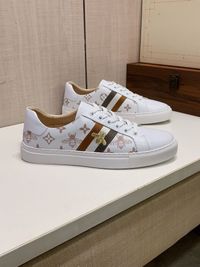
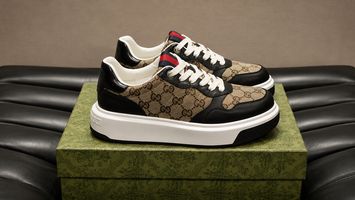
When comparing gucci men sneakers,begin with shape rather than color.A streamlined leather pair,a layered retro design,and a high-volume sneaker may belong to the same category,but they perform very different jobs.


Quick Answers


Which sneaker shape is easiest to wear?

A streamlined low-top usually offers the broadest range.It works naturally with jeans,straight trousers,and relaxed business-casual clothing without taking over the outfit.


Does a thicker sole mean greater comfort?

Not necessarily.Sole thickness may add cushioning,but flexibility,weight,heel control,and forefoot space also affect how a sneaker feels after several hours.


Should the first pair be understated?

It should be adaptable rather than plain.Recognizable details can work when the shape,color,and sole remain easy to combine with existing clothing.


How can versatility be tested?

Place the sneaker beside three trousers already in the wardrobe.If it works with different widths and more than one level of formality,it is likely to receive regular wear.


1.Begin With the Silhouette

Silhouette determines how strongly a sneaker influences the outfit.


A narrow low-top tends to sit neatly beneath trousers.It can support clean denim,chinos,knitwear,overshirts,and relaxed tailoring without changing the overall direction.


A broader sneaker with a thick sole carries more visual weight.It usually works better with straight or relaxed trousers,boxier jackets,and clothing that already has some volume.


Retro-running shapes sit between these two directions.The layered upper and sportier profile can add interest to simple clothing,but multiple panels and textures may make the design less adaptable than a plain leather sneaker.


Instead of choosing the shape that appears most current,look at the proportions already present in the wardrobe.


2.Match Sole Volume to Trouser Width

The outsole often affects styling more than the color of the upper.


A thin or moderately built sole works easily with slim and straight trousers.It creates a cleaner transition from the hem to the foot.


A thick sole needs more room above it.When placed beneath a narrow hem,the sneaker may appear detached from the rest of the outfit.Straight-leg and relaxed trousers usually carry the additional weight more naturally.


Trouser length changes the result too.Cropped hems reveal the full sole,branding,and color contrast.Full-length trousers cover part of the upper and reduce the visual impact.


Men who frequently wear cropped trousers should take particular care with high-volume designs.Every feature becomes more visible,and a sneaker that appears controlled beneath longer trousers may feel much stronger when fully exposed.


Judge the pair beside the trousers worn most often.The relationship between those two pieces will shape its daily usefulness.


3.Look Beyond the Main Material

Describing a sneaker as leather,suede,or textile does not fully explain how it will look or feel.


Smooth leather creates a cleaner surface and usually moves more easily between casual clothing and relaxed tailoring.


Suede softens the appearance and introduces texture.It pairs naturally with wool,corduroy,washed denim,and other tactile fabrics.


Textile panels and mixed-material uppers tend to create a sportier direction.They may feel lighter visually,but additional seams,contrasts,and layers can make them harder to combine with polished clothing.


Construction matters as much as the material itself.A soft upper may adapt quickly to movement,while a reinforced design maintains a stronger shape but can feel firmer.


Look at the toe area,side panels,heel structure,and the connection between the upper and sole.These details say more about the wearing experience than a single material label.


4.Judge Comfort Over Several Hours

Comfort during the first few minutes does not always predict how a sneaker will feel later.


Forefoot Space

The toes need enough room to move naturally.A narrow shape may look refined but become restrictive during extended walking or standing.


Heel Control

The heel should remain stable without excessive pressure.Too much movement can create friction,while a rigid heel area may become uncomfortable over time.


Flexibility

The sole should bend where the foot naturally bends.A thick sole may provide cushioning but still feel tiring when the construction is too stiff.


Weight

A substantial sneaker can feel secure at first.Extra weight becomes more apparent during a commute,a shopping day,or several hours outside.


Men choosing gucci men sneakers for regular use should judge comfort against the most demanding part of the intended routine.A pair that works for a short dinner may not be suitable for a full day on foot.


5.Decide How Much Recognition the Outfit Can Carry

Sneakers often contain more visible design information than loafers or lace-ups.Patterns,striping,contrast panels,hardware,and larger soles can all compete for attention.


A wardrobe built around plain T-shirts,solid knitwear,simple jackets,and neutral trousers can support a stronger sneaker.The footwear becomes the focal element.


When clothing already includes patterned shirts,contrasting layers,visible accessories,or distinctive outerwear,a more controlled sneaker usually creates a cleaner result.


Recognition does not need to disappear.The question is whether it comes from one clear feature or several competing ones.


A noticeable detail on a balanced shape is easier to wear than a design combining a large sole,strong contrast,multiple textures,and decorative elements at once.


6.Separate Everyday Use From Statement Use

Not every sneaker needs to cover the entire week.


An everyday pair should work without much planning.Its shape should suit common trousers,and its comfort should match the amount of walking expected from it.


A statement pair has a narrower role.It may introduce proportion,color,texture,or visible branding to an otherwise simple outfit.It does not need to work with every jacket or trouser,but it should create a clear effect when worn.


Problems begin when a statement sneaker is expected to behave like a daily basic.A large sole may feel difficult beneath most trousers.A highly detailed upper may work with one clean outfit and compete with everything else.


For a first pair,adaptability normally matters more than novelty.Later choices can introduce stronger proportions or more visible details without carrying the responsibility of everyday wear.


7.Compare the Main Sneaker DirectionsStreamlined Leather Sneakers

These usually provide the greatest styling range.They work with denim,chinos,straight trousers,and some relaxed tailoring.The clean upper allows them to move between casual and polished clothing.


Retro-Inspired Sneakers

Retro shapes often combine a moderate sole with layered panels and sport-influenced details.They pair well with denim,casual trousers,and lightweight jackets,but the upper may appear busier than a simple leather design.


High-Volume Sneakers

Broader uppers and thicker soles give these designs a stronger fashion presence.They work best with straight or relaxed trousers and can give plain clothing more direction.


Mixed-Material Sneakers

Leather,textile,and suede combinations introduce texture and movement.They usually feel more casual and work naturally with technical outerwear,travel clothing,and relaxed layers.


A useful rotation does not need every type.It needs enough difference between pairs to create separate reasons for wearing them.


8.Use the Three-Trouser Test

Before building complete outfits,place the sneaker beside:


• The jeans worn most often


• A casual or work trouser


• The widest trouser in the wardrobe


Look at sole width,toe length,upper height,and the space beneath the hem.


A sneaker that works with all three shapes has broad practical range.One that suits only the widest trouser should be treated as a more specialized design.


Then add the rest of the outfit.A streamlined leather sneaker may move easily from a T-shirt and denim to a knit polo and casual jacket.A layered runner may feel natural with relaxed clothing but less convincing beside a sharper blazer.


This test reveals styling limits before they become frustrating.


9.Make Each Pair Add Something New


The first pair should usually cover the greatest number of real situations.It can include recognizable details,but the shape and color should remain easy to place beneath common trousers.


Later pairs can bring a clear difference:


• A broader shape for relaxed trousers


• A mixed-material upper for casual clothing


• A visible pattern for simple outfits


• A seasonal texture that changes familiar combinations


The next pair should add a new role rather than repeat the first in another color.


Before choosing,ask what the design changes.Does it improve comfort,suit another trouser width,cover a different setting,or create a genuinely new effect?


Several sneakers with nearly identical soles and uppers may offer less useful range than two pairs with clearly different proportions.


10.Avoid Four Common Selection


ErrorsChoosing by the Upper Alone

An attractive upper cannot compensate for a sole that feels too large beneath most trousers.


Assuming More Cushioning Means More Comfort

Cushioning is only one part of the experience.Weight,flexibility,heel control,and forefoot space still matter.


Ignoring the Rest of the Wardrobe

A highly detailed sneaker may be difficult to use when jackets,shirts,and accessories already carry strong visual elements.


Buying for an Imagined Routine

A pair selected for occasions that rarely happen may receive less wear than a simpler option suited to ordinary days.


When assessing gucci men sneakers,focus on the situations that actually occur during the week rather than the setting in which the design looks most impressive.


11.Protect the Shape Between Wears

Care should suit the construction instead of becoming an elaborate routine.


Surface dirt is easier to manage before it settles into seams,textile panels,or textured areas.Smooth leather,suede,and fabric require different methods,so one approach should not be used across every upper.


Dry storage helps the interior and materials recover.The pair should also have enough space to hold its shape rather than being pressed beneath heavier footwear.


Rotation can reduce repeated stress on the same areas of the sole and upper.The goal is not to keep a sneaker looking untouched.It is to prevent avoidable wear from shortening its useful life.


12.Know When a Streamlined Sneaker Makes More Sense

A high-volume sneaker is not automatically the better choice simply because it has a stronger visual presence.


Men who regularly wear slim or straight trousers may find that a streamlined design fits more naturally into the wardrobe.A lower sole and cleaner upper can also move more easily between denim,casual workwear,and relaxed evening clothing.


Broader sneakers make more sense when the wardrobe already includes relaxed trousers,boxier jackets,or heavier layers.They bring useful weight to those proportions but may feel excessive beneath narrow hems.


Fit can also change the decision.A sneaker may have the right appearance but still feel unsuitable if the toe area,the heel structure,or the upper volume does not match the foot.


Men comparing different shapes can explore how gucci men sneakers should fit before deciding which construction will work best for regular wear.

James Anderson

James Anderson is a luxury footwear writer specializing in designer shoes,fashion craftsmanship,and timeless style.He explores the materials,construction,heritage,and design philosophy behind iconic footwear brands,providing practical insights into choosing and styling luxury shoes for different occasions.His guides help readers understand the details behind premium footwear and how these pieces fit into modern wardrobes.

Related Posts

How Should Gucci Men Sneakers Fit?A Guide to Size,Shape,and ComfortHow Should Gucci Men Sneakers Fit?A Guide to Size,Shape,and Comfort
How Should Gucci Men Sneakers Fit?A Guide to Size,Shape,and Comfort

Gucci men sneakers should feel stable at the heel,comfortable across the forefoot,and roomy enough for the toes to move naturally.They should not require extreme lace tightening or depend on painful wear to become usable.


Shoe length is only one part of fit.Toe shape,forefoot width,instep volume,heel structure,and the position where the sole bends can make two sneakers in the same labeled size feel completely different.


Judge a pair against the hardest part of the intended day.A fit that seems acceptable during a few minutes of standing may become restrictive after extended walking.


Quick Answers


Should sneakers feel tight at first?

They can feel secure,but they should not create persistent pressure across the toes,forefoot,or instep.A firm upper may soften slightly;obvious compression is a different problem.


How much toe room is necessary?

The toes should move naturally and avoid repeated contact with the front while walking.The shape and width of the toe box matter as much as the visible space ahead of the longest toe.


Is slight heel movement normal?

Minor movement may occur in some low-top designs.Clear lifting,friction,or the need to curl the toes for stability usually means the fit is not working.


What if one size feels tight and the next feels loose?

Compare forefoot pressure in the smaller size with heel control and flex position in the larger one.If neither feels balanced,try a different shape rather than forcing the size.


1.Fit Involves More Than Length

A correct size label does not guarantee a correct fit.


Five areas need to work together:


• Toe length


• Forefoot width


• Instep space


• Heel control


• Sole flex position


A sneaker may have enough space in front of the toes but still feel narrow across the ball of the foot.Another may feel comfortable at the front while allowing the heel to move because the upper contains too much volume.


The foot should remain controlled as it rolls forward.It is not enough for it to fit inside the outline of the shoe while standing still.


2.Test for the Day You Will Actually Have

A pair worn mainly for short evening plans does not need to meet the same demands as one used for commuting,travel,or several hours of city walking.


Think about the longest realistic period of wear:


• A workday with commuting


• Several hours of walking and standing


• Travel through terminals and public

transportation


• A short outing with limited movement


Feet may also feel fuller after extended activity.A forefoot that is already close-fitting during a brief try-on can become much less forgiving later.


Choose according to the demanding part of the routine,not the easiest ten minutes.


3.Check the Toe Box in Three Ways

Toe fit has three separate parts:length,width,and shape.


Length

The longest toe should not strike the front during a normal step or when walking down a slight incline.Repeated contact rarely becomes less noticeable with time.


Width

The small toe and outer forefoot should not remain pressed against the sidewall.A shoe can be long enough and still be too narrow.


Shape

Rounded,almond-shaped,and tapered toe boxes distribute internal space differently.The most suitable option follows the natural outline of the foot rather than forcing the toes inward.


Take several normal steps instead of judging only while seated.The forefoot spreads under body weight,and pressure that was hidden at rest may become obvious.


4.Understand Forefoot Width

Forefoot pressure often leads buyers to select a longer size than they need.


Moving up may create more overall room,but it can also place the heel too far back and shift the sole’s bending area away from the ball of the foot.The front feels less compressed while the rear becomes unstable.


When trying a pair,check whether the upper bulges sharply at the sides,whether the small toe remains compressed,and whether the foot extends beyond the edge of the footbed.


A longer size is not always a wider solution.A different toe shape or upper construction may solve the problem more effectively.


5.Judge Instep Space Separately

Instep fit affects how securely the upper holds the foot.


A high instep may create concentrated pressure beneath the laces or across a reinforced panel.The shoe can feel short even when the toes have enough room because the pressure is coming from above.


A low instep creates the opposite effect.The foot may move inside the upper despite having the correct length.Tightening the laces can improve mild looseness,but it should not require excessive tension.


Instep volume can vary across different gucci men shoes,so a familiar size may still feel unusually tight or loose when the upper structure changes.


6.Check Heel Hold Without Hiding the Problem

The heel should remain controlled during a normal stride.


A small amount of initial movement may occur in a low-top,but it should not create friction or make the shoe feel as though it is being left behind with every step.


Warning signs include:


• Clear heel lifting during each stride


• Forward sliding when stopping


• Extreme lace tension needed for control


• Toes curling to grip the footbed


• Repeated rubbing around the collar


Overtightening the laces can add pressure across the instep without correcting excess internal volume.


7.Watch Where the Sole Bends

A sneaker should flex close to the natural bending area beneath the forefoot.


When the shoe is too long,the sole may crease ahead of the ball of the foot.The stride can feel delayed,and the heel may become less stable.


When it is too short,the toes are pushed forward as the sole bends.The upper may also form sharp folds because the foot and shoe are not moving in the same place.


When assessing gucci men sneakers,watch the pair during several normal steps.The flex line should appear near the widest part of the forefoot rather than far ahead of it.


This detail is difficult to judge from a static photograph but easy to feel once the foot begins to roll forward.


8.Read Upper Structure Realistically

Material affects how pressure feels,but it cannot correct a poor shape.


A structured leather upper keeps a defined profile and may feel firm at first.It can soften slightly,but steady pressure across the toe box or instep should not be dismissed as normal break-in.


Softer leather or textile may adapt more readily to small differences in foot shape.That flexibility will not remove excessive length or prevent movement inside an upper that is too roomy.


Mixed constructions need extra attention.A flexible textile panel may sit beside a fixed leather overlay or reinforced seam.Check whether the firmer section falls across a sensitive part of the foot.


Comparing different gucci sneaker styles for men can be more useful than repeatedly changing the size of a design whose toe shape or upper volume does not suit the foot.


Break-in should refine a workable fit.It should not be expected to fix toes touching the front,strong forefoot compression,obvious heel lifting,or a sole that bends in the wrong place.


9.Test With the Socks and Insoles You Will Use

Socks can change internal volume more than expected.


A thin sock leaves more space around the instep and heel.A thicker athletic sock may reduce slight movement,but it can also increase pressure across the forefoot.


Test the pair with the sock weight most likely to be worn regularly.When seasonal changes matter,consider both the thinnest and thickest realistic option.


An added insole lifts the foot higher,reduces instep space,and changes how the heel meets the collar.It may fine-tune a slightly roomy fit,but it should not be used to disguise a shoe that is clearly too long.


10.Decide Between Two Sizes

When one size feels close at the front and the next feels loose behind,compare the compromises directly.


The smaller size works only when:


• The toes move naturally


• The forefoot has no persistent pressure


• The instep feels secure rather than compressed


• The sole bends in the correct place


The larger size works only when:


• The heel remains controlled


• The foot does not slide forward


• The laces do not require extreme tightening


• The extra length does not change the stride


When assessing gucci men sneakers,use the socks and insoles planned for regular wear.A test performed under different conditions may not reflect how the pair will feel during an actual day.


If both sizes create obvious problems,the silhouette is probably a poor match for the foot.


11.Compare Shapes Instead of Forcing a Size

Not every foot works equally well with every sneaker profile.


A tapered toe may feel restrictive even after moving up in size.A broad toe box may provide enough width but contain too much volume around a lower instep.A heavily structured heel may feel stable for one person and intrusive for another.


Changing the silhouette may solve the problem more effectively than repeatedly moving between sizes.


A different upper volume,toe outline,or heel construction can improve control without adding unnecessary length.


12.Use a Practical Walking Check

A useful try-on should include more than standing still.


1.Stand normally and allow the forefoot to spread.


2.Walk forward,stop,and turn in both directions.


3.Check whether the heel lifts or the foot slides sideways.


4.Rise slightly onto the forefoot and notice where the sole bends.


Pay attention to sensations that repeat with every step.A single firm area may settle slightly,but recurring pressure deserves more caution.


The size label is a reference,not a guarantee.The way the shoe behaves during movement provides the more useful answer.


13.Compare Shape Before Color


When two pairs look equally appealing,compare their structure before choosing between colors.


Start with the toe outline.Then check forefoot width,instep depth,heel hold,and flex position.Decorative details should come later.


Men comparing Gucci Ace and Rhyton should consider not only internal volume and walking feel,but also how each shape changes trouser balance and the amount of visual weight below the ankle.


A visually strong option should not win before the practical differences are understood.


A Stable Fit Should Still Let the Foot Move

A good fit feels controlled without constant gripping,sliding,or pressure.It should work during movement,not only while the foot is resting.


The size number begins the comparison.The shape decides whether the sneaker truly belongs on the foot.