
James Anderson | 3 hours ago

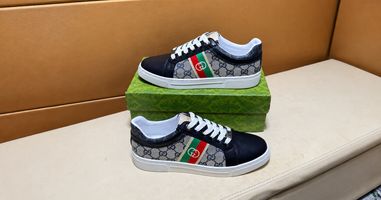
Gucci Men Sneakers Comparison vs Rhyton

Choose the Gucci Ace when you want a cleaner low-top that works with more trouser shapes and moves easily between casual and slightly polished clothing.Choose the Gucci Rhyton when you prefer a broader retro profile and already wear trousers that can support its visual weight.


Ace is usually the easier first pair because it asks less from the wardrobe.Rhyton makes more sense when the sneaker is expected to become a visible part of the outfit rather than quietly finish it.


Within the wider range of gucci men shoes,the decision is less about which series is more recognizable and more about how much volume the wardrobe can carry.Trouser width,hem length,and the role expected from the sneaker should lead the comparison.


Quick Answers


Which is more versatile,Ace or Rhyton?

Ace generally works with more trouser shapes and dress levels.Its cleaner profile can move from denim and chinos to casual wool trousers and relaxed tailoring.


Which works better with relaxed trousers?

Rhyton usually has enough visual weight to remain balanced beneath wider hems.Ace creates a lighter result and may become less visible under very loose trousers.


Which is better as a first Gucci sneaker?

Ace is the safer first choice for most wardrobes.Rhyton may be the better starting pair when substantial sneakers and relaxed proportions are already part of the wearer’s normal style.


Is Rhyton automatically more comfortable because it looks larger?

No.Sole volume does not determine comfort on its own.Weight,flexibility,heel control,forefoot space,and walking time still matter.


1.The Choice Is About Proportion

Ace and Rhyton create two different relationships between the shoe,trouser,and upper body.


Ace continues the line of the leg rather than interrupting it.The low-top shape leaves more visual space around the trouser hem,so the sneaker can support the outfit without becoming its main feature.


Rhyton adds weight below the ankle.Its broader profile can balance relaxed trousers,larger jackets,and heavier layers,but it also becomes part of the outfit’s structure.


That difference should be considered before color or branding.A neutral Rhyton can still dominate more than a visibly branded Ace because proportion often has a stronger effect than decoration.


2.Compare the Core SilhouettesGucci Ace

Ace follows a cleaner low-top direction.Its profile sits closer to the foot,and the transition from trouser hem to sneaker usually feels direct.


It works naturally with straight denim,chinos,casual wool trousers,cropped trousers,and some relaxed tailoring.The shoe remains visible without taking control of the entire look.


Gucci Rhyton

Rhyton has a broader retro-sneaker profile.The upper and sole create greater presence,especially when the shoe is fully exposed beneath cropped or shorter trousers.


It suits straight-leg denim,relaxed trousers,wider casual pants,boxier jackets,and heavier seasonal layers.The surrounding clothing needs enough volume to make the shoe feel integrated rather than added at the end.


3.Look at the Shoe From Above

Side photographs make sole thickness easy to notice,but the view from above can be more revealing.


Ace occupies less visual space across the front of the foot.A narrower footprint leaves more separation between the shoe and trouser hem,which helps the outfit retain a lighter line.


Rhyton covers more area from above.The toe and upper remain noticeable even in a restrained color.This makes the sneaker visually strong without relying entirely on logos or contrast.


The difference becomes especially clear with cropped trousers,where the toe width,lacing area,and upper panels are fully exposed.A neutral color does not make a broad shape visually small.


4.How Sole Volume Changes the Outfit

Ace usually keeps the lower half of an outfit light.It works well when the trouser already has a clean line and the sneaker is expected to complete rather than reshape it.


Rhyton creates a wider base.This can give relaxed trousers more balance and prevent a broad hem from overwhelming the shoe.Under a narrow trouser,the same volume may appear abrupt.


When comparing gucci men sneakers,do not judge sole size only by whether it looks current.Ask whether the wardrobe already contains enough trouser width and visual space to support it.


A larger sole may improve proportion in one wardrobe and create unnecessary weight in another.


5.Match Each Series to Trouser ShapeSlim Trousers

Ace is usually the easier option.Its lower profile follows the narrow line of the trouser without widening suddenly at the foot.


Rhyton can look disconnected beneath a tight hem,especially when the whole upper is exposed.


Straight-Leg Trousers

Both can work.Ace keeps the line clean,while Rhyton gives the lower half more presence.


This is the point where personal preference matters most because the same trouser can support either effect.


Relaxed Trousers

Rhyton generally has the advantage.Its broader upper and sole remain visible beneath additional fabric.


Ace can still work when trouser length is controlled,but a very wide or long hem may cover too much of the shoe.


Cropped Trousers

Ace appears sharper and lighter.Rhyton becomes an obvious focal element.The decision depends on whether the exposed shoe should support the outfit or lead it.


6.Which One Covers More Dress Levels?

Ace moves more easily across different levels of casual dressing.


It can sit beneath dark denim and knitwear,then work with casual wool trousers and an unstructured jacket.The sneaker does not become formal,but its controlled shape can reduce the casual weight of the outfit.


Rhyton usually strengthens the casual direction rather than softening it.With washed denim,a relaxed knit,or a substantial jacket,this can make simple clothing feel more deliberate.


The distinction is useful:


• Ace can make casual clothing look cleaner


• Rhyton can make simple casual clothing look more intentional


A wardrobe that frequently moves between casual workwear and evening clothing will usually gain more range from Ace.A wardrobe built around relaxed silhouettes may find Rhyton more coherent.


7.Compare Shape Before Branding

Ace and Rhyton appear in different combinations of color,material,and recognizable detail.These elements change individual versions,but they should not replace the silhouette decision.


Use this order:


1.Decide whether the wardrobe needs a streamlined or substantial shape.


2.Check how the sole works with existing trousers.


3.Consider how much visual detail the outfit can carry.


4.Choose the specific color and finish.


When browsing gucci sneakers for men,first decide which proportion belongs in the wardrobe.A preferred colorway should not pull the buyer toward a series that conflicts with the clothing already owned.


8.Do Not Confuse a Colorway With the Whole Series

Comparing one plain Ace with one highly decorated Rhyton can create a misleading conclusion.


The difference may come from several variables:


• Series silhouette


• Upper material


• Sole contrast


• Color placement


• Branding


• Decorative panels


Separate them.First decide whether the Ace shape suits the wardrobe.Then decide whether Rhyton’s volume works with the usual trouser width.Only after that should specific versions be compared.


The same principle applies across gucci men shoes more broadly.A strong colorway can make a clean shape appear expressive,while a neutral finish can make a substantial design look less busy without reducing its physical size.


Series shape is the stable comparison.Color changes the mood.


9.Which Is Easier for Long Days?

Neither series should receive an automatic comfort advantage based on appearance.

Ace may look lighter,but the experience still depends on the specific upper,heel fit,weight,and how the sole bends beneath the forefoot.


Rhyton may appear more cushioned because of its volume.That does not guarantee greater flexibility or easier wear after several hours.

Test either pair against the hardest part of the intended routine:


• A full commute


• Extended city walking


• Several hours of standing


• Travel through stations or terminals


The useful question is not which series looks more comfortable.It is which particular pair remains controlled and wearable during the day it must handle.


10.Which Is the Better First Pair?

Ace usually makes more sense when one sneaker must cover several dress levels,fit slim or straight trousers,and remain easy to wear without becoming the starting point of every outfit.


Rhyton can be the stronger first choice for someone who already wears broad soles,relaxed trousers,and simple upper-body combinations.The wardrobe has already created space for a substantial sneaker,so choosing the safer-looking option is not automatically necessary.


The first pair should fit the wardrobe that already exists.When comparing gucci men sneakers,the better starting point is the one that enters regular outfits with less correction.


11.Use Different Outfit Tests

Ace and Rhyton should not be tested with identical outfits because they are expected to do different jobs.


Test Ace With


• The straight jeans worn most often


• A casual work trouser


• A slightly polished combination with

knitwear or an unstructured jacket


Ace should move across these outfits without looking too athletic or too visually weak.


Test Rhyton With

• The widest trouser already owned


• A simple outfit built around one jacket or knit


• A combination where the sneaker provides most of the visual interest


Rhyton should look integrated rather than oversized.


This test also reveals hidden styling costs.If Rhyton requires new trousers to look balanced,it may not suit the current wardrobe.If Ace works only with the most casual outfit,its expected versatility may have been overstated.


12.Who Should Choose Ace?

Choose Ace when wardrobe compatibility matters more than maximum visual impact.


It suits men who rely on straight denim,chinos,casual wool trousers,clean knitwear,and relaxed business-casual combinations.It also works well when the sneaker needs to remain useful as jackets,weather,and dress levels change.


Ace usually wins when the wearer wants the shoe to cooperate with the wardrobe rather than reorganize it.


13.Who Should Choose Rhyton?

Choose Rhyton when the sneaker is meant to contribute visible weight and character.


It suits men whose clothing already has enough room for a broad sneaker.Rhyton also makes sense when a cleaner everyday pair is already covered and the next choice should create a genuinely different effect.


Within a collection of gucci men shoes,Rhyton should add more than another color.It should introduce a new proportion and a stronger focal element.


If the wardrobe cannot support that difference,the pair may receive less wear than expected.


14.Avoid Four Comparison MistakesComparing Color Before Silhouette

A neutral Rhyton can still carry more visual weight than a colorful Ace.Shape should be judged first.


Assuming Ace Is Always More Refined

Material,pattern,and decorative detail can make a specific Ace highly casual or expressive.


Assuming Rhyton Is Automatically More Comfortable

A larger sole does not prove better cushioning,lower pressure,or easier walking.


Choosing Rhyton Without Checking Trouser Width

A broad sneaker beneath a narrow hem can look disconnected.The trousers already in the wardrobe should confirm whether the volume is useful.


15.Choose According to the Trousers You Wear Most

Choose Ace for lower styling effort,broader trouser compatibility,and an easier move between casual and slightly polished clothing.


Choose Rhyton when the sneaker is expected to anchor the outfit and the wardrobe already has enough volume to support it.The better series is the one that can be worn regularly without requiring the rest of the wardrobe to change.

James Anderson

James Anderson is a luxury footwear writer specializing in designer shoes,fashion craftsmanship,and timeless style.He explores the materials,construction,heritage,and design philosophy behind iconic footwear brands,providing practical insights into choosing and styling luxury shoes for different occasions.His guides help readers understand the details behind premium footwear and how these pieces fit into modern wardrobes.

Related Posts

<p>Prada Men Sneakers for Work,Travel,and Weekends</p><p>Prada Men Sneakers for Work,Travel,and Weekends</p>

Prada Men Sneakers for Work,Travel,and Weekends

The most useful sneaker for a mixed schedule is not the pair that performs equally in every setting.It is the one that satisfies the strictest regular environment,remains comfortable through the longest active day,and works with the trousers already worn most often.


Among prada men shoes,a restrained leather sneaker usually moves from casual offices into weekends most easily.A mixed-material design becomes more useful when travel and walking dominate.Heavier technical shapes suit wardrobes already built around relaxed tailoring,wider trousers,and visible footwear.Start with the week that exists rather than an imagined need for one shoe to do everything.


1.Start With the Hardest Setting

Weekend clothing accepts almost any sneaker shape.The more useful first test is the least casual place where the pair must still look deliberate.


A business-casual office may accommodate smooth leather,tonal colors,and a moderate rubber sole.A traditional workplace built around suits and formal shoes may leave little room for even a minimal sneaker.The aim is not to disguise an athletic design as formal.It is to avoid choosing a shoe whose materials and proportions contradict the room.


Once that boundary is clear,the weekend decision becomes easier.A sneaker that works beneath office trousers usually moves into denim.A highly technical pair does not always make the journey in reverse.


2.Let Travel Reveal the Physical Demand

Work may determine appearance,but travel reveals whether the shoe remains useful for an entire day.Airports,rail stations,hotel corridors,and unfamiliar streets combine standing,stairs,short bursts of movement,and long periods without a convenient chance to change footwear.


A travel-first pair should feel stable rather than merely soft.Cushioning improves the first impression,but interior movement becomes tiring when the wearer repeatedly changes direction.Weight also matters more after several hours than it does during a brief trial.


Consider whether the sneaker will be worn throughout the journey or packed as a second pair.A bulky outsole takes more luggage space.A slimmer leather design packs more easily,but a smooth surface may need protection from pressure or hardware inside the bag.Fabric and mesh compress more readily and make greater sense in warm conditions.


The whole journey should set the standard,not the few minutes spent crossing an airport floor.


3.Choose the Sneaker Family Before the Color

Different prada men sneakers solve different kinds of weeks.


• A low-profile leather sneaker suits casual offices,short trips,and wardrobes built around straight trousers.


• A mixed-material sneaker serves walking-heavy schedules and relaxed work environments.


• A technical design adds texture,volume,and a stronger athletic identity.


• A substantial rubber-soled sneaker works best when broader trousers and heavier outerwear already shape the wardrobe.


These are not small variations of the same product.A close leather upper and a layered technical construction may share a color while demanding different clothing and expectations.Select the family first.Color becomes useful only after the role is clear.


4.The Office Test Goes Beyond Permission

An office may permit sneakers while certain pairs still feel disconnected from the clothes worn there.A clean upper can remain too heavy when the sole projects far beyond the foot.A technical upper may appear controlled when its colors stay tonal and its base remains moderate.


Place the candidate beneath the work trousers used most often.The relationship at the hem usually reveals more than the shoe viewed alone.


5.Do Not Turn a Travel Shoe Into a Travel-Only Shoe

A sneaker chosen for airports and long walks can become difficult during an ordinary week.Extra cushioning,a large sole,and several breathable panels may perform well in motion but leave the pair dependent on sportswear or highly casual trousers.


Check whether the design can also replace an existing weekend shoe.Could it work for evening shopping,a casual dinner,or an informal meeting?Would it feel natural beneath denim and the outerwear already used outside work?


The strongest travel purchase often includes one or two technical advantages without adopting every athletic signal.A flexible forefoot and stable base can improve movement without bright contrast or dense paneling.A structured heel can provide control while the upper remains restrained.


Frequency changes the answer.A man who travels every week can accept more specialization than someone taking several major trips a year.For the second buyer,the pair still needs to earn most of its use at home.


6.Why Leather Often Covers the Widest Range

For someone comparing prada men shoes across sneakers,loafers,and lace-ups,a restrained leather sneaker often occupies the most flexible middle.It is more relaxed than a formal shoe but easier to place beside tailored trousers than a visibly athletic construction.


Leather alone does not create that range.Panel count,toe shape,finish,and sole edge still control the result.A smooth upper with limited interruption behaves differently from polished leather placed above a deep tread or projecting rubber frame.


Its limitation appears during active days.A firm upper may feel warmer and less flexible than fabric or mesh.Leather works best when work-to-weekend range matters more than maximum airflow.


7.Mixed Materials Should Perform a Clear Job

Leather,fabric,nylon,and mesh should change how the shoe moves,holds its shape,or responds to the expected schedule.


Fabric through the forefoot can reduce resistance during repeated walking.Mesh improves airflow.Leather around the rear can preserve structure.Rubber overlays protect areas likely to meet luggage,steps,or crowded city surfaces.


The same materials divide the upper visually.Seams create direction,and contrast panels can make the foot appear shorter,wider,or more athletic.Tonal combinations preserve technical detail without allowing every section to compete.


For work and travel,the most adaptable mixed-material designs place performance details where they are useful while keeping the overall color controlled.For weekends,the construction can speak more loudly.


8.Read the Sole Before the Logo

The outsole quickly reveals how easily a sneaker will move between settings.A close-cut base keeps the foot visually near the ground.A rounded athletic sole introduces more movement.A projecting edge increases the total area of the shoe,while a deep tread adds further weight.


Thin is not automatically more versatile.A broad trouser can make a narrow sneaker appear undersized,while a stronger base may provide the balance the outfit needs.The sole should answer the proportions already present in the wardrobe.


9.Decide Which Setting Gets Priority

Work,travel,and weekends do not need equal weight.


• Work first a controlled upper,moderate sole,and low material contrast.


• Travel first weight,flexibility,airflow,and stability.


• Weekend first stronger texture,volume,and visible construction.


• Balanced schedule one dominant feature and restrain the others.


A balanced design is not a sneaker without character.Its strongest feature simply supports the most important part of the week.


10.Consider the Transitions Within One Day

A mixed schedule does not always divide into separate work,travel,and weekend days.A commute may lead directly into an office.A flight may be followed by a meeting.A walking-heavy Saturday can end at dinner without time to return home.


Those transitions expose an overly specialized shoe.The best option does not need to be perfect at every stop.It should avoid becoming clearly wrong when the setting changes.


11.Color Controls How Strongly the Construction Speaks

Black can look polished on smooth leather,flat and technical on nylon,or softer on suede.White reveals panel lines,sole thickness,and every change in material.Gray,navy,and muted green reduce contrast while preserving the identity of a layered upper.


A tonal design can make a large construction easier to place beneath work trousers because the eye reads one continuous shape.Contrast around the outsole divides the shoe horizontally and emphasizes thickness.A smaller contrast panel adds interest without enlarging the whole silhouette.


When viewing prada sneakers for men,judge color after structure.A black technical sneaker does not automatically become restrained,and a white leather pair does not automatically become difficult.The location of contrast matters more than the color name.


12.Cushioning Cannot Decide the Purchase

A strongly cushioned sneaker may suit travel while creating too much volume for work clothing.A sleek leather design may enter the office easily yet become tiring during a walking-heavy trip.


The choice must satisfy physical and visual demands according to the buyer's priorities.Improving only one side usually leads to carrying another pair or avoiding certain settings.


13.Use Three Existing Trousers as the Final Filter

Choose the most frequently worn work trouser,the pair used during travel,and the denim or casual trouser worn most weekends.Place each candidate beneath all three and look from the front and side.


The front shows whether the shoe creates too much width beneath the hem.The side reveals heel height,toe lift,and the extent of the outsole.A pair may work with two trousers and fail with the third.That can still be acceptable when the third setting has low priority.


This test keeps prada footwear connected to clothes already earning regular use.A neutral color does not make a sneaker versatile when its proportions require a different wardrobe.


14.Foundation or Statement?

A foundation sneaker resolves a repeated problem.It may replace an athletic pair that feels too casual for work,provide a more comfortable alternative to loafers,or reduce the need to pack multiple shoes.


A statement sneaker changes the proportion and mood of familiar clothing.A strong sole can give simple trousers more presence,while a layered upper adds texture to a restrained wardrobe.The mistake is buying a statement design and expecting it to behave like an invisible foundation.


15.The Best Pair Reduces Daily Friction

The best choices among prada men sneakers for work,travel,and weekends are not necessarily the designs that can technically enter the greatest number of places.They are the pairs that reduce repeated decisions without creating an obvious compromise.


When the strictest setting,the longest active day,and the existing wardrobe all point toward the same design,the sneaker can move through a mixed week without feeling generic or overly specialized.

Hermès Men Shoes to Build a Three-Pair RotationHermès Men Shoes to Build a Three-Pair Rotation
Hermès Men Shoes to Build a Three-Pair Rotation

A useful three-pair rotation needs one pair for movement,one for polish,and one that connects the space between them.The first should handle the hardest recurring part of the week.The second should cover occasions where the first feels too relaxed.The third should solve a repeated compromise rather than imitate the most frequently worn pair.


The purpose of collecting hermès men shoes is not to create three attractive alternatives for the same morning.Each pair should make a different decision easier.When the roles are clear,three pairs can cover a wide range.When they overlap,even a larger collection can feel incomplete.


1.Three Pairs Need Three Different Jobs

A rotation does not become balanced simply because it contains three pairs.Sneakers in different colors may still occupy one position.Polished leather shoes may look distinct while requiring the same trousers,schedule,and limited movement.


Begin by assigning three jobs:


•The movement pair handles physically demanding days.


•The polished pair handles the highest regular dress requirement.


•The bridge pair covers situations where neither extreme feels correct.


This is more useful than dividing shoes into casual,smart casual,and formal.Those labels describe appearance,but not how footwear performs across an actual day.


A movement pair can still look controlled.A polished pair can remain suitable for ordinary use.The bridge pair may be visually simple,but it prevents the other two from being forced into the wrong setting.


2.Start With the Hardest Recurring Day

Do not begin with the easiest weekend outfit or the pair that attracts the most attention.Begin with the day on which a poor choice creates the greatest inconvenience.


That may be a transit-heavy workday,extended standing,or a schedule moving from a relaxed office into a more polished evening.The hardest recurring day reveals what the first pair must do without negotiation.


Ask:


•How much walking is unavoidable?


•What is the highest level of dress required?


•Which trousers must the shoe support?


•Does the day remain in one setting or move through several?


•Would physical restriction or an underdressed outfit cause the larger problem?


When comparing hermès shoes for men,let this difficult day establish the first role.The first pair does not need to cover the entire wardrobe.It needs to prevent the most disruptive failure.


3.The Movement Pair Is the Foundation

For many men,the movement role will be filled by a sneaker,but function matters more than the label.


This pair needs secure heel control,usable flexibility,and enough visual restraint to work beyond athletic clothing.It should handle the longest normal period of movement without requiring a change halfway through the day.


The movement pair also establishes the lower boundary of the rotation.It shows how relaxed the collection can become without losing intention.


A strong foundation usually works with several of the following:


•Straight or relaxed denim


•Casual trousers


•Travel clothing


•Simple knitwear


•Unstructured jackets


•Weekend layers


It may become the most frequently worn pair,but the second and third positions must extend the wardrobe rather than duplicate it.


4.The Polished Pair Sets the Upper Boundary

The polished pair handles days when a movement-first shoe feels too casual,too substantial,or disconnected from the clothing.


It may be a loafer,a refined slip-on,or another clean leather shape.The category matters less than its ability to work with sharper trousers,controlled proportions,and settings where footwear completes the outfit.


This pair should cover the highest level of dress that appears regularly,not the most formal event imaginable.A shoe selected for rare ceremonies may remain unused while weekly dinners,meetings,and business-casual days rely on weak substitutes.


The polished position should pass three tests:


•It works with the cleanest trousers worn regularly.


•It remains credible when a jacket is added.


•It does not feel excessively formal with simpler clothing.


The upper boundary should be useful,not theatrical.


5.Quick Rotation Answers

Are three pairs enough for most men?

Yes,when each pair covers a different part of the week.Three clearly divided functions usually provide more range than a larger group with overlapping roles.


Should the first pair always be a sneaker?

No.A sneaker is the logical starting point when movement creates the largest risk.A polished pair may deserve priority when work and social schedules require cleaner footwear more often.


What should the third pair do?

It should solve the compromise between the first two.It may add easier movement to polished clothing or greater refinement to casual days.


Should all three pairs be different colors?

Color can support the division,but shape,sole,proportion,and function matter more.Three colors built around the same profile still create a narrow rotation.


6.The Third Pair Is Not a Backup

The third pair is where many rotations lose their structure.


After finding one dependable favorite,the easiest response is to buy something similar.The new pair may use another color or material,but it often competes for the same trousers and schedule.


A useful third pair is not a spare.It is a bridge.


It should enter mornings when the movement pair feels too relaxed but the polished pair feels too controlled.It might offer a cleaner profile than the first,more flexibility than the second,or a shape that works naturally between denim and tailoring.


This position matters in a hermès footwear rotation because it should reduce compromise rather than become another version of the favorite.


The bridge may be the least dramatic pair,but it can prevent more poor choices than either extreme.


7.Find the Gap Between the First Two Pairs

Place the movement pair and polished pair beside each other.Then identify what remains difficult.


The gap may involve activity:


•The polished pair cannot support the required walking.


•The movement pair looks too casual for the destination.


It may involve trousers:


•One works with relaxed silhouettes.


•The other works with narrow or sharply tailored trousers.


•Neither suits softly structured,straight-leg clothing.


It may involve transitions:


•One suits the daytime schedule.


•The other suits the evening destination.


•Neither handles both without a change.


The third purchase should address the gap that appears repeatedly,not whichever style attracts attention after the first two roles have been filled.


8.Compare by Function Before Model

Once the three positions are defined,compare the available hermès men shoes according to the job each pair must perform rather than judging every design against the entire wardrobe.


A movement candidate should be compared with other movement candidates.A polished option should be judged by trouser line,dress range,and stability.The bridge should be evaluated by how naturally it crosses the space between the other two.


This prevents a common mistake.A sneaker may lose because a loafer looks sharper during a short try-on,even though the actual need is several hours of movement.A loafer may lose because a sneaker initially feels softer,even though the missing role is a clean office-to-dinner shoe.


Function should narrow the shortlist before color,finish,and smaller design details influence the decision.


9.Use the Trouser Map

A three-pair rotation becomes easier to test when trousers are divided into groups.


The first may contain denim,relaxed casual trousers,and wider shapes.The second may contain straight chinos,soft tailoring,and cleaner everyday pants.The third may contain the sharpest trousers worn for work or social settings.


Then assign the shoes.


The movement pair should work naturally with most of the first group.The polished pair should support the third.The bridge should cover much of the middle without appearing misplaced at either edge.


Every shoe does not need to work with every trouser.Some overlap is useful,but complete interchangeability weakens the rotation.


A strong system creates clear first choices and a few believable alternatives.It does not require all three pairs to compete for every outfit.


10.Do Not Divide the Rotation by Color Alone

A dark pair,a light pair,and a brown pair may look balanced in photographs while remaining functionally identical.


Color should refine the rotation after shape and use have been established.


The movement pair may benefit from a shade that works with high-frequency casual clothing.The polished pair should coordinate with trousers and outerwear at the upper end of the wardrobe.The bridge can create contrast,but it should not require an entirely new group of clothes.


Check each color against frequently worn trousers rather than imagined outfits.A distinctive shade may reduce actual use when it works with only a small part of the wardrobe.


Color should support the three roles.It should not be expected to create them.


11.The Three-Morning Test

Imagine three mornings.


On the first,the day includes substantial movement and a relaxed dress requirement.The movement pair should win immediately.


On the second,the schedule includes limited walking,cleaner clothing,and a more polished destination.The upper-boundary pair should be the obvious choice.


On the third,the day contains moderate movement,straight or softly tailored trousers,and a setting that is neither fully casual nor especially formal.The bridge should win.


If the same shoe wins all three mornings,the other positions may lack clear functions.If two pairs continually compete for one morning,their roles are probably too close.


A useful three-pair shoe rotation reduces hesitation before minor visual details enter the decision.


12.Build in the Right Order

The correct buying order depends on what the wardrobe already contains.


Someone with reliable sneakers but no convincing option for cleaner trousers may begin with the polished position.Someone with dress shoes but no dependable walking pair should establish the movement role first.A wearer whose two extremes are covered can move directly to the bridge.


Anyone building the system from the beginning should first revisit choosing the pair that anchors the rotation.That first-pair decision identifies which position deserves priority before the next two purchases are planned.


The buying order for hermès shoes for men should follow the role currently missing,not a fixed sequence of sneaker first,loafer second,and bridge third.


13.When the Rotation Is Already Complete

A fourth pair is not automatically the next stage.


The rotation may already be complete when:


•The hardest active day has a reliable shoe.


•The highest regular dress requirement is covered.


•The middle ground no longer requires compromise.


•Frequently worn trousers have clear first choices.


•No pair is included only because it should receive more use.


At that stage,a new purchase should replace a weakened performer or introduce a genuinely new requirement.Otherwise,it risks dividing one established role into several nearly identical versions.


Completeness is measured by how few important mornings remain difficult,not by how many styles are represented.


The system should also be easy to explain.If one pair can be justified only through color,small design details,or occasional preference,its role may not be distinct enough.


14.A Rotation Should Reduce Decisions

The first pair should protect the most demanding regular day.The second should reach the opposite end of the wardrobe.The third should make the space between them easier to dress.


The movement pair expands what the wearer can do.The polished pair expands where the wearer can go.The bridge reduces the number of times either one must be forced into the wrong setting.


That is the value of the rotation greater quantity,but clearer division.


Three pairs are enough when each one wins a different kind of morning.The strongest rotation does not offer endless alternatives.It makes the correct choice obvious.

Bally Men Sneakers Size Guide the Same Size Fits DifferentlyBally Men Sneakers Size Guide the Same Size Fits Differently
Bally Men Sneakers Size Guide the Same Size Fits Differently

1.The Quick Fit Answer

The correct size cannot be judged by length alone.A slim leather sneaker may leave enough space in front of the toes while still pressing across the forefoot.A broader-looking design may appear generous from the outside,but thick lining and layered panels can reduce the usable room inside.


This is why bally men sneakers do not follow one reliable rule such as “always true to size” or “always size down.”The same numerical size can feel different when the toe shape,sole width,heel construction,and internal padding change.


Stay with the usual size when the heel remains secure,the forefoot sits fully over the sole,and the shoe bends near the natural flex point.Consider half a size up only when the shoe is genuinely short.When extra length creates heel movement without relieving pressure,the better solution is usually another model rather than another size.


2.Why a Size Number Tells Only Part of the Story

A size number mainly organizes length.It does not describe every dimension inside the shoe.


Two sneakers marked with the same size may use different lasts.One may taper earlier around the toes.Another may have more space across the ball of the foot but hold the heel more tightly.A third may use thick foam around the collar,leaving less internal room than its exterior suggests.


The difference often becomes clearer after walking.A shoe that feels acceptable while sitting may allow the foot to slide forward on stairs,while a flexible upper can still rest over a platform that is too narrow.


Size answers whether the foot can enter the shoe.The last determines whether the foot stays in a stable position once movement begins.


3.The Four Fit Zones That Matter

Instead of asking only whether a sneaker feels large or small,divide the fit into four zones.


• Toe length toes should not repeatedly meet the front during normal walking.


• Forefoot width ball of the foot should sit over the supportive part of the sole rather than pushing beyond its edges.


• Instep volume upper and lacing area should hold the foot without creating a concentrated band of pressure.


• Heel shape rear of the shoe should follow the heel closely enough to limit lifting.


A problem in one zone does not automatically mean the whole shoe is the wrong size.For example,a secure heel and correct length combined with forefoot pressure usually suggest a shape issue,not a general sizing error.


4.Length,Width,and Internal Volume

Length runs from the heel to the front of the shoe.Width describes the horizontal space across the forefoot.Internal volume describes the three-dimensional room around the foot,especially above the instep.


These dimensions can move independently.A sneaker can be long and low-volume,short and broad,or wide through the sole but heavily padded inside.


When comparing different bally men sneakers,notice where the pressure appears.Pressure at the toe tips suggests insufficient length.Pressure along the outer forefoot points toward width.A tight feeling beneath the laces usually relates more closely to instep volume.


This distinction prevents an unnecessary size increase.A man with enough toe room but excessive instep pressure may gain unwanted length by moving up half a size,while the original structural mismatch remains.


5.How Slim Leather Sneakers Behave

Low-profile leather sneakers often create a polished line because the sole and upper remain visually controlled.That same shape can make the internal fit feel more precise.


The toe area may begin tapering earlier,and the sidewalls may sit closer to the foot.A smooth leather upper can gradually soften around pressure areas,but the platform beneath it does not become wider.


This matters for men whose forefeet spread noticeably when standing.A slim sneaker may feel acceptable in the usual size for several minutes,then create pressure along the little toe or ball of the foot after extended wear.


Moving up half a size can help when the shoe is also short.It is less effective when the main issue is width.A longer slim shoe may simply leave more empty space in front while continuing to press from the sides.


6.Why Chunky Does Not Always Mean Roomy

A substantial exterior can be misleading.


Chunky and layered sneakers may have a broad outsole,but part of that width can sit outside the usable foot chamber.Thick lining,padded tongues,reinforced side panels,and structured collars all occupy internal space.


This creates an important distinction between external volume and internal volume.The shoe may look large beside a low-profile design while feeling equally close around the instep.


Heavier construction also changes heel behavior.When the rear of the shoe does not hold securely,the weight of the sneaker can increase movement as the foot lifts.Adding size may make that problem more noticeable.


A broad outsole can still improve stability,but only when the foot rests in the correct position above it.


7.The Role of Padding and Layered Uppers

Padding can make the first contact feel comfortable.It can also hide the real fit for several minutes.


A thick tongue may compress after wear,but it can initially reduce space over a high instep.Padded collars may improve heel contact,although excessive softness can allow movement once the material settles.Layered side panels can create local pressure that does not appear in a simpler leather upper.


The useful question is not whether the sneaker feels cushioned.It is whether the pressure remains evenly distributed after the foot warms and the materials begin to respond.


Initial softness describes surface contact.Later pressure reveals whether the internal shape actually works.


8.Compare Models Before Changing Size

When one design feels restrictive,it is tempting to assume that every sneaker from the brand requires the same adjustment.That can create a new problem in a model with a different internal shape.


A slim leather pair may feel close across the forefoot,while a sport-influenced design in the same size may provide more lateral room.A layered sneaker may look broader but feel lower over the instep.A lighter design may use less padding and therefore feel more spacious without being longer.


Comparing several bally sneakers for men may show that the pressure comes from the model’s internal shape rather than the size itself.


This is especially useful when the usual size feels secure at the heel but uncomfortable elsewhere.That combination often indicates that the rear fit is correct while the front or upper shape is not.


9.Wide Forefeet and Narrow Heels

One of the most difficult combinations is a broad forefoot with a relatively narrow heel.


Sizing up may reduce pressure at the front,but it can also create lifting at the back.Tightening the laces may reduce some movement,yet it can add pressure over the instep without changing the heel shape.


A better option is usually a model with more usable forefoot width and a defined rear structure.The goal is not maximum overall space.It is space in the correct location.


The foot should not hang over the edge of the supportive platform,even if the leather upper feels soft enough to accommodate it.


10.High Instep Fit

A high instep often creates pressure beneath the tongue or across the lower section of the laces.The toes may still have enough room,and the heel may remain stable.


Loosening the laces can reduce pressure,but only to a point.If the upper begins pulling widely apart or the foot no longer feels contained,the sneaker likely lacks sufficient internal volume.


Moving up half a size may add some volume,but it also changes length and heel position.This is why a roomier construction in the original size can fit better than a longer version of the same narrow model.


Watch for numbness,deep lace marks,or pressure that increases instead of settling.These are stronger signals than a general feeling of firmness during the first minute.


11.When Staying True to Size Makes Sense

The usual size is probably correct when the foot remains stable and no single area carries excessive pressure.


The toes should move naturally without the foot sliding forward.The forefoot should feel contained rather than compressed.The heel may move very slightly as the shoe bends,but it should not lift repeatedly.


The flex point should also align with the ball of the foot.If the sneaker bends noticeably ahead of or behind that area,the numerical size may be close while the last is still unsuitable.


Across bally men sneakers,a controlled fit is usually more useful than extra empty space,provided the toes and forefoot can still move naturally.


12.When Half a Size Up Can Help

Half a size up is most useful when the shoe is genuinely short.


Clear signs include:


• The toes repeatedly contact the front.


• The longest toe cannot rest naturally while standing.


• Downhill walking or stairs push the toes firmly forward.


• Thicker socks make the current length insufficient.


• One foot is clearly longer and cannot be accommodated comfortably.


Even then,the heel should remain secure in the larger size.If the shoe becomes loose at the back or bends in the wrong place,the additional length has created a new mismatch.

Sizing up changes length and sometimes volume.It does not redesign the last.


13.When a Different Model Is the Better Answer

Changing the model is usually more effective when the original size feels tight but the next size feels unstable.


Other warning signs include:


• The foot extends beyond the supportive width of the sole.


• Pressure remains concentrated beneath the laces.


• The heel lifts after the size is increased.


• The shoe bends away from the natural forefoot position.


• The toe shape forces the toes inward despite sufficient length.


A correctly sized sneaker can also be wrong for the intended routine.A slim leather pair may fit well for office use but feel too firm for a walking-heavy trip.Fit should therefore be considered alongside choosing the right bally sneaker for daily use,not treated as a separate numerical decision.


The best model is the one that fits the foot and the task at the same time.


14.A More Useful Try-On Check

A long testing routine is unnecessary,but the sneaker should be evaluated while standing and moving.


First,stand with weight distributed normally.The foot spreads more under body weight than it does while sitting.Then walk at a natural pace,turn,and use a few steps if available.Pay attention to whether the heel lifts,where the shoe bends,and whether the foot slides forward.


Keep the pair on long enough for early pressure patterns to appear.A soft upper can make the first minute misleading.If one area becomes increasingly noticeable,the structure is unlikely to improve simply because the shoe looks correct.


A comfortable fit should become less noticeable during movement,not more.


15.The Final Size Decision

Keep the usual size when length,forefoot width,instep space,and heel hold work together.


Consider half a size up when the sneaker is clearly short and the larger size still controls the heel.


Choose another model when:


• The original size compresses the forefoot.


• The larger size creates heel movement.


• The instep remains pressured despite correct length.


• The outsole does not support the full width of the foot.


• The flex point does not match the foot.


Do not expect leather softness to correct a structural mismatch.The upper may soften,but sole width,heel shape,and flex position remain largely unchanged.When those three areas are wrong,changing the model is more reliable than waiting for the sneaker to break in.


Common QuestionsDo Bally Men Sneakers Run Big or Small?

There is no reliable answer that applies to every design.Slim leather,layered,and sport-influenced sneakers may differ in toe shape,padding,internal volume,and heel construction,even when they carry the same stated size.


Should Wide Feet Size Up?

Not automatically.Sizing up may add length without providing meaningful width.If the larger size causes heel lifting,a model with more usable forefoot space is the better choice.


Can Leather Sneakers Stretch?

Leather can soften and adapt around the foot.It cannot make the outsole wider or change the underlying last enough to solve a major structural mismatch.


Why Does a Chunky Sneaker Feel Tight?

A broad exterior does not guarantee broad internal space.Thick lining,padded tongues,and layered side panels can reduce the room available to the foot.


Why Does the Heel Slip When the Length Feels Correct?

The rear shape may not match the heel,or the sneaker may have more internal volume than the foot needs.Heel movement does not always mean that the entire shoe is too large.

Louis Vuitton Men Sneakers Wear and Smarter Buying PrioritiesLouis Vuitton Men Sneakers Wear and Smarter Buying Priorities
Louis Vuitton Men Sneakers Wear and Smarter Buying Priorities

The long-term value of louis vuitton men sneakers depends less on novelty than on whether each pair has a clear purpose.The first purchase should cover the largest share of an ordinary week.The next should enter settings the first cannot handle.Once movement,office use,and repeat wear are covered,later choices can carry stronger materials,volume,or design detail without leaving a practical gap.


1.A Clear Purpose Predicts Long-Term Wear

A shoe can look adaptable in isolation and still remain unused once it reaches the wardrobe.The problem is often not color,quality,or visual appeal.It is the absence of a clear job.


One pair may handle commuting,casual offices,and weekends.Another may exist specifically for dinners or relaxed social plans.Both can be useful because their purposes are easy to identify.


Problems begin when a new sneaker looks different but competes for exactly the same days as several pairs already owned.It may attract attention during the purchase without creating a new reason to wear it.


Long-term value is shaped less by how many outfits a shoe could theoretically match than by how many extra decisions must be solved before it can leave the closet.


2.Use the Previous Month as Evidence

Review the previous four weeks before imagining how life might change after the purchase.


Which three pairs appeared most often?Which pants were worn with them?How many days involved substantial walking,an office,dinner,travel,or a relaxed weekend?These answers show where the wardrobe already works and where it repeatedly fails.


Unused shoes provide useful evidence.Ask why they stayed behind.Were they uncomfortable after several hours?Did they work with only one trouser width?Were they too casual for work yet too polished for ordinary weekends?


A shoe worn rarely because its real occasion appears once a month can still have a valid purpose.A pair intended for frequent use but avoided every week signals a mismatch.


Past behavior is not a perfect forecast,but it is usually more reliable than a future routine imagined around a new purchase.


3.Give Every Pair One Main Job

A practical shoe wardrobe usually includes several functions daily wear,long walking or travel,business casual,polished social use,and stronger design-led dressing.


One pair may cover two neighboring needs.A controlled sneaker might work for commuting and a relaxed office.A refined slip-on might move between meetings and dinner.


Trying to make one shoe cover every setting usually creates compromise.It may be too formal for casual days,too relaxed for polished ones,or uncomfortable during the longest part of the schedule.


When comparing louis vuitton sneakers for men,assign each candidate one main job before considering color,finish,or recognition.


4.The First Pair Should Remove the Largest Problem

The first pair does not have to be the simplest design.It should solve the most frequent unresolved problem.


For one buyer,that may be the absence of a sneaker that works with straight jeans,chinos,and a casual office.For another,it may be a pair that remains comfortable through commuting,city walking,and an evening plan.


The wider men’s shoe buying framework helps determine whether the first pair should prioritize movement,office compatibility,or repeat wear before color and finish are considered.


A strong starting point works with clothes already worn and survives the difficult part of the normal week without asking the wardrobe to change around it.


5.Test the Entire Day,Not One Good Moment

A shoe may look right at dinner and still be wrong for the day that leads to it.


Consider the complete sequence home,commuting,walking between locations,remaining in the shoes through work or daytime plans,continuing into the evening,and returning without changing.


The pair does not need to perform perfectly at every stage.It needs to avoid a major failure.If it feels appropriate in the office but becomes tiring during the commute,its use is narrower than expected.If it handles movement well but looks disconnected from every evening plan,a second pair may still be needed.


This test is more useful than judging one isolated scene.A sneaker that looks ideal during a short lunch may not suit hours of standing.A polished design that works in a restaurant may create problems throughout the earlier casual part of the day.


A pair that completes an imperfect but realistic schedule often earns more wear than one that performs beautifully during a single moment.


6.Styling Friction Is the Hidden Limit

Some shoes are difficult to wear not because of color,but because they create too many additional decisions.This is styling friction.


A pair has high styling friction when only one or two trousers balance its proportions,when outerwear must be changed to support its visual weight,or when it pushes every outfit toward the same style.


Trouser length can add friction.A substantial sneaker may require a wider or longer hem.A low-profile pair may feel exposed beneath pants chosen for heavier footwear.Socks and the amount of visible ankle can become part of the calculation.


During long-term sneaker wear,these small demands repeat.A shoe that requires several corrections each time will usually lose to one that enters an outfit naturally.


Low friction does not mean the design lacks character.A recognizable sneaker can be easy to use when its proportions cooperate with the wardrobe.A plain shoe can create high friction when its shape conflicts with most pants already owned.


The better measure of versatility is not how many outfits could be created in theory.It is how many familiar outfits work without repair.


7.Low Frequency Does Not Always Mean Low Value

A specialized pair can remain worthwhile even when it is not worn every week.


Shoes reserved for recurring dinners,seasonal plans,or specific social settings have a legitimate purpose when those occasions truly exist.The problem is not specialization.It is creating a specialized need around a future that rarely arrives.


Frequency and usefulness should be judged together,not treated as the same measure.


8.Check Overlap Before Adding Another Pair

Place the proposed sneaker beside the three pairs worn most often.Do not compare only color and surface.Compare what each one allows the wearer to do.


Do they enter the same level of formality?Do they work with the same two trousers?Are they all intended for relaxed weekends?

Would each be avoided during long walking days or client-facing plans?


Two shoes can appear different while serving almost the same purpose.A tonal low-top and a patterned low-top may compete for identical outfits.A different sole,material,or model name does not automatically expand the wardrobe.


Overlap becomes clearer when the comparison focuses on days rather than details.One shoe may cover travel and casual movement.Another may handle a controlled office and dinner.A third may exist as a stronger weekend option.


A new pair adds more value when it enters a part of the calendar that currently has no convincing answer.


9.Material Behavior Changes Wearing Decisions

Material affects long-term use through the decisions it creates after purchase.


A smooth surface may make small changes more visible.Grained leather can allow light variation to blend into its texture.Suede may cause the wearer to check the environment before leaving home.Technical fabrics can move the shoe toward a more athletic purpose,even in a restrained color.


Mixed materials create another limit.The most delicate visible section may determine when the entire pair feels suitable to wear.


Across louis vuitton men shoes,the practical question is whether the way a material changes will reduce the buyer’s willingness to use the pair during ordinary plans.


10.Maintenance Tolerance Is Part of Compatibility

Some buyers do not mind giving footwear additional attention after use.Others need shoes that can move through the week without repeated consideration.


Neither approach is wrong,but the purchase should reflect the real habit.A material that suits a careful routine may become frustrating for someone who prefers low-maintenance footwear.


Compatibility includes what the wearer is realistically willing to do,not what could be done under ideal conditions.


11.The Second Pair Should Enter Different Days

The second pair should expand the schedule rather than divide the same use between two similar options.


If the first sneaker handles casual offices and weekends,the next might solve travel,extended walking,or more polished evenings.If the first is designed around movement,the second can introduce a controlled shape for trousers and dinners.


A broad design followed by another broad design may add visual variety without increasing function.The same applies when two clean low-tops differ mainly through color or surface treatment.


When reviewing louis vuitton men sneakers,compare each option with the three pairs worn most often.Ask whether it enters different days or competes for a need already covered.


A darker sneaker may look more refined but remain equally casual because its sole and upper are unchanged.A patterned design may appear completely new while working with the same pants and settings as the existing pair.


The more useful second purchase usually changes movement,formality,visual weight,or wardrobe access rather than appearance alone.


12.The Third Pair Can Become More Specific

Once frequent use,movement,and the most difficult recurring setting are covered,the next choice can become narrower.


A stronger pattern,unusual material,greater sole volume,or more seasonal character becomes easier to justify because the wardrobe no longer depends on that pair for every ordinary day.


The third purchase does not need to be more versatile.It needs to be honest about its specialized purpose.


13.Warning Signs of a Repetitive Purchase

A proposed purchase may be repeating an existing function when:


•The main difference is color,but the shape and use remain the same.


•The new pair works with exactly the same pants as the shoes already worn most often.


•Its formality,movement range,and office suitability are nearly identical to an existing option.


•The reason for buying depends mainly on newness or model recognition.


•Several new clothes would be required before the sneaker feels natural.


•There is no clear answer to which current pair it will replace or complement.


•The design looks distinctive in an isolated image but adds no new solution to the real week.


One sign does not automatically make the purchase unnecessary.Several appearing together suggest that attraction is stronger than functional difference.


14.Build the Wardrobe in the Right Order

A useful selection begins with frequency,not variety.The first pair should handle the largest share of ordinary days.


Next,solve the recurring situation that remains difficult.This may be a long walking day,a client-facing office,travel,or a polished evening that the first pair cannot cover convincingly.


Once those needs are secure,stronger specialization becomes easier to support.Material,pattern,volume,and visible branding can add personality without leaving the wardrobe dependent on a demanding shoe.


Each new purchase should answer one question real days become easier because this pair exists?


If no new day,setting,or trouser relationship can be identified,the wardrobe may be gaining quantity rather than range.


15.Decide What the Next Pair Must Add

Before choosing,ask what the next pair will do that the current selection cannot.


Will it enter a fixed part of the week that remains difficult?Will it work with pants that current shoes do not support?Can it complete the longest ordinary day?Is it intended as a frequent foundation or an honest specialized choice?


The strongest louis vuitton men sneakers are not necessarily the pairs worn most often.They are the pairs whose actual purpose matches the reason they were added.


Long-term value does not come from forcing every shoe to become versatile.It comes from giving every pair a real reason to be worn.

<p>Bally Men Shoes Guide Sneakers for Work,Travel,and Everyday Wear</p><p>Bally Men Shoes Guide Sneakers for Work,Travel,and Everyday Wear</p>

Bally Men Shoes Guide Sneakers for Work,Travel,and Everyday Wear

1.The Fastest Way to Choose

The right sneaker should match the hardest part of the week.A low-profile leather design suits business-casual outfits and polished daily use.A lighter,more flexible pair works better for commuting and travel.A broader sole adds visual weight and may feel steadier,but it is harder to combine with tailored trousers.


Among bally men shoes,sneakers usually offer the strongest balance for modern routines.They provide more underfoot protection than drivers,require less formality than traditional lace-ups,and move easily between work,travel,and weekends.


The best bally men sneakers are not necessarily the most distinctive pairs.The stronger choice supports the longest walking period,works with trousers already in the wardrobe,and remains suitable for the most important setting of the day.


2.Begin With the Routine

Model names and decorative details become easier to judge after the shoe’s role is clear.


A man who drives to work and spends most of the day indoors can prioritize a refined shape and slimmer sole.Someone who walks through stations,airports,or city streets needs better cushioning,heel control,and flexibility.A sneaker used for both office hours and dinner must also sit cleanly beneath chinos or tailored trousers.


Ask:


• How long is the normal commute?


• Does the day involve substantial walking or standing?


• Is the office relaxed or business casual?


• Will the sneaker be worn with

denim,chinos,or wool trousers?


• Does one pair need to cover flights and meetings?


• Is low weight more important than a substantial sole?


A sneaker is versatile when it performs well during the three most common parts of the week.It does not need to suit every possible occasion.


3.The Main Sneaker Types

The category becomes easier to understand when divided by proportion and structure rather than model name.


Low-profile leather sneakers have a controlled silhouette and work naturally with narrow or straight trousers.They are often the easiest option for offices,dinners,and understated wardrobes.


Chunkier sneakers create more visual weight.They balance wider trousers,denim,and casual outerwear,but can feel awkward with tailored clothing.A thicker sole may provide cushioning,although size alone does not prove comfort.


Lightweight sneakers reduce fatigue during travel and active days.Support still depends on the footbed,heel,and sole construction.


Sport-influenced sneakers use mesh,layered panels,or technical soles.They suit casual outfits and movement-heavy schedules but may not enter business-casual settings as easily as clean leather designs.


The starting group should reflect walking demands,wardrobe proportions,and the highest level of formality required.


4.Fit Comes Before Styling

Length is only one part of sneaker fit.Width,instep volume,heel security,and the flex point matter just as much.


A shoe may leave space in front of the toes while pressing against the sides.A narrow heel may lift inside a sneaker that fits through the forefoot.A high instep can make the upper restrictive even when the stated size is correct.


Also consider:


• Whether one foot is slightly longer.


• Whether the forefoot expands during the day.


• Whether thicker travel socks will be worn.


• Whether the heel remains secure on stairs.


• Whether the sole bends near the natural forefoot position.


This is why broad claims such as “runs large” or “true to size” are unreliable across several designs.The same numerical size can behave differently in a slim leather sneaker and a layered sport style.For a closer breakdown,use a detailed bally men sneakers size guide.


5.Low-Profile Leather Sneakers

A clean leather sneaker is usually the strongest option when the shoe must connect casual comfort with polished clothing.


Its restrained upper and narrower sole work with chinos,straight denim,and some wool trousers.The shape fits relaxed offices without looking strongly athletic and usually transitions well into dinner or evening plans.


Low-profile sneakers suit men who:


• Work in business-casual environments.


• Prefer controlled trouser proportions.


• Need one pair for daytime and evening use.


• Walk moderate rather than extreme distances.


The compromise is that a slim sole may provide less cushioning than a travel-focused design.Some leather uppers also need time to bend naturally.


This style is often the most adaptable visual choice,but it is not automatically the best option for demanding walking days.


6.Choosing From the Category

Examine the sole before decorative details.A broader base can feel steadier,while a narrow sole usually appears more polished.The heel should hold the foot without sharp pressure,and the upper should bend without collapsing around the sides.


Leather affects appearance but does not determine the entire wearing experience.A soft upper can sit over a firm sole.A structured upper may feel less flexible initially but hold the foot more securely.


When comparing bally men sneakers,match the proportions to both the wardrobe and the schedule.A slim leather pair suits office-led weeks.A lighter or more cushioned design makes more sense when commuting,travel,and walking dominate.


Choose the pair around the routine already in place,not around occasions that rarely happen.


7.Chunky Sneakers and Visual Balance

A chunky sneaker adds weight to the lower half of an outfit.This works with relaxed denim,wider trousers,or casual layers,but changes the overall silhouette.


The strongest versions balance sole volume with a controlled upper.When both areas are heavily layered,the shoe can dominate the outfit.A cleaner upper makes a substantial sole easier to wear.


Chunkier sneakers can suit:


• Casual offices with flexible dress codes.


• Walking weekends.


• Straight denim and wider chinos.


• Travel outfits built around comfort.


They are less natural with narrow tailored trousers,where a thick sole can make the trouser opening appear too small.


Visual size should not be treated as proof of cushioning.A substantial sole may still feel heavy,firm,or awkwardly positioned beneath the foot.


8.Lightweight Sneakers for Travel

Travel requires one pair to handle walking,waiting,temperature changes,and different surfaces while remaining wearable after arrival.


Lower weight can reduce fatigue,but the shoe still needs heel control and underfoot structure.A very flexible design may feel pleasant during a short fitting yet become tiring after several hours on hard floors.


A practical travel sneaker should provide:


• A stable heel.


• Enough toe room for extended wear.


• A sole that bends at the forefoot.


• A shape that works beyond the airport.


• Materials that do not feel excessively warm.


For business travel,a clean leather or mixed-material sneaker usually works better than a strongly athletic style.For a walking-led holiday,support should take priority over office suitability.


The best travel shoe is not the lightest pair.It is the lightest pair that keeps the foot secure through the longest day.


9.Low-Profile vs Chunky

The decision between a slim sneaker and a substantial one depends on wardrobe shape and daily activity.


Low-profile sneakers usually offer:


• Better compatibility with tailored trousers.


• Easier movement between office and dinner.


• A cleaner appearance.


Chunkier sneakers usually offer:


• More balance beneath denim and relaxed trousers.


• A stronger casual character.


• Better compatibility with layered weekend clothing.


Walking comfort can appear in either group.A slim design may contain supportive internal construction,while a thick sole may feel heavy or rigid.Separate visual volume from functional support.


Men deciding between the two shapes can use the low-profile and chunky sneaker comparison to evaluate sole proportion,wardrobe compatibility,and daily use in more detail.


10.What Comfort Actually Means

A sneaker is not comfortable simply because the upper feels soft during the first few minutes.


Toe space allows the forefoot to settle naturally.Heel security prevents unnecessary movement.Cushioning reduces impact,but excessive softness can feel unstable.Arch support must suit the wearer rather than follow a universal standard.


The sole should bend near the natural movement of the forefoot.If it resists movement or flexes too far forward,the foot works harder.


Weight,breathability,and internal construction also affect the experience.These differences explain why comfort can vary across bally men shoes,especially between slim leather sneakers and more structured sport-influenced designs.


The useful question is whether the foot remains secure,supported,and free from concentrated pressure after the longest realistic period of wear.


11.Sneakers for Walking-Heavy Days

Walking changes the order of priorities.Sole stability,heel control,and natural forefoot movement should come before decorative details.


A walking-friendly sneaker does not need to resemble a running shoe,but it must manage repeated steps on hard surfaces.The upper should hold the midfoot without pressing against the instep,and the toe box should allow the foot to expand.


Useful signs include:


• The heel remains secure when walking quickly.


• The sole bends without forcing the foot to lift as one rigid unit.


• The shoe does not feel excessively heavy.


• The forefoot remains comfortable after several hours.


• Internal seams do not create concentrated pressure.


A broad sole can add stability,but the shoe should not feel clumsy on stairs.A lightweight design can reduce fatigue,but it should not collapse beneath the foot.


12.Work,Walking,and Travel

A sneaker suitable for work may not be the best option for an airport day.A supportive walking shoe may appear too casual beneath office trousers.The right choice depends on which setting creates the greatest problem when the shoe performs poorly.


For work,the upper and sole should remain visually controlled.For walking,the heel and flex point must handle repeated movement.For travel,the design needs support,manageable weight,and broad outfit compatibility.


A balanced pair usually avoids an oversized athletic profile while providing more structure than a very slim fashion sneaker.


Men comparing these demands can consult the comfort guide for walking,work,and travel for a closer assessment of support,flexibility,weight,and all-day wear.


When one sneaker cannot handle both the most active and most formal parts of the schedule,a two-pair rotation is usually more practical.


13.How Sneakers Fit Into Workwear

Office suitability depends on the sneaker and the clothing around it.


In a relaxed workplace,a clean leather or mixed-material design can work with denim,chinos,and casual trousers.A moderately substantial sneaker may also fit when the rest of the outfit remains simple.


In a standard business-casual environment,a low-profile leather sneaker is safer.The upper should be restrained and the sole should not appear strongly athletic.


For client-facing work,the sneaker should support rather than dominate the outfit.A clean toe shape and limited visual layering make it easier to combine with tailored trousers.


Trouser length also changes the result.A short hem exposes more of the sneaker and emphasizes the sole.A longer straight trouser creates a smoother transition and can accommodate slightly greater volume.


14.Business Casual and Everyday Outfits

A practical sneaker should work with clothing already present in the wardrobe rather than requiring new outfits.


Chinos pair easily with clean leather designs.Straight denim can support either slim or moderately substantial sneakers.Wider trousers generally need more weight beneath the hem,while narrow tailored trousers suit a controlled sole.


Useful combinations include:


• Low-profile leather sneakers with chinos and an unstructured jacket.


• Lightweight sneakers with travel trousers and a knit polo.


• Moderately chunky sneakers with straight denim and a simple overshirt.


• Clean monochrome sneakers with relaxed wool trousers.


The sneaker does not need to become the focus of every outfit.It should create the right balance beneath the trousers and remain appropriate for the day’s most important setting.


More combinations appear in the business-casual and everyday sneaker guide.


15.One Pair or a Two-Pair Rotation?

One pair can be enough when the schedule is consistent.


A low-profile leather sneaker may cover commuting,office wear,dinner,and moderate weekend walking.A lighter travel design can cover airports,city movement,and casual days.


The difficulty begins when one pair must solve opposing demands.A slim sneaker may look right at work but lack support for a walking-heavy trip.A technical pair may feel excellent all day but appear too casual in meetings.


Useful rotations include:


• Low-profile leather sneakers+lightweight travel sneakers.


• Clean office sneakers+more cushioned walking sneakers.


• Minimal sneakers+chunkier casual sneakers.


A second pair is not unnecessary duplication when each has a clear role.The most useful bally men sneakers rotation often combines one polished pair with one movement-first pair.


16.How Bally Compares With Ferragamo and Tod’s

Brand comparisons are useful only when the same sneaker type and use case are being considered.


Bally covers both restrained leather designs and more substantial sport-influenced shapes.Ferragamo is often considered for polished sneakers that sit close to a business-casual wardrobe,while Tod’s is commonly compared for softer,more relaxed casual styles.


These general differences can help narrow the search,but they should not replace a model-by-model assessment.


Compare individual pairs by:


• Heel stability for walking.


• Toe shape for wider feet.


• Sole volume against existing trousers.


• Weight for travel.


• Upper structure for business casual.


There is no universal winner.A refined office sneaker and a cushioned travel pair solve different problems.For a scenario-based assessment,use the bally,Ferragamo,and Tod’s sneaker comparison.


17.A Practical Decision Map

Choose a low-profile leather sneaker when business casual,dinner,and controlled styling matter most.


Choose a lightweight sneaker when airports,commuting,and long periods of wear dominate.


Choose a broader design when the wardrobe includes straight denim,wider trousers,and casual outerwear.


Choose a sport-influenced sneaker when movement matters more than office formality.


Choose two pairs when the same week combines important meetings with long walking days.


Before deciding,check three things:


• Does the sneaker support the longest active period?


• Does its sole proportion work with existing trousers?


• Is it polished enough for the most important regular setting?


A sneaker that passes only one test may still look appealing,but it is unlikely to become the most useful pair.The strongest choice handles the real routine without requiring the day to be reorganized around the shoe.


Common QuestionsDo Bally Men Sneakers Run True to Size?

There is no single rule for every design.A slim leather sneaker,a layered sport style,and a broader travel shoe can behave differently in length,width,instep volume,and heel hold.The internal shape matters more than a general brand statement.


Are Low-Profile or Chunky Sneakers More Comfortable?

Either can be comfortable.Low-profile designs often feel lighter and work better with tailored clothing,while chunkier sneakers may provide a broader base.Comfort depends on flex,heel security,weight,and underfoot structure.


Which Sneakers Are Best for Work?

A clean leather design with a restrained upper and controlled sole is usually the safest choice.It should work naturally with chinos or tailored trousers without appearing strongly athletic.


Which Sneakers Are Best for Travel?

A light but stable pair is the most practical.The heel should remain secure,the sole should bend naturally,and the shape should work with more than one travel outfit.


Is One Pair Enough?

One pair is enough when work,travel,and weekend demands are similar.A two-pair rotation is more useful when the schedule combines business-casual settings with long walking days.

Hermès Footwear a Worn Pair or Add a New Style?Hermès Footwear a Worn Pair or Add a New Style?
Hermès Footwear a Worn Pair or Add a New Style?

Replace a worn pair when an important weekly role no longer has a reliable performer.Add a new style when the shoes already owned remain dependable but repeatedly fail to cover a particular schedule,trouser shape,or level of dress.


When both problems exist,identify the role with no acceptable backup.If removing the worn pair would leave a major part of the week uncovered,replacement comes first.If another shoe can take over without daily compromise,a new style may create more value.The decision around hermès footwear is not simply old versus new.Replacement restores a role that has weakened.Expansion fills a role the wardrobe never had.


1.Replacement and Expansion Solve Different Problems

Replacement restores something the wardrobe once did well.The need remains,but the shoe that handled it has become less dependable.


Expansion addresses a role the collection has never covered properly.There may be no convincing option for sustained movement,cleaner trousers,relaxed tailoring,or days that require more polish than a sneaker provides.


Both problems create mornings when the available shoes feel wrong,but for different reasons.A replacement restores reliability.A new style creates capability.Confusing the two can produce another attractive pair without resolving the real weakness.


2.The Two-Gap Check

Use two separate checks before choosing the next pair.


The condition check asks whether an existing shoe can still perform its original role reliably:


•Does it provide the expected stability?


•Would it be chosen for an important day without hesitation?


•Does it still work with the same trousers and activity level?


•Is it being avoided because its performance has changed?


•Would its absence leave a frequent role without a reliable substitute?


The coverage check identifies functions the collection has never handled well:


•Is there no suitable option for sustained movement?


•Do cleaner trousers repeatedly lack the right finishing shoe?


•Is there no footwear between very casual and highly polished?


•Is one shoe repeatedly forced into an unsuitable role?


•Does the same missing function appear across several weeks?


Whichever problem appears more often and has no credible workaround should shape the next purchase.


3.Find the Missing Morning

Think about recent mornings when choosing shoes became difficult.What did you intend to wear,and why did the plan change?


Perhaps a familiar pair still suited the clothing but no longer felt dependable enough for the day.That points toward replacement.The role remains correct,but the performer has become uncertain.


On another morning,no available pair may have suited the combination of movement,trouser shape,and dress level.That points toward expansion.The function was missing before the wardrobe was opened.


The same test applies when reviewing hermès men shoes already in a rotation.If the correct type exists but is no longer trusted,the problem is condition.If no type feels right from the beginning,the problem is coverage.


The next purchase should remove a recurring decision problem,not merely make the collection look more complete.


4.Do Not Replace a Role You No Longer Need

Heavy past use proves that a shoe once mattered.It does not prove that the same role still deserves replacement.


Work patterns change.A walking-heavy commute may become shorter.A formal office may become more relaxed.Travel may become less frequent.Trouser shapes may move from narrow and tailored to straighter and softer.


Replacing the old pair automatically can preserve a wardrobe structure that no longer matches current habits.The new pair may be technically useful but rarely become the natural choice.


Before replacing it,ask whether the same type of day still exists,how often it appears,and whether another shoe has already taken over.


Wear shows historical value.Current routines determine future value.


5.Quick Decision Answers


Should a worn pair always be replaced first?

No.Replace it first only when its role remains important and no other shoe can perform it without noticeable compromise.


When is adding a new style more useful?

Add a new style when current shoes remain dependable but the same activity,clothing,or dress-level gap keeps appearing.


What if replacement and expansion are both necessary?

Prioritize the role with no reliable backup.A missing daily shoe usually matters more than a new capability needed only occasionally.


Should a replacement look like the original pair?

Not necessarily.Preserve the job it performed,but reconsider the shape,sole,structure,and clothing relationships if the wardrobe has changed.


6.When Replacement Is the Stronger Decision

Replacement should take priority when the worn pair remains the default answer to an important part of the week.


This is likely when:


•The pair is still the first choice for work or regular movement


•Other shoes fail during the hardest part of the day


•Its absence creates repeated compromise


•The same role appears several times each week


•No existing pair handles the same trousers and activity level


•The problem is reliability rather than lack of variety


The replacement does not need to reproduce every feature of the previous shoe.It needs to restore confidence in the role.


Imagine the next two weeks without the worn pair.If several normal days become harder to dress for,replacement has a clear purpose.If the schedule continues with little disruption,the urgency may be emotional rather than functional.


7.When a New Style Solves More

A new style becomes the stronger decision when existing shoes remain reliable but the collection repeatedly reaches the edge of its range.


Perhaps several sneakers cover casual clothing,but none works naturally with softly tailored trousers.Perhaps polished shoes are available,but every active day forces the wearer into a pair that feels wrong for the amount of movement.Perhaps several shoes repeat one silhouette while another common dress level remains uncovered.


Expansion may add more value when:


•High-frequency shoes remain dependable


•Several pairs already perform the same basic role


•One trouser category repeatedly lacks the right shoe


•Part of the schedule is always handled through compromise


•The missing function appears regularly rather than hypothetically


Once the role is clear,you can browse more men’s shoe styles before deciding whether the next purchase should restore an existing function or create a new one.


A new style should fill a real opening in the week,not depend on a lifestyle or wardrobe that does not yet exist.


8.The Backup Test

Remove the worn pair mentally from the rotation for two weeks.What takes its place?


A true backup should handle more than the basic appearance.It should work with similar trousers,support a comparable activity level,and meet the same dress expectations.It should feel like a natural choice rather than an emergency substitute.


If another pair takes over easily,the role is already protected.Replacement may become necessary later,but it does not need to control the next purchase.


If every substitute creates an obvious weakness,the worn pair occupies a critical position.A sneaker suitable only for short outings cannot fully replace one used for sustained movement.A polished loafer may match the trousers but fail when the schedule includes extensive walking.


The backup test separates inconvenience from structural weakness.


9.The Forced-Substitution Test

Having something available to wear does not mean the role is covered correctly.


Forced substitutions often include:


•A substantial sneaker with narrow,clean trousers


•A refined slip-on during a long walking schedule


•An athletic shoe in a setting requiring more visual control


•An unstable pair chosen only because the color works


These choices may appear acceptable at the beginning of the day,but their weaknesses emerge as the outfit or activity is tested.


A forced substitute prevents the wearer from having no shoe at all.It does not complete the wardrobe.If the same compromise keeps returning,the collection has a coverage gap even when it contains several pairs.


Quantity is a weak measure of completeness.Important roles need believable performers.


10.Replacement Does Not Have to Mean Repetition


Replacing a role does not require copying the old shoe in every detail.


Preserve the elements that made the original useful:


•Its level of dress


•The movement it handled


•The trousers it supported


•The frequency of its role


•The ease with which it entered the week


Then reconsider what may no longer suit current habits:


•Sole height


•Toe proportion


•Upper structure


•Closure system


•Visual weight


•Compatibility with different trouser openings


A replacement from the broader selection of hermès shoes for men can restore the same function while fitting the current wardrobe more accurately.


Replace the job,not necessarily the exact appearance.A successful replacement should feel familiar in purpose but better judged in execution.


11.Newness Can Hide Duplication

A visibly different shoe does not always add a different function.


A sneaker and a slip-on may belong to separate categories while still working with the same casual trousers,handling the same activity level,and entering the same part of the week.Different materials can also create nearly identical visual weight.


Before calling a purchase an expansion,describe the new decision it will create.


Will it replace a sneaker on days with cleaner trousers?Will it support sustained movement without looking highly athletic?Will it enter a part of the schedule that currently has no convincing option?


If the answer remains vague,the new style may be decorative expansion rather than functional expansion.


A new silhouette matters only when it changes a real decision.


12.Rare Occasions Should Not Control the Next Purchase


An infrequent event can make a missing style feel urgent.A future dinner,meeting,or trip may draw attention to a gap that has existed quietly for months.


Compare three levels:


•Problems appearing every week


•Problems appearing several times each month


•Problems tied to rare or imagined occasions


Then consider the severity of each gap.A weekly compromise with no backup usually deserves attention before an annual event that can already be handled adequately.


A rare occasion can justify expansion when the requirement is clear and no existing shoe can meet it,but it should not automatically outrank a failing daily role.


The strongest priority combines frequency with the absence of a credible substitute.


13.The Four-Situation Decision

The decision can be reduced to four situations.


•If the current pair has become unreliable but no important wardrobe role is missing,replace it.


•If the current pair remains reliable but an important role is still uncovered,add a new style.


•If the current pair is unreliable and another important role is also missing,replace first when no dependable backup exists.If another shoe can handle the original role naturally,expansion may create more value.


•If current shoes remain reliable and no recurring role is missing,wait.Another purchase is unlikely to improve the rotation in a meaningful way.


The fourth situation is easy to overlook.A wardrobe does not need another pair simply because the previous purchase happened some time ago.Waiting keeps the existing roles clear and makes the next genuine gap easier to recognize.


The third situation requires the most judgment.A worn pair with no credible substitute weakens the foundation of the rotation.When a dependable substitute already exists,the next purchase can address a role the wardrobe has never covered.


When the rotation never had a clear foundation,it may help to revisit choosing the right first hermès men shoes before deciding whether to replace an old role or add another one.


14.Restore Reliability or Create Range

When reviewing hermès footwear,first identify whether the wardrobe has lost a reliable performer or has never possessed enough range.


Do not repeat an old purchase simply because the original pair was heavily used.Confirm that its role still belongs in the current week.Do not assume a different-looking shoe creates expansion.Identify the decision it will change.


When both needs are genuine,protect the role with no acceptable backup.Then use the next purchase to widen the collection rather than reproduce what it already does well.


Replacement restores reliability.Expansion creates range.The stronger choice removes the more frequent and less avoidable compromise.

Louis Vuitton Men's Footwear Materials Works Best for Everyday Wear?Louis Vuitton Men's Footwear Materials Works Best for Everyday Wear?
Louis Vuitton Men's Footwear Materials Works Best for Everyday Wear?

Smooth or grained leather usually offers the strongest balance for frequent wear.Suede adds depth but suits a more controlled rotation.Canvas,mesh,and technical fabrics create a lighter,more casual impression.Mixed-material shoes require closer judgment because their practical limits are often set by the most delicate visible section rather than the strongest material elsewhere.


For buyers comparing louis vuitton men's footwear,the right material is not simply the one that looks richest in an image.It is the surface whose structure,formality,and changing appearance fit the schedule already assigned to the pair.


1.Material Changes More Than Appearance

Material affects how clearly a shoe holds its shape,where the upper bends,and how easily it moves between different settings.


The same sneaker can feel precise in smooth leather,more relaxed in suede,and noticeably more athletic when mesh or technical fabric is introduced.A loafer may look polished in a continuous leather finish but softer and more casual in a textured material.


Color often receives the most attention,but surface and structure usually determine the longer-term role.The better question is which material supports the intended frequency,setting,and clothing.


2.Start With the Role of the Pair

A pair expected to cover commuting,office hours,and weekends needs a different surface from one reserved for occasional dinners or relaxed travel.


Frequent rotation generally favors materials that maintain a clear outline and cooperate with several types of pants.A specialized pair can carry stronger texture,a softer construction,or a surface that requires more awareness of the environment.


A first purchase usually benefits from flexibility.A later one has more room for seasonal depth,technical character,or a narrower role.Material should therefore follow realistic wear frequency before it follows color or season.


3.Smooth Leather and Polish

Smooth leather creates one of the clearest and most defined results.It emphasizes edges,panel lines,and toe shape more strongly than softer or heavily textured surfaces.


That definition can help sneakers,loafers,and lace-ups move toward a polished appearance.It works well when footwear must pass between casual trousers,office clothing,and evening plans.


Among common louis vuitton footwear materials,smooth leather also makes surface changes easier to see.A flat finish offers little visual distraction,so creasing and light marks may appear more noticeable than they would on a textured upper.


The material does not automatically make a shoe formal.A broad sole,heavy padding,or sharp contrast can still create a strongly casual result.Shape,construction,and finish must work together.


4.Grained Leather for Frequent Rotation

Grained leather retains structure without presenting a perfectly flat surface.Its texture allows small changes from repeated use to blend more easily into the original finish.


This makes it practical for commuting,weekend plans,and regular casual wear.It works naturally with denim,chinos,and relaxed trousers without feeling excessively polished.


Compared with smooth leather,it may appear slightly more relaxed,but that can improve flexibility when a wardrobe moves between casual and refined clothing.


Its advantage is not that it remains untouched.It is that minor variation is less likely to become the main visual event.


5.Suede Adds Depth but Changes the Routine

Suede changes with light and direction rather than reflecting through a flat surface.This gives even a simple shape more depth.


It works naturally with knitwear,denim,textured trousers,and clothing with a softer seasonal character.Darker suede can look rich without the sharpness of polished leather,while lighter versions make the texture more prominent.


The tradeoff is a more selective routine.Friction,moisture,and repeated contact can change exposed areas quickly.


Suede can still be worn regularly when the environment is controlled.For unpredictable streets,long travel days,or constant movement,it often works better within a rotation than as the only dependable pair.


6.Canvas and Textile Surfaces Feel More Casual

Canvas and woven textiles create a lighter,more relaxed character.Even in dark colors,they usually appear less formal than smooth leather because the weave remains visible and absorbs light differently.


These materials connect easily with denim,casual trousers,travel clothing,and warm-weather layers.They can also soften a substantial sneaker by reducing the polished appearance of the upper.


For everyday men’s shoes built around relaxed schedules,this can be useful.Large patterns or visible branding may increase recognition,but the material still keeps the overall result casual.


Repeated bending and friction may become visible around edges and folds.Canvas and textile models work best when the shoes do not need to enter polished business-casual settings regularly.


7.Mesh,Knit,and Technical Fabrics

Mesh,knit,and technical fabrics create a stronger sense of movement.They often appear on runner-influenced sneakers,where curved panels and dynamic soles already suggest an active role.


Their visual lightness works well with technical trousers,lightweight outerwear,and travel clothing.It can also prevent a layered sneaker from appearing as dense as an all-leather version.


A breathable appearance does not guarantee greater comfort.Fit,lining,sole construction,and supporting panels still matter.Technical styling should not be confused with athletic performance either.A luxury sneaker may use mesh or knit while remaining intended for casual wear.


This direction becomes harder to place with refined trousers or traditional office clothing,even when the color remains restrained.


8.Mixed Materials Follow the Weakest Visible Section

Mixed-material shoes combine structure,depth,and contrast.Leather may form the main body,while suede,mesh,canvas,or technical panels alter selected areas.


The practical limitation is rarely determined by the strongest section.A mostly leather upper with a light suede toe must still be judged through the suede if that area is exposed and visually prominent.


Looking across the wider men’s shoe collection makes it easier to compare how one model changes when leather,suede,textile,or mixed panels are introduced.


The same principle applies to mesh near friction zones or fabric sections carrying a visible pattern.A small area can control the routine when it is delicate,highly exposed,or difficult to ignore once its appearance changes.


Mixed construction offers greater visual depth,but different sections may respond differently to bending and contact.The most vulnerable visible material should be assessed first.


9.Material Changes the Shape You See

Visual volume does not come only from the sole or toe.Material changes how clearly the eye reads edges,panels,and transitions.


Smooth leather makes construction lines more precise.Grained leather reduces some sharpness without removing structure.Suede softens reflected light and can make the same form feel broader or more relaxed.


Canvas lowers the level of polish,while mesh and layered technical fabrics create more movement across the upper.A matte finish can calm a large sneaker,but it cannot remove its physical scale.


Two versions of the same shoe can therefore look different beneath identical pants even when the underlying shape has not changed.


10.Formality Comes From Material and Shape Together

It is too simple to describe leather as formal and fabric as casual.A smooth leather upper with a controlled sole can look refined.The same leather placed on a thick,padded sneaker will still feel casual.


Within men’s Louis Vuitton footwear,material should be judged beside sole thickness,toe shape,panel contrast,and padding.Suede can enter polished settings on a clean loafer or restrained lace-up.Mesh on a runner-influenced sole moves clearly toward athletic casual wear.


Canvas can appear relaxed without looking immature when the silhouette remains controlled.A glossy finish may increase formality,but only when the underlying construction supports it.


The complete combination determines whether the shoe belongs with tailored trousers,creative office clothing,weekend denim,or movement-focused travel outfits.


11.Which Material Repeats Most Easily?

Smooth leather moves easily between casual and polished clothing,but its flat surface makes changes more visible.Grained leather is often more forgiving during frequent rotation because variation blends into its texture.


Suede adds stronger visual depth but calls for more selective settings.Canvas and textile surfaces repeat naturally in casual wardrobes while offering less formal range.Technical fabrics suit movement-led clothing but may conflict with traditional business casual.


Mixed materials provide the most visual complexity,although their routine is usually limited by the section requiring the greatest attention.


There is no universal ranking.Repeat value comes from matching the surface to the schedule.


12.Match Material to the Wardrobe

Tailored trousers usually connect well with smooth leather,restrained grained leather,or suede used on a controlled shape.Chinos can work with all three,depending on sole thickness and contrast.


Straight denim supports leather,suede,and many mixed-material sneakers.Relaxed denim gives layered surfaces more room to register without overwhelming the pants.


Technical trousers work naturally with mesh,knit,and movement-led designs.Patterned clothing often benefits from a more continuous shoe surface because another complex texture may create unnecessary competition.


A minimal wardrobe has more room for suede,monogram panels,or mixed construction.The aim is not to match every fabric literally.It is to keep the footwear at a similar level of structure,texture,and formality to the clothes worn most often.


13.The Best First Material for Different Buyers

A first material should cover the largest real need.Later choices can become more expressive once the basic daily role is secure.


Smooth or grained leather sneakers for men are usually the strongest starting point for frequent commuting,casual offices,and weekends.Their structure works with common pants and can move between relaxed and polished clothing.


Suede suits buyers who already own a dependable leather pair and want greater texture.Textile or technical materials make more sense for travel-focused wardrobes and athletic casual clothing.


Mixed materials fit buyers who already understand the role they want the shoes to play.They offer more visual interest but introduce several surfaces with different practical limits.


14.The Second Pair Should Change Texture or Function

A second pair adds more value when it changes the material role instead of repeating the first shoe in another color.


A smooth leather sneaker could be followed by suede for greater depth or by a technical model for travel-focused clothing.A textile runner may be balanced by a controlled leather option.


The broader footwear buying priorities become clearer when the next pair changes the material role or the settings it can enter,instead of repeating the same surface in another color.


The strongest addition introduces a different level of formality,texture,seasonal character,or daily flexibility.


15.Common Material-Choice Mistakes

Smooth leather is not automatically formal.Shape and sole construction may still make the design strongly casual.


Thick leather is also not a guarantee of comfort or practicality.Firm construction can provide definition while requiring more time to move naturally with the foot.


Another mistake is focusing on the main material while overlooking a small suede,mesh,or fabric section that sets the real limits of the shoe.


Dark color does not make every surface equally easy to use.Dark suede,dark canvas,and dark smooth leather respond differently to repeated wear.


Technical fabric may suggest athletic performance without providing it.The final mistake is choosing another pair with the same material function simply because the color or pattern has changed.


16.Choosing the Material That Fits the Routine

Begin with wear frequency,the longest expected day,and the highest level of formality that appears regularly.Then review the pants and clothing materials already used most often.


When choosing louis vuitton men's footwear with mixed construction,identify the most delicate visible section before judging the strength of the rest of the upper.Also decide whether the new pair adds a different role or repeats one already covered.


Choose smooth or grained leather when frequent use and broad compatibility matter most.Choose suede when texture justifies a more selective routine.Choose canvas,mesh,or technical fabric when travel and athletic casual clothing dominate.Choose mixed materials when visual depth matters enough to accept different surfaces changing at different rates.


The right material is the one whose structure,texture,and practical limits fit the life already waiting for the shoes.

How Should Gucci Men Sneakers Fit?A Guide to Size,Shape,and ComfortHow Should Gucci Men Sneakers Fit?A Guide to Size,Shape,and Comfort
How Should Gucci Men Sneakers Fit?A Guide to Size,Shape,and Comfort

Gucci men sneakers should feel stable at the heel,comfortable across the forefoot,and roomy enough for the toes to move naturally.They should not require extreme lace tightening or depend on painful wear to become usable.


Shoe length is only one part of fit.Toe shape,forefoot width,instep volume,heel structure,and the position where the sole bends can make two sneakers in the same labeled size feel completely different.


Judge a pair against the hardest part of the intended day.A fit that seems acceptable during a few minutes of standing may become restrictive after extended walking.


Quick Answers


Should sneakers feel tight at first?

They can feel secure,but they should not create persistent pressure across the toes,forefoot,or instep.A firm upper may soften slightly;obvious compression is a different problem.


How much toe room is necessary?

The toes should move naturally and avoid repeated contact with the front while walking.The shape and width of the toe box matter as much as the visible space ahead of the longest toe.


Is slight heel movement normal?

Minor movement may occur in some low-top designs.Clear lifting,friction,or the need to curl the toes for stability usually means the fit is not working.


What if one size feels tight and the next feels loose?

Compare forefoot pressure in the smaller size with heel control and flex position in the larger one.If neither feels balanced,try a different shape rather than forcing the size.


1.Fit Involves More Than Length

A correct size label does not guarantee a correct fit.


Five areas need to work together:


• Toe length


• Forefoot width


• Instep space


• Heel control


• Sole flex position


A sneaker may have enough space in front of the toes but still feel narrow across the ball of the foot.Another may feel comfortable at the front while allowing the heel to move because the upper contains too much volume.


The foot should remain controlled as it rolls forward.It is not enough for it to fit inside the outline of the shoe while standing still.


2.Test for the Day You Will Actually Have

A pair worn mainly for short evening plans does not need to meet the same demands as one used for commuting,travel,or several hours of city walking.


Think about the longest realistic period of wear:


• A workday with commuting


• Several hours of walking and standing


• Travel through terminals and public

transportation


• A short outing with limited movement


Feet may also feel fuller after extended activity.A forefoot that is already close-fitting during a brief try-on can become much less forgiving later.


Choose according to the demanding part of the routine,not the easiest ten minutes.


3.Check the Toe Box in Three Ways

Toe fit has three separate parts:length,width,and shape.


Length

The longest toe should not strike the front during a normal step or when walking down a slight incline.Repeated contact rarely becomes less noticeable with time.


Width

The small toe and outer forefoot should not remain pressed against the sidewall.A shoe can be long enough and still be too narrow.


Shape

Rounded,almond-shaped,and tapered toe boxes distribute internal space differently.The most suitable option follows the natural outline of the foot rather than forcing the toes inward.


Take several normal steps instead of judging only while seated.The forefoot spreads under body weight,and pressure that was hidden at rest may become obvious.


4.Understand Forefoot Width

Forefoot pressure often leads buyers to select a longer size than they need.


Moving up may create more overall room,but it can also place the heel too far back and shift the sole’s bending area away from the ball of the foot.The front feels less compressed while the rear becomes unstable.


When trying a pair,check whether the upper bulges sharply at the sides,whether the small toe remains compressed,and whether the foot extends beyond the edge of the footbed.


A longer size is not always a wider solution.A different toe shape or upper construction may solve the problem more effectively.


5.Judge Instep Space Separately

Instep fit affects how securely the upper holds the foot.


A high instep may create concentrated pressure beneath the laces or across a reinforced panel.The shoe can feel short even when the toes have enough room because the pressure is coming from above.


A low instep creates the opposite effect.The foot may move inside the upper despite having the correct length.Tightening the laces can improve mild looseness,but it should not require excessive tension.


Instep volume can vary across different gucci men shoes,so a familiar size may still feel unusually tight or loose when the upper structure changes.


6.Check Heel Hold Without Hiding the Problem

The heel should remain controlled during a normal stride.


A small amount of initial movement may occur in a low-top,but it should not create friction or make the shoe feel as though it is being left behind with every step.


Warning signs include:


• Clear heel lifting during each stride


• Forward sliding when stopping


• Extreme lace tension needed for control


• Toes curling to grip the footbed


• Repeated rubbing around the collar


Overtightening the laces can add pressure across the instep without correcting excess internal volume.


7.Watch Where the Sole Bends

A sneaker should flex close to the natural bending area beneath the forefoot.


When the shoe is too long,the sole may crease ahead of the ball of the foot.The stride can feel delayed,and the heel may become less stable.


When it is too short,the toes are pushed forward as the sole bends.The upper may also form sharp folds because the foot and shoe are not moving in the same place.


When assessing gucci men sneakers,watch the pair during several normal steps.The flex line should appear near the widest part of the forefoot rather than far ahead of it.


This detail is difficult to judge from a static photograph but easy to feel once the foot begins to roll forward.


8.Read Upper Structure Realistically

Material affects how pressure feels,but it cannot correct a poor shape.


A structured leather upper keeps a defined profile and may feel firm at first.It can soften slightly,but steady pressure across the toe box or instep should not be dismissed as normal break-in.


Softer leather or textile may adapt more readily to small differences in foot shape.That flexibility will not remove excessive length or prevent movement inside an upper that is too roomy.


Mixed constructions need extra attention.A flexible textile panel may sit beside a fixed leather overlay or reinforced seam.Check whether the firmer section falls across a sensitive part of the foot.


Comparing different gucci sneaker styles for men can be more useful than repeatedly changing the size of a design whose toe shape or upper volume does not suit the foot.


Break-in should refine a workable fit.It should not be expected to fix toes touching the front,strong forefoot compression,obvious heel lifting,or a sole that bends in the wrong place.


9.Test With the Socks and Insoles You Will Use

Socks can change internal volume more than expected.


A thin sock leaves more space around the instep and heel.A thicker athletic sock may reduce slight movement,but it can also increase pressure across the forefoot.


Test the pair with the sock weight most likely to be worn regularly.When seasonal changes matter,consider both the thinnest and thickest realistic option.


An added insole lifts the foot higher,reduces instep space,and changes how the heel meets the collar.It may fine-tune a slightly roomy fit,but it should not be used to disguise a shoe that is clearly too long.


10.Decide Between Two Sizes

When one size feels close at the front and the next feels loose behind,compare the compromises directly.


The smaller size works only when:


• The toes move naturally


• The forefoot has no persistent pressure


• The instep feels secure rather than compressed


• The sole bends in the correct place


The larger size works only when:


• The heel remains controlled


• The foot does not slide forward


• The laces do not require extreme tightening


• The extra length does not change the stride


When assessing gucci men sneakers,use the socks and insoles planned for regular wear.A test performed under different conditions may not reflect how the pair will feel during an actual day.


If both sizes create obvious problems,the silhouette is probably a poor match for the foot.


11.Compare Shapes Instead of Forcing a Size

Not every foot works equally well with every sneaker profile.


A tapered toe may feel restrictive even after moving up in size.A broad toe box may provide enough width but contain too much volume around a lower instep.A heavily structured heel may feel stable for one person and intrusive for another.


Changing the silhouette may solve the problem more effectively than repeatedly moving between sizes.


A different upper volume,toe outline,or heel construction can improve control without adding unnecessary length.


12.Use a Practical Walking Check

A useful try-on should include more than standing still.


1.Stand normally and allow the forefoot to spread.


2.Walk forward,stop,and turn in both directions.


3.Check whether the heel lifts or the foot slides sideways.


4.Rise slightly onto the forefoot and notice where the sole bends.


Pay attention to sensations that repeat with every step.A single firm area may settle slightly,but recurring pressure deserves more caution.


The size label is a reference,not a guarantee.The way the shoe behaves during movement provides the more useful answer.


13.Compare Shape Before Color


When two pairs look equally appealing,compare their structure before choosing between colors.


Start with the toe outline.Then check forefoot width,instep depth,heel hold,and flex position.Decorative details should come later.


Men comparing Gucci Ace and Rhyton should consider not only internal volume and walking feel,but also how each shape changes trouser balance and the amount of visual weight below the ankle.


A visually strong option should not win before the practical differences are understood.


A Stable Fit Should Still Let the Foot Move

A good fit feels controlled without constant gripping,sliding,or pressure.It should work during movement,not only while the foot is resting.


The size number begins the comparison.The shape decides whether the sneaker truly belongs on the foot.

<p>Hermès Sneakers for Men One Pair Enough?</p><p>Hermès Sneakers for Men One Pair Enough?</p>

Hermès Sneakers for Men One Pair Enough?

For most men,one pair is enough when it performs one clear role well and the rest of the shoe rotation can support it.A second pair becomes useful only when it changes how the week works.It might handle a different level of movement,suit another trouser shape,or provide a cleaner profile when the first pair feels too casual.


Owning two similar pairs does not automatically create versatility.If both work with the same clothes,serve the same schedule,and compete for the same mornings,the second purchase adds choice without adding function.The more useful question about hermès sneakers for men is not how many pairs look appealing.It is whether another pair would solve a problem the first cannot.


1.One Pair Is Enough More Often Than Buyers Think

A frequently worn shoe does not automatically need an identical backup.Frequency matters less than the number of responsibilities placed on it.


One pair may be enough when its role is narrow and predictable.Perhaps it covers relaxed weekends,short outings,or occasional travel.It is used regularly without being expected to work with every trouser and every level of activity.


Pressure begins when one pair must handle long walks,casual meetings,cleaner trousers,and evening plans without looking too sporty or feeling too restrictive.That is not a frequency problem.It is a role problem.


Before planning a second purchase,the first pair should already have a clear place in the week.


2.Count Roles,Not Pairs

A collection can contain several sneakers and still offer very little range.Two pairs may look different on a shelf while doing the same job.

Instead of counting products,count the roles currently covered:

•Movement-heavy days


•Relaxed short outings


•Cleaner trousers and casual tailoring


•Low-visual-weight outfits


•Uncertain schedules


•Casual clothing that should not look overly athletic


If existing shoes already cover these roles,a second Hermès pair may change little.If one important role remains empty,the second pair can be useful even in a large collection.


Accumulation adds products.Structure gives each product a reason to be chosen.


3.The Wear-Concentration Test

Think about the last ten occasions when sneakers were needed.How often would the same pair have been the automatic choice,and why?


If one pair worked naturally for eight or nine occasions,it may already be enough.A second pair becomes more reasonable when the first was repeatedly rejected for a specific reason.Perhaps the sole looked too substantial with cleaner trousers,the upper felt too structured for long movement,or the color excluded a large part of the wardrobe.


The test is not whether another pair would be enjoyable.It is whether there were real days when the current pair was available but functionally wrong.


Hermès men sneakers should not be divided into a first favorite and a second favorite.They should be divided by the problems each one solves.


4.Quick Decision Answers


Is one pair of Hermès sneakers enough?

For many men,yes.One pair is enough when it has a defined role and does not need to cover every activity or outfit.


When does a second pair make sense?

A second pair makes sense when it changes movement,proportion,or outfit compatibility.It should enter days when the first pair is regularly the wrong choice.


Should the second pair simply be another color?

Usually not.Color can widen the appearance of a rotation,but it rarely changes the function when the shape,sole,and visual weight remain similar.


Do two pairs automatically create a useful rotation?

No.A rotation exists only when both pairs are genuinely chosen.A second pair that remains beside the favorite does not improve the wardrobe.


5.The Rest-Day Question

A second pair is often justified as a way to give the first time away from daily wear.That helps only when the alternative is actually worn.


Look at the rest of the collection.Is there already a sneaker that can take over on a relaxed day?Can a loafer,slip-on,or another casual shoe handle part of the week?If so,the rotation function may already exist.


The useful question is not,“Would it be good to let this pair rest?”It is,“What would I genuinely wear instead?”


A second pair earns its place when it creates an intentional pause,not when it waits unused beside the first.A clear substitute is more valuable than several alternatives that never become the natural choice.


6.When the Second Pair Solves a Real Problem

The strongest reason to add another pair is a problem that can be described in one sentence.


The first may work well for movement but feel too substantial with straighter trousers.It may look refined enough for a casual office but lack the stability preferred on walking-heavy days.Its visual profile may also compete with outfits that already contain strong detail.


A real second role might be:


•A lighter pair for active days


•A cleaner leather pair for refined casual clothing


•A lower-profile pair for narrow trouser openings


•A more secure pair for uncertain schedules


•A restrained pair for simple tailoring


Exploring styles across the hermès men’s shoe collection becomes useful only after the missing role has been identified.The next pair should solve a need that already appears during the week rather than depend on occasions that rarely happen.


The second pair does not need to be the opposite of the first.It needs to be different enough that choosing between them becomes easy.


7.When Two Pairs Are Really the Same Pair

Two products can occupy one wardrobe position.


They may have different colors or surface details while sharing the same sole thickness,toe shape,and level of formality.They may both work best with denim,handle the same amount of walking,and create almost the same silhouette.


The buyer then has two versions competing for one role.One becomes familiar and automatic.The other is worn occasionally because it has not been chosen recently.That is scheduled variety,not functional rotation.


A useful second pair should make certain decisions easier.The wearer should know why one belongs on a particular morning without inventing a reason.


8.Color Is the Weakest Reason for a Second Pair

Color can change how a shoe works with the wardrobe.A darker pair may suit deep trousers,while a lighter pair can soften denim or warmer-weather clothing.


Still,color alone is usually the weakest argument for buying again.If the shape,sole,and visual weight remain almost identical,the new shade may only rearrange existing outfits rather than create new ones.


Check the trousers worn most often.Does the current color genuinely fail with them,or would another shade only create a slight preference?Would it enter a distinct part of the wardrobe,or would both pairs still be selected for the same clothing?


Color expands appearance.Structure expands function.


9.Change the Profile,Not Just the Finish

A second pair becomes more useful when its profile changes.


Profile includes sole height,toe width,upper structure,visual weight,and the way the shoe meets the trouser hem.A streamlined shape can sit neatly under straighter trousers.A more substantial sole may support relaxed denim or wider clothing.A softer upper may suit lighter days,while a firmer structure can feel more secure during frequent movement.


This is where hermès leather sneakers for men can occupy a different role from a more technical or volume-heavy design.The important change is not only the material.A cleaner surface and controlled shape can alter how the entire outfit reads.


An effective two-pair system might combine:


•A movement-oriented sneaker with a restrained leather pair


•A substantial casual sneaker with a lower-profile option


•A flexible everyday pair with a structured shoe for cleaner outfits


The second pair should change the outline of the outfit before anyone examines the finish.


10.The Trouser-Division Test

Lay out the trousers worn most often denim,relaxed casual trousers,softly tailored pants,cropped trousers,and wider silhouettes.Then imagine each sneaker with every pair.


If both shoes produce nearly the same result,the second may be redundant.If one feels natural with relaxed fabrics while the other gives cleaner trousers a controlled ending,the rotation has a real division.


This test can also reveal that the problem belongs to the clothing rather than the shoe.A buyer may believe another sneaker is needed when the real issue is excessive trouser length or fabric around the ankle.


A useful division does not require one shoe for every trouser.It requires enough separation that the two pairs do not constantly compete.


11.The Automatic-Choice Problem

The most revealing evidence often appears on rushed mornings.


When there is no time to think,which pair is chosen?That automatic decision identifies the shoe creating the least friction.


A weak rotation contains one favorite and one obligation.The favorite feels reliable and easy with familiar clothing.The second is worn because the owner believes it should receive more use.


A useful rotation produces a quicker decision.The wearer knows which pair belongs to an active day and which suits cleaner trousers because their roles are genuinely different.


Before purchasing another pair,imagine both sitting by the door.If the new one would repeatedly lose the morning decision,its role may not be strong enough.


12.Who Should Stay With One Pair?

One pair is usually enough for a first-time buyer.The initial purchase needs time to reveal how it fits into real habits.


Staying with one pair also makes sense when:


•Sneakers are worn only a few times each week


•The existing rotation already provides substitutes


•Daily clothing remains stylistically consistent


•The first pair works with most frequently worn trousers


•A second pair would mainly add another color


•The buyer cannot name the days when the new pair would replace the first


Choosing one pair is not an incomplete strategy.The goal is to cover the required role without creating unnecessary overlap.


13.Who Can Use Two Pairs Well?

Two pairs make more sense when sneakers are the main daily shoe and the week contains clearly different demands.


One pair may serve walking,travel,and uncertain schedules.The other may work with controlled movement,cleaner clothing,and days when the shoe should remain visually restrained.


A two-pair rotation also works when the first is already worn frequently enough that the second would immediately enter regular use.The buyer does not need to imagine future occasions because the missing role is already visible.


Anyone who has not chosen the starting role should return to deciding which hermès men shoes to buy first before planning a second purchase.The second pair can only complement a role that has already been defined.


A useful two-pair rotation should be easy to explain.The wearer knows which trousers suit each pair,which days favor one structure,and why neither can fully replace the other.


14.One Complete Role Before Two Partial Roles

When choosing hermès men shoes,build one complete role before dividing attention between two partial ones.


One pair is enough when it handles an important part of the week without forcing constant compromise.A second becomes useful when it prevents the first from being worn on the wrong kind of day.


The difference between one pair and two is behavioral.Do the shoes create different choices?Do they divide the wardrobe clearly?Does each one win certain mornings for an obvious reason?


Buy the second pair only when the answer is already visible in current habits.


A strong rotation does not make every day more complicated.It removes the need to force one shoe into every situation.