
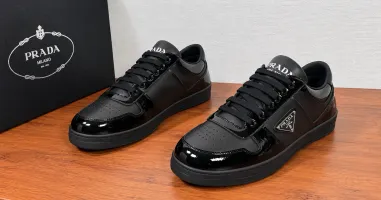
How to Style Prada Downtown Sneakers for Work, Weekends and Travel
A more restrained combination usually makes this fuller sneaker easier to wear across different settings. Straight or moderately roomy trousers suit its proportions, while sharper fabrics can move Prada Downtown sneakers toward casual offices and simpler denim or light layers can carry them through weekends and travel.
The main styling decision is whether the footwear should sit quietly within the look or provide its strongest point of interest. Once that is clear, trouser cut, color and material become easier to coordinate.
1. Start With the Proportion of the Shoe
The first styling decision is not color. It is proportion.
This model carries more presence than a slim low-profile sneaker, so very tight pants can make the footwear appear disproportionately large. Straight cuts, softly tapered trousers and wider contemporary silhouettes create a smoother transition from leg to shoe.
Fabric around the ankle matters too. A trouser that finishes clearly above the upper creates a different effect from one that falls slightly over it, but either can work when the proportions look intentional.
That does not mean every combination needs oversized clothing. There simply needs to be enough room around the footwear for its profile to sit comfortably within the overall silhouette.
Once that balance works, the remaining choices become easier.
2. How to Make the Sneaker Work for a Smarter Casual Look
A more polished combination can pull the design away from its court-inspired origins.
For Prada Downtown men shoes, wool trousers, a fine knit or a simple overshirt can add enough refinement for a smarter casual setting. Darker footwear can make the transition smoother when the trousers stay within a similar tonal range.
The contrast is strongest when the clothing feels composed rather than overtly athletic. A textured knit or softly structured jacket can introduce interest without competing against the sneaker.
This lets the footwear remain recognizable without turning the entire look toward sportswear.
3. Use Denim to Keep the Styling Simple
Denim provides an easy everyday base because it already sits between casual and slightly sharper dressing.
Straight blue jeans let the footwear remain noticeable without forcing everything else to revolve around it. Dark denim creates a more polished effect, while washed finishes move the look toward weekends.
Hem length matters. Enough of the upper should remain visible instead of disappearing beneath excess fabric, particularly when the shoe has contrasting panels or noticeable branding.
A plain shirt, knit or lightweight jacket is usually enough above it. The aim is to create something repeatable rather than build every element around the sneaker.
4. When the Shoe Should Become the Main Accent
Some combinations benefit from letting the footwear carry most of the identity.
Neutral trousers, a restrained top and simple outerwear leave enough space for Prada Downtown to become the main designer element.
This works particularly well when the pair already has material contrast or recognizable branding. A quieter background also makes the sole, panel construction and logo placement easier to notice.
Once the shoe is doing most of the work, the remaining pieces can stay understated.
The result usually feels stronger when one element leads clearly instead of several pieces competing for attention.
5. How to Wear the Design Around a Casual Office
The easiest office approach is to make the sneaker the informal element in an otherwise polished combination.
Pleated trousers, knitwear, an unstructured jacket or a simple overshirt can provide enough refinement without moving into formal business dress. A shirt can work as well, particularly when the rest remains understated.
Neutral shades such as black, charcoal, navy or cream make the footwear easier to integrate and reduce the chance of the sneaker appearing disconnected from the rest.
The overall balance matters more than trying to dress the shoe up aggressively.
This direction works best in offices where sneakers are already accepted. A stricter dress code still calls for more formal footwear.
6. Weekend Styling Can Carry More Texture
Weekends allow the design to move closer to its sporty side.
Denim, canvas, knitwear and textured outer layers can all work because the combination no longer needs the same degree of polish. This is also where mixed-material versions become easier to use without looking overly considered.
Smooth leather creates contrast against casual pieces, while suede or technical fabrics can sit comfortably beside textured outerwear.
There is no need to repeat the same finish from head to toe. A controlled mix of smooth and tactile surfaces usually creates more depth.
A little contrast adds interest; too many competing materials can make the result unnecessarily busy.
7. How Color Changes the Styling Direction
Color determines whether the footwear settles into the rest of the look or becomes one of its strongest points.
Dark versions work well when you want a smoother transition from trousers to footwear. They can also reduce some of the contrast created by the thicker sole.
By contrast, lighter Prada Downtown shoes pull more attention toward the lower half. White or pale tones can give simple combinations a fresher finish, especially when the clothing above remains understated.
The surrounding palette matters as much as the shoe itself. Related tones create continuity, while stronger contrast makes the sneaker more prominent.
Neutral clothing makes either direction easier to manage.
8. Keep the Same Visual Direction Across a Travel Day
Travel can move quickly between airports, hotel spaces, restaurants and city walking, so the sneaker works best when the surrounding clothing does not require a complete reset between each setting.
A straight trouser, simple knit or lightweight outer layer can keep the look composed enough for transit while still feeling casual once the day becomes less structured. Denim can shift the same footwear further toward off-duty use without changing the overall direction.
If you are still deciding whether the model itself fits the way you dress and use your shoes, the Downtown wearing perspective covers the broader considerations before choosing the pair.
The important distinction is between visual versatility and physical demands. A sneaker may transition easily between settings while still needing to be judged separately for long periods of walking.
That makes Downtown most convincing on travel days where the clothing changes context more than the footwear does.
9. When Less Sportswear Creates a Stronger Result
Athletic references are already built into the design, so repeating them throughout the entire look is not always necessary.
Straight trousers, simple knitwear and restrained outerwear create contrast and allow the sneaker’s construction and branding to remain noticeable without adding another strong sportswear layer.
That is where Prada Downtown men sneakers can become more flexible than their court-inspired background suggests. Changing the clothing around the shoe shifts its context without changing the footwear itself.
This is useful for someone who wants to wear the same pair on different days without repeating one styling formula.
A more restrained surrounding look can therefore expand how frequently the sneaker feels appropriate.
10. Which Styling Direction Gives Downtown the Most Range?
The most useful direction is the one that lets the sneaker keep its identity without forcing every combination to look the same.
Darker tones and sharper fabrics can make the shoe feel more controlled. Denim and textured layers can push it toward weekends, while lighter pieces can soften the overall result.
The common thread should be proportion and restraint rather than one fixed formula.
If those elements already exist in the way you dress, the sneaker can move across several settings without needing a completely different styling strategy each time.
James Anderson
James Anderson is a luxury footwear writer specializing in designer shoes,fashion craftsmanship,and timeless style.He explores the materials,construction,heritage,and design philosophy behind iconic footwear brands,providing practical insights into choosing and styling luxury shoes for different occasions.His guides help readers understand the details behind premium footwear and how these pieces fit into modern wardrobes.