
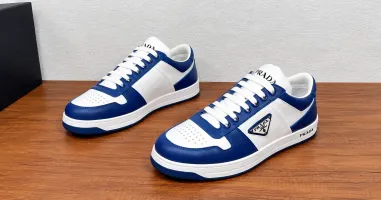
How Do Prada Downtown Sneakers Fit? Comfort, Sole and Daily Wear Explained
Prada Downtown sneakers use a court-inspired construction rather than the soft setup of a performance running shoe. A 35 mm lightweight box sole and removable leather-covered insole define the underfoot experience, while upper material, foot shape, socks and sizing can all affect comfort during regular wear.
Fit therefore deserves more attention than the size number alone. The key question is whether you prefer a sneaker that feels substantial and controlled underfoot instead of highly cushioned or flexible.
1. What Should You Expect From the Fit?
Downtown has a firmer foundation than a lightweight athletic sneaker.
The upper, box sole and defined panel construction are designed to retain a clear profile rather than wrap closely around the foot. That does not automatically make the shoe restrictive, but it changes what to expect when trying it on.
Forefoot width, heel position, sock thickness and preferred room all influence the result.
A size that works well for one wearer should not be treated as a universal recommendation.
2. Why the Sole Changes the Wearing Experience
A major part of the sensation comes from the base. Current Prada Downtown men shoes use a lightweight 35 mm box sole, creating more separation from the ground than a very flat leather sneaker.
That foundation can make each step feel more defined and less flexible than footwear built around a thin sole.
Thickness should not be confused with cushioning. A substantial base does not automatically create a soft performance-style ride, so the shoe is better judged according to its own construction.
3. How the Upper Material Can Affect Flexibility
Upper material can influence how the shoe behaves around the foot even when the silhouette remains similar.
Standard leather creates a firmer shell. Nappa uses lambskin and moves in a softer direction, while Re-Nylon and suede introduce contrasting surface properties across the upper.
That does not mean one version will automatically work better for every foot.
Pressure near the forefoot, overall width and lacing tension can matter just as much as material choice.
4. What the Removable Insole Changes
Current versions use a removable leather-covered insole.
That provides some flexibility inside the shoe and makes it easier to assess available internal space.
It does not mean every aftermarket insert will work correctly. Added thickness can reduce volume or alter heel position.
For normal wear, it makes more sense to judge the original setup first before making changes.
5. How the Toe Area Feels During Normal Walking
Forefoot comfort depends heavily on how the foot sits inside the upper.
During walking, the toes need enough room to move without the foot sliding excessively. A pair that feels acceptable while standing can behave differently once the forefoot begins flexing repeatedly.
This is a useful stage to check the actual Prada Downtown shoes before making a final decision.
Pay attention to side pressure, toe clearance and whether tightening the laces changes the fit.
Those observations are more useful than relying on the size label by itself.
6. Does the 35 mm Sole Feel Heavy?
Sole height and overall weight are separate questions.
The 35 mm base gives the shoe more substance underfoot, but the box sole is designed to remain relatively light.
What stands out during wear will depend partly on your usual footwear. Someone moving from thin leather sneakers may notice the larger foundation immediately, while a wearer familiar with modern court-inspired shoes may find the transition easier.
Walking, turning and changing pace reveal more than simply holding the shoe in your hand.
7. How Comfortable Are They for Several Hours?
Comfort over several hours depends on more than construction specifications.
Foot width, socks, distance and standing time all influence the outcome. A pair that works well during commuting and shorter city walks may behave differently during a full day spent moving.
Correct fit matters more than hoping the upper will loosen enough to solve an initial pressure point.
If a very soft ride or deep cushioning is the priority, footwear designed around those needs may make more sense.
8. How Should You Think About Sizing?
When choosing Prada Downtown men sneakers, start from the way the shoe actually sits on your foot rather than copying the size used in another Prada model.
Check four areas:
heel movement;
forefoot pressure;
toe clearance during walking;
whether lacing secures the foot without excessive tightness.
Material can change perception as well. A firmer upper may create a more defined hold, while a softer construction can respond differently around the foot.
If you are between sizes, focus on where extra space or pressure appears instead of automatically sizing up.
9. What Changes After the First Few Wears?
Some upper materials may become less rigid through use, but that should not replace choosing the correct fit from the start.
Leather can respond differently depending on the wearer, frequency of use and areas receiving repeated flex. Nappa and mixed-material versions may also change in their own ways.
A shoe that begins slightly firm is not the same as one that creates clear pressure or insufficient toe room.
If you still need to decide whether the model itself matches your needs, the main Downtown overview covers its broader design direction and buying considerations.
10. When Downtown Makes Sense for Daily Walking
For commuting, shopping, airports and moderate city use, Prada Downtown sneakers can work well for someone who prefers a more substantial designer sneaker over performance-focused footwear.
The removable insole and lightweight 35 mm box sole are relevant construction points, but neither replaces an individual fit check.
Distance still matters. A normal commute and several hours of continuous sightseeing place very different demands on footwear.
Judge the pair against the kind of movement you encounter most frequently.
11. Who May Prefer a Different Sneaker Experience?
This design may not suit someone who wants an extremely soft step, high cushioning or the flexibility associated with a running shoe.
The same applies if long-distance walking is the main purpose.
A fashion-led sneaker can still be comfortable when fitted correctly, but its priorities differ from footwear developed mainly for athletic use.
Knowing that distinction before purchase makes the final choice easier.
12. How to Decide Whether the Fit Works for You
Judge the shoe during movement rather than only while seated.
Walk enough to notice heel security, forefoot pressure and toe clearance, then decide whether the underfoot setup matches the type of sneaker you normally prefer.
The right pair should feel secure without excessive lace tension, and there should be no need to depend on major break-in to correct discomfort.
If the fit works from the start and the firmer underfoot character matches your routine, the model can make sense for mixed daily use. If extended walking or deep cushioning matters more, another footwear category may be the better choice.
James Anderson
James Anderson is a luxury footwear writer specializing in designer shoes,fashion craftsmanship,and timeless style.He explores the materials,construction,heritage,and design philosophy behind iconic footwear brands,providing practical insights into choosing and styling luxury shoes for different occasions.His guides help readers understand the details behind premium footwear and how these pieces fit into modern wardrobes.