
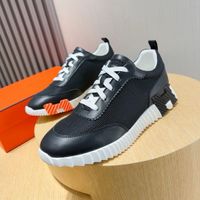
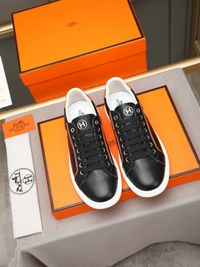
Comfort in a luxury sneaker depends on more than price,appearance,or a soft insole.Fit,upper material,lining,sole flexibility,and the amount of walking all influence how the shoe feels after the first few minutes.
Buyers comparing available designs can begin with hermès men sneakers.Because shapes,materials,and internal padding vary between designs,no single answer applies to every pair or every foot.
Rather than asking whether an entire category is comfortable,ask whether a specific design matches the wearer's foot shape,walking habits,and daily routine.
What Comfort Really Depends On
A comfortable pair should hold the heel securely,allow the toes to move without pressure,and keep the foot centered while walking.Soft materials cannot correct a shoe that is too short,too narrow,or unstable around the heel.
Initial softness can create a positive first impression,but comfort after several hours depends on how the complete shoe works with the foot.The upper,lining,insole,sole,and overall shape all contribute to that experience.
This is why fit should be evaluated before color or decorative details.A visually appealing pair will receive limited use if it creates pressure during normal movement.
Test the Fit in Three Areas
Length should allow the toes to rest naturally without touching the front of the shoe.The foot should not slide forward when stopping or changing direction.
Width should feel secure without compressing the forefoot.Pressure along the sides may indicate that the shape is not compatible with the wearer's foot,even when the numerical size appears correct.
Heel hold matters as well.A small amount of natural movement may occur,but repeated lifting can create friction and make the shoe feel less stable during longer walks.
Walk on a clean indoor surface before deciding.Take normal steps,turn in both directions,and stop several times.This reveals more than standing still in front of a mirror.
Recreate the Way You Will Wear Them
Try the shoes with the same sock thickness expected during regular use.A thin dress sock and a thicker casual sock can change internal space,heel hold,and pressure across the instep.
Feet may also feel fuller later in the day or after extended walking.When possible,evaluate the fit under conditions that resemble the intended routine rather than relying only on a brief morning fitting.
Do not assume that the same numerical size will feel identical across every design.Upper structure,padding,and the shape used to build the shoe can change how different models fit.Check the size information supplied for the specific pair instead of relying entirely on a previous purchase.
Understand How Materials Change the Feel
Smooth leather often feels more structured during the first few wears and may soften slightly as it flexes.Fabric and mixed-material constructions may offer greater flexibility or airflow,but their feel still depends on lining,padding,and overall construction.
Material should therefore be judged by its effect on movement rather than appearance alone.A flexible upper can still feel uncomfortable if internal seams create pressure,while a structured design may feel secure when its shape matches the foot correctly.
Run a hand carefully around the inside of the shoe when possible.Check for raised seams,firm edges,or uneven areas near the toes and heel.Small points of irritation can become more noticeable during longer wear.
Material also affects maintenance.A buyer who expects frequent use should consider whether the upper can be cared for realistically within an existing routine.
Look at the Sole as Well as the Upper
The upper receives most of the visual attention,but the sole has a major influence on walking comfort.A useful evaluation should include forefoot flexibility,heel stability,weight,and the way the shoe contacts the floor.
A very soft first step does not automatically guarantee sustained comfort.The foot should remain stable rather than moving excessively inside the shoe,and the sole should flex in a way that follows a natural step.
Weight matters during longer periods of wear.A substantial sole may feel stable,but it may also require more effort over an extended day.A lighter construction can feel easier during movement,but it still needs enough structure to keep the foot controlled.
Luxury lifestyle sneakers are not automatically substitutes for footwear designed specifically for running,training,or other athletic activities.The intended use should remain realistic.
Treat Break-In Realistically
Some leather uppers become more flexible after several short periods of wear.That gradual change can improve movement around natural flex points,but it should not be used to justify obvious fit problems.
Break-in should not require enduring sharp pressure,toe contact,or repeated heel friction.A shoe that is clearly too short or severely narrow is unlikely to become comfortable simply through continued use.
Begin with shorter indoor or local outings before wearing a new pair through a full travel day.This provides time to identify pressure points without committing to several uninterrupted hours.
If discomfort appears in the same location each time,the issue may come from fit or construction rather than a temporary adjustment period.
Match the Pair to the Amount of Walking
A short dinner,an office commute,and an airport day create different comfort demands.When comparing hermès sneakers for men,consider how many hours the shoes will normally be worn and how much of that time will involve standing or walking.
A pair intended for brief social occasions does not need to perform like footwear used for daily city movement.However,a buyer planning to use the same sneakers for commuting,travel,and weekend activities should place greater importance on heel security,sole flexibility,and internal pressure.
Test the pair against the most demanding realistic use,not an activity that is unlikely to occur.This produces a more accurate buying decision without expecting one sneaker to handle every situation.
Protect Comfort Through Care and Rotation
Comfort can change as materials collect moisture,dirt,or repeated compression.Care should follow the instructions appropriate for the specific upper,lining,and sole rather than using the same method on every material.
Allowing a frequently worn pair time between uses can help it dry naturally and return to its usual shape.Avoid direct heat,which may affect certain materials or adhesives.
Regularly check the outsole,heel lining,and insole for uneven wear.A change in one area can alter how the foot sits inside the shoe,even when the exterior still appears presentable.
Rotation is especially useful for men who walk frequently.It allows different pairs to serve different levels of activity instead of placing every demand on one design.
Know When Another Category Makes More Sense
Sneakers may provide everyday comfort,but they are not the right answer for every setting.A schedule dominated by traditional business clothing,formal dinners,or strict dress expectations may require a more polished category.
Readers comparing options for those situations can continue with this guide to hermès men's dress shoes.
The decision should be based on both physical comfort and social context.A sneaker may feel comfortable on the foot while still being too casual for the event.
Use a Final Comfort Check
Before deciding,confirm that:
The toes can move without touching the front
The forefoot feels secure without compression
The heel remains stable during normal steps
The foot does not slide forward when stopping
No internal seam creates a concentrated pressure point
The sole flexes naturally during walking
The weight feels manageable for the intended duration
The pair suits the actual amount of daily movement
When assessing hermès men's sneakers,comfort should be treated as a match between the specific design,the wearer's foot,and the day ahead.A careful fit check provides more useful information than appearance,price,or first-step softness alone.