
James Anderson | Aug 5

Best Hermès Men Shoes for Work,Dinner,and Formal Events

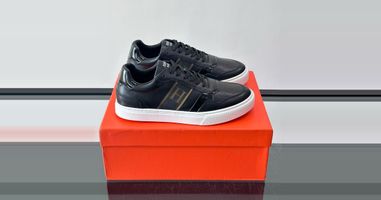
For conservative offices and formal events,a black lace-up is the safest choice.A dark leather loafer works better when business-casual days regularly continue into dinner.For a casual workplace with substantial walking,a restrained leather sneaker may be the most practical option,but it should not be expected to handle strict formal dress.When choosing hermès men shoes,start with the least casual setting that appears regularly,then check commuting distance,standing time,and the trousers already worn most often.


If one pair must cover several settings,do not judge it only while seated at a desk.Think through the entire day walk to work,a client meeting,the arrival at dinner,and any event where photographs or introductions make the footwear more visible.The right pair should look appropriate during the hardest part of that sequence and remain comfortable through the hours around it.


1.Let the Dressiest Part of the Schedule Lead


Most men spend more time in casual settings than formal ones,but time alone does not decide the right purchase.A shoe may work for eight ordinary office hours and still feel wrong during a thirty-minute presentation to senior clients.The least casual part of the day often has greater influence than the longest part.


Three questions make the decision clearer:


• How often does the formal setting occur?


• How noticeable would underdressing be there?


• Would changing shoes during the day be realistic?


A weekly client meeting deserves more weight than an annual invitation.A rare black-tie event,however,should not force every work shoe into eveningwear if a separate formal pair already exists.


Do not assign an attractive shoe a role it cannot perform.A substantial sneaker may suit denim yet remain too casual for a suit-led office,while a delicate dress shoe can become tiring on a long commute.Define the category before considering color or decoration.


2.The Safest Choice for Traditional Offices


In a conservative office,the shoe should support the tailoring rather than compete with it.A clean leather lace-up works with navy,charcoal,and dark gray suits.Black is the safest choice when suits are frequent,client expectations are traditional,or formal business events appear on the calendar.


The shoe does not need to look ceremonial.A moderate shine,a stable heel,and a sole that does not appear heavy are usually easier to wear through a normal workweek.Excessively glossy leather may feel reserved for evening dress,while a thick casual sole can reduce the authority of otherwise formal clothing.Avoid either extreme for regular office use.


Structured shoes need usable toe room,a secure heel,and a flex line that follows the foot.A pair that relies on painful wear before becoming acceptable is unsuitable for regular business use.


3.What Works in a Business-Casual Workplace


Business casual means different things in different workplaces.A law office without mandatory suits and a creative studio with denim may use the same label,but they do not ask the same thing from footwear.Look at what decision-makers and client-facing colleagues actually wear,then choose a pair that fits that standard.


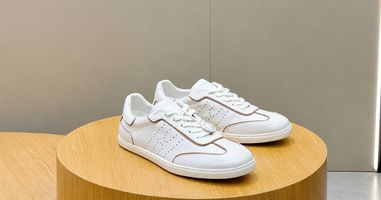
A streamlined leather loafer handles the middle well.It works with chinos,wool trousers,and an unstructured jacket,and it can continue into dinner without making the outfit feel overly formal.A discreet leather sneaker can suit offices where tailored clothing is optional,but its sole,branding,and overall bulk should remain controlled.


Once the dress code is clear,reviewing hermès footwear for men at work and evening events makes more sense than browsing without a defined role.By then,the choice has a job for traditional business dress,loafer for flexibility,or sneaker for a walking-heavy day.


4.From the Office to Dinner Without Changing Shoes


A dark leather loafer usually handles the office-to-dinner shift best.It is easier with an open-collar shirt than a formal lace-up,yet more considered than most sneakers when the destination is a polished restaurant.The absence of laces also gives the shoe a cleaner transition from structured daytime clothing to a less formal evening outfit.


Among hermès men shoes,look for a restrained upper,a non-sporty sole,and a shape that works beneath chinos and tailored trousers.Bold hardware,contrast soles,and prominent color can be effective,but each makes the pair more dependent on a particular outfit.


Test the intended trousers with the shoe while standing,walking,and seated.If it feels formal by day or casual beside the dinner jacket,the pair is not doing both jobs well.A dark tonal sock supports work;finer texture sharpens the evening look.


5.Choosing Shoes for Dinner Without a Work Dress Code


Dinner is not one fixed level of formality.The venue,the reason for gathering,and the clothing worn by the group matter more than the word itself.


• A neighborhood dinner works with a clean sneaker,loafer,or casual leather shoe.


• A business dinner usually favors a loafer or lace-up,especially when jackets are expected.


• A polished restaurant allows more personality,but the shoe should still look deliberate beside the trousers.


• An invitation-led dinner may require a traditional dress shoe if the stated dress code is formal.


For a dinner-only purchase,a loafer often offers the broadest use.It can work with dark denim at one end and tailored trousers at the other.The deciding details are the upper shape,the sole,and the amount of decoration.A slimmer profile reads more dressed,while a substantial outsole moves the shoe toward casual territory.


Evening lighting can emphasize texture and hardware,so those details should support the outfit rather than dominate it.


6.What Formal Events Actually Require


Formal events are less forgiving than everyday work.A daytime wedding,a company ceremony,and a black-tie dinner may all involve tailoring,but they do not create the same footwear requirement.


For a suit-based wedding or business ceremony,a refined lace-up is the dependable answer.A loafer may also work when the event leans contemporary and the rest of the outfit is carefully controlled.For strict evening dress,traditional dark footwear remains the safer direction;casual soles and athletic construction introduce a mismatch that tailoring cannot fully correct.


When considering hermès dress shoes for men,look beyond the upper.The edge of the sole,the heel shape,and the transition between trouser hem and shoe determine whether the result reads as business attire or event dressing.A formal pair should look composed from several feet away,not only reveal its quality during close inspection.


With an unclear invitation,use the clothing instruction first.A suit favors dark formal footwear;cocktail attire can accept a sleek loafer or lace-up.Without a stated code,consider the venue,time,and host's usual style.


7.Loafers,Lace-Ups,or Leather Sneakers?


Each category solves a different problem.The choice becomes easier when judged by where it stops working rather than where it looks acceptable.


• Lace-ups cover traditional offices,formal meetings,suits,and most ceremony-led events.The tradeoff is reduced ease with highly casual clothing.


• Loafers cover business casual,dinner,travel with short walking distances,and many suit combinations.Their formal range changes substantially with shape,sole,and finish.


• Hermès men sneakers suit casual offices,commuting,and days built around movement.They can look refined with smart-casual clothing,but they remain the weakest option for strict formal dress.


Once the choice has narrowed to sneakers,the Bouncing vs Match everyday comparison shows how sole presence,trouser shape,and repeated daily use can change which pair works better.


Versatility only matters when it matches use.A man in suits four days a week gains little from a weekend-friendly sneaker,while a city commuter in a casual office may wear a leather sneaker far more than a formal pair kept under the desk.


8.When a Loafer Becomes the Most Useful Pair


Loafers create the greatest overlap between work and dinner,but the category varies widely.Some sit close to lace-ups;others behave more like driving shoes.The construction makes the difference.


A close-fitting heel,a composed upper,and a defined sole edge make hermès loafers for men easier to place with tailored trousers.A very soft structure,highly flexible sole,or pronounced casual detail works better with chinos and denim.Vamp height also affects the view beneath the trouser hem higher vamp creates more visual continuity,while a lower opening exposes more sock and feels lighter.


If one pair needs to serve both settings,the guide to loafers for work and special occasions offers a closer comparison.Ask whether the pair remains composed with the most structured trousers it will meet and still feels easy with the least formal outfit in the planned rotation.


Small hardware can sharpen a plain outfit,but a prominent treatment makes repeat wear more visible.For a first work-to-evening loafer,proportion usually adds more range than ornament.


9.Use Color and Finish to Control Formality


Color alone does not determine how dressed a shoe looks.The same black pair can appear formal with smooth leather,a refined sole,and restrained construction,or casual with grain,contrast stitching,and a substantial outsole.Brown can move from businesslike to weekend-oriented through the same changes.


With hermès men shoes,judge the complete design rather than the color alone.A buyer choosing black for formal use still needs to examine sole thickness,texture,and overall shape.A buyer choosing brown for business casual should consider whether the tone works with the navy,gray,olive,or tan trousers already in regular use.


Finish changes daily upkeep as well.Smooth leather gives a cleaner line but shows scuffs sooner.Textured leather is more forgiving in regular use but often looks less ceremonial.Suede brings depth to evening and smart-casual clothing,though it rarely replaces a traditional formal pair.


Compare the shoe with both extremes of its planned use.If either outfit feels forced,the pair belongs to a more specific role.


10.Account for Commuting,Standing,and Long Evenings


A shoe can meet the dress code and still fail the day.A pair worn from morning until late dinner may need to handle pavement,stairs,office flooring,and extended standing.The hardest hour deserves more attention than the first five minutes of a fitting.


Check the following areas:


• The heel should remain stable on stairs and during a quick walking pace.


• The forefoot should allow normal expansion later in the day.


• The sole should bend where the foot bends rather than resisting each step.


• The instep should feel secure without concentrated pressure.


• The outsole should provide enough grip for the surfaces used most often.


A commuter does not always need a sneaker.A well-fitting loafer with suitable construction may handle a moderate route comfortably.The difference appears when the day includes long outdoor distances,airport connections,or repeated standing.In those cases,a refined sneaker may be the more honest choice,with a separate dress pair kept for formal requirements.


If the schedule combines long walking with strict formal dress,two pairs may work better than one compromise.


When the decision comes down to two different sneaker roles,the Bouncing vs Day sneaker comparison shows how movement,sole profile,and outfit polish can change the better choice.


11.Pairing Shoes With Suits and Smart-Casual Trousers


Shoes and trousers meet in a small area,but that area controls much of the outfit.A slim trouser opening can sit cleanly over a refined lace-up or loafer,while a fuller trouser often needs a shoe with enough structure to avoid appearing undersized.The hem should fall without bunching heavily on the upper.


With suits,the shoe should support the line of the tailoring.Black lace-ups remain the dependable match for charcoal and formal navy.A dark loafer can work with softer tailoring,particularly when the jacket construction and shirt are less strict.Leather sneakers are better reserved for suits intentionally styled as contemporary separates rather than for traditional business dress.


Smart-casual trousers allow more freedom.Chinos,brushed cotton,and textured wool can work with loafers or clean sneakers,provided the shoe's bulk suits the leg shape.The guide to how to wear hermès men shoes with suits and smart-casual trousers examines proportion in more detail when a pair looks uncertain beneath a particular hem.


Check the result while standing;seated positions hide the full relationship between hem,ankle,and upper.


12.Three Buyers,Three Different First Choices


A man who wears suits and meets clients regularly should begin with a black lace-up.It covers the setting where underdressing matters most.A loafer can come second.


Someone moving between chinos,wool trousers,and unstructured jackets will get more overlap from a dark leather loafer.It remains polished at work without feeling stiff at dinner.


A casual-office commuter who moves around the city throughout the day should start with a restrained leather sneaker.A separate dress pair can cover formal invitations.

The useful pair follows repeated use,not versatility in isolation.


13.Questions Buyers Ask Before Choosing


Can Hermès sneakers work in an office?


Yes,when the workplace accepts clean sneakers and the design is restrained.They work best with chinos,smart trousers,and unstructured jackets.They are less suitable for conservative client meetings or offices where suits and traditional leather footwear remain the norm.


Are loafers formal enough for dinner?


Usually,yes.A structured leather loafer can handle business dinners,polished restaurants,and many invitation-led gatherings.The venue and dress code still matter.A soft driving-style shoe belongs to a more casual setting,while a refined loafer can sit much closer to dress footwear.


Can one pair cover work and formal events?


A dark lace-up can cover both when the office is traditional and the events involve suits.A loafer covers business casual and many dinners more comfortably,but it may fall short at strict formal events.One pair can span adjacent dress levels more easily than opposite ends of the spectrum.


Which shoe type works best with a suit?


A lace-up is the safest answer for traditional tailoring.A refined loafer can work with softer or contemporary suits.Leather sneakers require deliberate styling and a permissive setting;they should not be treated as a universal substitute for dress shoes.


Should comfort or formality decide the first pair?


Start with the least casual setting that occurs regularly,then choose the most comfortable pair that meets its requirements.Comfort does not rescue an underdressed shoe,and formality does not justify a pair that cannot be worn through the intended day.


14.Make the Decision in One Minute


Use four checks before committing:


• Name the most formal setting the shoe must enter regularly.


• Estimate the longest walk and standing period in the same day.


• Test the pair with the trousers already worn for that setting.


• Decide whether changing shoes is realistic when the schedule shifts.


For hermès men shoes,those answers should settle the category when suits and formal expectations lead,loafer when work regularly continues into dinner,and leather sneaker for movement-heavy days in a permissive office.The right first pair removes the most frequent compromise from the week instead of chasing every imaginable setting.

James Anderson

James Anderson is a luxury footwear writer specializing in designer shoes,fashion craftsmanship,and timeless style.He explores the materials,construction,heritage,and design philosophy behind iconic footwear brands,providing practical insights into choosing and styling luxury shoes for different occasions.His guides help readers understand the details behind premium footwear and how these pieces fit into modern wardrobes.

Related Posts

<p>Hermès Bouncing vs Match Sneakers:Which Is Better for Everyday Wear?</p><p>Hermès Bouncing vs Match Sneakers:Which Is Better for Everyday Wear?</p>

Hermès Bouncing vs Match Sneakers:Which Is Better for Everyday Wear?

Choose Bouncing if you want a taller,more athletic sneaker that gives casual trousers and larger silhouettes a stronger base.Choose Match if you prefer a lower,cleaner shape that works more easily with straight trousers,denim,and understated everyday outfits.Match is usually easier to integrate into a simple wardrobe,while Bouncing creates a stronger sporty presence.


The Hermès Bouncing vs Match sneakers decision comes down to how much attention you want the shoe to carry and whether everyday dressing should feel easier or more expressive.Neither advantage matters if the sneaker repeatedly forces changes to trousers,jackets,or the way you normally dress.


1.The Everyday Difference Starts With Silhouette


Bouncing and Match can both work as daily sneakers,but they affect an outfit differently.


Bouncing adds more presence near the ground.Its larger sole and athletic character make the shoe an obvious part of the silhouette,which works well with denim,casual trousers,heavier fabrics,and clothing with more volume.


Match sits closer to the trouser line.Its lower shape allows the clothing above it to remain dominant,making the sneaker easier to repeat across simple outfits.


The question is not which silhouette looks more impressive.It is whether the sneaker should reshape the lower half of the outfit or settle into it quietly.


2.Use the Visual-Footprint Test


Before comparing colors or smaller details,decide how much space the sneaker should occupy visually.


Use the Visual-Footprint Test.


A larger footprint works when trousers and outerwear already carry volume.Bouncing can give the bottom of the outfit enough presence to keep those proportions balanced.


A smaller footprint works when clothing is cleaner and less layered.Match can finish that type of outfit without becoming its main feature.


When comparing hermès men shoes,ask:


•Do your trousers fall close to the shoe or away from it?


•Does your outerwear add noticeable volume?


•Do you want the sneaker to become a focal point?


•Would a substantial sole improve the outfit or interrupt it?


Base the answer on clothes already worn regularly,not on which sneaker looks more dramatic by itself.


3.Bouncing Adds More Ground Presence


Bouncing is stronger when the lower half of an outfit needs more substance.


That matters with relaxed trousers,denim,and larger casual silhouettes.A substantial sneaker remains visible beneath wider hems instead of disappearing.


The extra presence can also give simple clothing more character.A plain knit,straight trouser,and minimal jacket can feel more athletic once the shoe becomes a noticeable part of the outfit.


The same strength can become a drawback.A heavier-looking sole beneath light fabric or closely tapered trousers may attract more attention than the rest of the clothing can support.


Bouncing does not simply sit beneath the clothes.It changes their lower proportion.


4.Match Stays Closer to the Trouser Line


Match takes a quieter approach.


Its lower,cleaner shape has a stronger connection to classic low-top sneakers.That makes it easier to place beneath straight denim,chinos,and uncomplicated casual trousers without substantially changing the silhouette.


This is especially useful when the wardrobe already depends on clean lines.


Match does not need extra trouser volume around it.The shoe can remain visible without asking the outfit to become larger or sportier.


That makes this shape attractive among hermès sneakers for men when repeated daily use matters more than maximum visual impact.


The tradeoff appears with much wider or heavier clothing.A low sneaker can look too light beneath a large trouser opening unless length and proportion are controlled.


5.Which Is Easier to Wear Every Day?


For wardrobes built around straight trousers,denim,simple knitwear,and casual jackets,Match is likely to require fewer adjustments.


That makes it easier for someone who wants to get dressed quickly without checking whether the shoe overwhelms the trousers.


Match works especially well when:


•The wardrobe is visually restrained.


•Straight-leg trousers appear frequently.


•The sneaker needs to work across several casual outfits.


•Footwear should not control the entire silhouette.


Bouncing becomes more useful when everyday clothing already has greater volume or when a substantial sneaker is part of the intended look.


Among hermès men sneakers,the better daily choice is not automatically the quieter one.Match tends to integrate more easily,but Bouncing can create better balance when the clothing above it needs a stronger base.


6.Comfort Cannot Be Judged From Sole Thickness


A thicker sole can look more cushioned,but appearance does not tell you how the shoe will feel after several hours.A lower sneaker should not automatically be treated as less comfortable either.


Comfort depends on several factors:


•Forefoot space


•Heel stability


•Instep pressure


•Where the sole bends


•How securely the shoe controls the foot


•How fit changes later in the day


One sneaker may feel softer immediately while another remains more predictable after several hours.


Do not reduce the comparison to “Bouncing has a larger sole,so it must be more comfortable.”


Cushioning is what you notice first.Fit is what you notice later.


If long walking or standing matters,test both models independently instead of using sole thickness as a shortcut.


7.Choose the Profile Before the Details


Once you know whether a substantial or low-profile shape works better with your clothing,the rest of the selection becomes easier.


Color,material,and smaller details should refine the decision rather than create it.


A different color does not solve a proportion problem.An attractive finish cannot make a low-profile sneaker work perfectly beneath every wide trouser.


At this stage,compare hermès men shoes within the shape that already makes sense for your clothing,then choose the version whose color and materials repeat most easily through the week.


Use this order:


•Overall shape first


•Trouser balance second


•Fit and movement third


•Color and finishing details last


This keeps visual appeal from pulling the purchase away from the role the sneaker actually needs to perform.


8.Quick Buying Answers


Which is easier to style?


Match is usually easier with straight trousers,denim,and simple daily clothing.Bouncing works better when the outfit benefits from more presence near the ground.


Which looks sportier?


Bouncing.Its larger lower section gives it a stronger athletic character.


Which works better with wide trousers?


Bouncing often provides better balance beneath wider hems.Match can still work,but trouser length becomes more important.


Which works better with straight trousers?


Match usually creates the cleaner transition.


Which is more comfortable?


There is no universal winner.Foot shape,heel hold,forefoot room,and daily walking matter more than silhouette alone.


Which is the easier first purchase?


Match may be easier for a simple,low-profile wardrobe.Bouncing can be stronger when substantial casual footwear already feels natural.


9.Do Not Choose Match Only Because It Looks Simpler


A quieter sneaker is not automatically more versatile.


Match may work easily with clean daily clothing,but that advantage becomes smaller when the wardrobe relies heavily on oversized trousers,large outerwear,or substantial fabrics.


In those situations,the sneaker may not provide enough presence at the bottom.


Everyday versatility is not only about avoiding clashes.It is also about completing proportions.


A sneaker can coordinate with every color in the wardrobe and still feel too light beneath the clothing worn most often.


Ask:


Does the shoe disappear because it is versatile,or because it is too quiet for the outfit?


Easy to combine is not always strong enough visually.


10.Do Not Choose Bouncing Only for Extra Presence


Bouncing creates a stronger impression,but stronger is not automatically more useful.


A substantial sneaker can look excellent with wider denim,casual trousers,and heavier outerwear.Yet the same shape may require more thought with cleaner straight pants or lighter fabrics.


This is why some hermès sneakers for men become highly useful in one wardrobe and unnecessarily dominant in another.


Before choosing Bouncing,ask whether its extra presence solves a real proportion problem.


If the wardrobe already contains several thick-soled or athletic sneakers,the pair may repeat an existing silhouette.If most current sneakers are slim and understated,Bouncing can add a genuinely different direction.


Extra presence should expand the wardrobe,not simply add more bulk.


11.The Trouser Opening Can Decide the Winner


The trouser opening may reveal more than the sneaker viewed alone.


With a narrow-to-medium opening,Match usually keeps a cleaner line from trouser to shoe.The lower shape stays close to the leg and keeps the transition controlled.


Bouncing creates a more noticeable break.The sole becomes visible beyond the trouser line,which works when that stronger base is intentional.


With wider trousers,the relationship changes.


Bouncing can provide enough substance to finish the larger silhouette.Match may require more careful trouser length so the upper remains visible and the shoe does not look undersized.


Think about proportion rather than trouser category.


The shoe needs enough presence to finish the trouser without becoming larger than the outfit around it.


12.Use the Doorway Test


A daily sneaker should reduce decisions rather than create another round of outfit editing.


Use the Doorway Test.


Get dressed in clothes you actually wear,put on the sneaker,and imagine you are already leaving.


Do you want to change the trousers?


Does the jacket suddenly feel too light?


Does the hem need adjusting because the shoe looks larger or smaller than expected?


If Bouncing repeatedly causes those changes,its presence may demand more attention than you want from a daily shoe.


If Match makes the same outfits feel unfinished or too quiet,the lower shape may not provide enough balance.


The better everyday sneaker usually survives the doorway without asking you to restart the outfit.


13.Walking and Long Days Can Change the Ranking


Daily styling should not be separated from actual use.


A sneaker may fit the wardrobe perfectly and still be the wrong purchase if long walking exposes heel movement,forefoot pressure,or an uncomfortable flex point.


Experiences with these models vary,so direct testing is more useful than assuming the larger or smaller sole determines comfort.


When comparing hermès men sneakers for long days,check the pair after the foot has been active rather than judging only the first few minutes.


Notice:


•Whether the heel remains secure at a faster pace


•Whether the forefoot feels compressed later


•Whether the sole bends where the foot expects it to


•Whether standing feels different from walking


If walking is the main reason for buying,the comfort test should outweigh the silhouette test.If walking is moderate,the clothing relationship can take priority.


14.Who Should Buy Bouncing?


Bouncing is stronger when everyday style benefits from a more substantial sneaker.


It suits someone who:


•Wears wider or more casual trousers


•Likes athletic proportions


•Uses heavier jackets or layered clothing


•Wants footwear to add visible character


•Already owns several slim sneakers


•Prefers the shoe to remain noticeable beneath larger silhouettes


It can make a simple outfit more distinctive without depending on bright color.


The larger shape should already fit the wardrobe.Buying Bouncing and then changing trousers to accommodate it reverses the correct order.


15.Who Should Buy Match?


Match is usually stronger for a wardrobe built around clean,repeatable daily combinations.


It suits someone who wears straight trousers,denim,chinos,and simple jackets and wants the sneaker to work without becoming the main subject of every outfit.


Match also makes sense when:


•Low-top sneakers already feel natural.


•Daily dressing needs to stay uncomplicated.


•The wearer prefers quieter proportions.


•A thick sole would duplicate shoes already owned.


•Repeated use matters more than maximum visual impact.


Its strength is that fewer parts of the outfit need to change around it.


16.Which Is Better for Everyday Wear?


Choose bouncing if you want everyday footwear to add a stronger athletic identity and better balance beneath substantial casual clothing.


Choose match if you want a lower-profile sneaker that fits more easily beneath straight trousers,denim,and simple jackets without changing the rest of the outfit.


Neither is automatically more versatile.


Bouncing is more useful when the wardrobe needs a stronger base.Match is easier when the wardrobe already works best with clean,low-profile footwear.


If the decision is still close,choose the pair that requires fewer changes to the clothes you already wear most.
Hermès Bouncing vs Day Sneakers Should You Buy?Hermès Bouncing vs Day Sneakers Should You Buy?
Hermès Bouncing vs Day Sneakers Should You Buy?

Choose Bouncing if walking,commuting,travel,and longer active days matter most.Choose Day if your priority is a cleaner sneaker that works more easily with polished trousers,office clothing,and dinner outfits.Bouncing carries more athletic visual weight and is better suited to movement-first use,while Day gives a casual outfit a more refined and distinctive finish.


The Hermès Bouncing vs Day sneakers decision depends less on which pair looks better in isolation and more on where the hardest part of your normal day occurs.If those hours are spent moving,Bouncing has the advantage.If they involve dressing more sharply,Day becomes more compelling.


1.Bouncing and Day Solve Different Problems


Bouncing and Day occupy the same broad sneaker category,but they do not need to perform the same job.


Within the wider range of hermès men shoes,Bouncing makes more sense when the pair must support an active schedule without looking like performance footwear.It works especially well when casual trousers,denim,travel clothing,and softer outerwear dominate the week.


Day takes a different direction.Its appeal becomes stronger when the sneaker must look deliberate beneath cleaner trousers or when casual clothing needs a more polished finishing point.


The simplest distinction is:


•Bouncing solves movement first.


•Day solves polish first.


That does not mean Bouncing cannot look refined or Day cannot handle ordinary walking.Each design simply starts with a different practical strength.


2.Start With the Hardest Three Hours


Instead of asking which sneaker you would wear more often,identify the hardest three-hour section of a normal day.


If those hours involve airport terminals,long station transfers,city walking,standing between appointments,or several changes of location,the case for Bouncing becomes stronger.


If the difficult part is moving from a clean office outfit into dinner without changing shoes,Day may solve the more important problem.


Consider four examples:


•Long commute followed by an informal office.


•Short commute,clean trousers,and dinner after work.


•Travel day with several miles of walking.


•Moderate walking with a polished social destination.


A purchase should protect the part of the day where the wrong shoe is hardest to ignore.


3.The Main Difference Is Not the Branding


It is easy to focus on visible hermès details,but recognition is only one part of the comparison.


Among hermès men sneakers,the more important difference is how the upper,sole,and overall profile affect the way each design works through a real day.


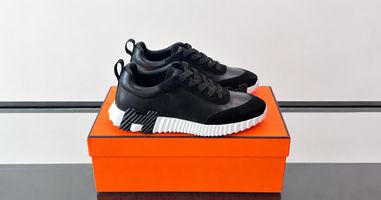
Bouncing has a more athletic stance.The sole carries greater visual presence,and the shoe sits easily beside casual clothing with more volume.


Day is cleaner and more controlled.Its recognizable buckle gives the upper a stronger focal point,allowing the sneaker to contribute more deliberately to an outfit without relying on a substantial sole for presence.


A sneaker with greater visual weight can balance denim,straight casual trousers,and larger outerwear.A cleaner leather profile can sit more easily beneath polished trousers and softer tailoring.


The buckle changes recognition.The construction changes how the shoe works through the day.


4.Which Is Better for Walking?


For a walking-heavy schedule,Bouncing is usually the stronger starting point.


Its more movement-oriented build makes greater sense when the day includes repeated walking rather than a short trip from transportation to a destination.


A sneaker label alone does not guarantee all-day comfort.Day may look like an easy casual shoe,but its polished character should not automatically be treated as evidence that it is better for several hours on foot.


Fit still changes the result.Check:


•Heel movement during a normal stride


•Pressure across the forefoot


•Instep contact after the laces are adjusted


•Where the sole bends during walking


•Whether the toes retain usable space later in the day


The better walking sneaker is not simply the pair that feels softer during the first few minutes.It is the one that still feels appropriate after the easy part of the day is over.


For high-step travel or regular city walking,Bouncing has the clearer advantage.For moderate movement,the decision can shift back toward wardrobe needs.


5.Day Wins When the Outfit Needs More Polish


Day becomes more convincing when the sneaker has to support clothing that already sits above casual streetwear.


Clean straight trousers,softly tailored pants,knitwear,and simple jackets can benefit from a controlled upper and less athletic visual emphasis.


Its advantage is not that it becomes a dress shoe.It remains a sneaker,but it can occupy a cleaner part of the wardrobe without becoming the most casual-looking element in the outfit.


That distinction matters for buyers who already own dependable walking sneakers.Adding another movement-first pair may create more choice without expanding the useful range of the wardrobe.


If the real problem is making casual footwear work with cleaner outfits,Day is likely to add more value.


6.The Sole Changes the Trouser Above It


The sole influences how the sneaker feels underfoot,but it also changes the proportions above it.


Bouncing carries more visual weight near the ground.That can work well with straight-leg trousers,casual pants,denim,and clothing with a little more volume.


Day creates a cleaner lower line.This can work better when the trousers are lighter,more controlled,or intended to create a polished impression.


Neither approach is universally better.A substantial sneaker beneath very light trousers can make an outfit feel bottom-heavy.A lower-profile shoe beneath large casual trousers can lose visual balance.


Once this difference is clear,compare other hermès men sneakers by sole shape,upper structure,and the trousers they need to support.


The right sneaker should not only fit the foot.It should also make sense underneath the clothing worn most often.


7.Quick Buying Answers


Which is better for everyday wear?


Bouncing is usually stronger when everyday wear includes substantial walking and casual clothing.Day becomes more useful when ordinary days involve cleaner trousers,office settings,and moderate movement.


Which is better for travel?


Bouncing is the safer starting point for a trip built around walking.Day may suit a lower-activity trip where restaurants,meetings,and polished clothing matter more.


Which looks more polished?


Day.The cleaner profile and buckle detail give it a stronger connection with refined casual clothing.


Which is easier with casual trousers?


Bouncing generally integrates more easily with denim and movement-first clothing.Day can still work when the rest of the outfit remains controlled.


Should both models be bought in the same size automatically?


No.Evaluate each design independently.A size that works in one construction does not guarantee the same heel hold,forefoot room,or instep feel in another.


8.Do Not Use the First-Five-Minutes Test


A short try-on can create false confidence.


One pair may feel softer immediately.Another may seem more secure because the upper holds the foot closely.Neither reaction shows exactly how the shoe will behave after several hours.


Real-world factors appear later:


•Feet can take up more space during the day.


•Outdoor walking places different demands on the sole.


•Socks alter volume and friction.


•Repeated stairs can expose heel movement.


•Standing may reveal pressure that a short fitting misses.


Use a Later-Day Test instead.


For Bouncing,ask whether its movement advantage continues without unwanted forefoot or heel issues.For Day,ask whether its polished shape remains comfortable enough for the amount of walking actually required.


Do not buy on the assumption that discomfort will automatically disappear later.


9.Work and Dinner Can Reverse the Decision


A sneaker that wins at 9 a.m. may not be the one that wins at 7 p.m.


Consider a workday with substantial commuting,several trips between locations,and casual office clothing.Bouncing may remain the more sensible choice even if Day looks more refined.


Now change the schedule.The commute is short,the office clothing is cleaner,and dinner follows work without a change of outfit.Day becomes more useful because its visual advantage remains relevant for more of the day.


For buyers considering hermès sneakers for men,office use and evening use should be judged together with the amount of movement between them.


Someone who spends most of the day seated does not need to choose for extreme walking.A buyer who regularly walks across a city should not let one dinner reservation determine the entire purchase.


The order of events matters.


10.Decide How Visible You Want the Hermès Detail to Be


The two designs also handle branding differently.


Day places a recognizable hardware detail near the center of the upper.That gives the shoe a clearer visual signature and helps distinguish it from a conventional leather sneaker.


Bouncing spreads its identity across the design rather than allowing one feature to dominate.Its silhouette,sole,and H-related visual language contribute together.


Ask:


Do you want the Hermès detail to lead the shoe or sit inside the design?


Choose the first direction if you want the sneaker itself to become a noticeable finishing element.Choose the second if you prefer the overall shape and construction to create the impression before individual details are noticed.


The difference is not about one approach being more refined.It is about where you want the eye to land first.


11.The Better Sneaker Depends on Your

Trouser Rotation


A shoe should be tested against trousers already worn every week,not against an ideal wardrobe.


Start with three:


•The most frequently worn casual pair


•The most frequently worn work or polished pair


•The pair that is currently hardest to match with sneakers


Bouncing is likely to gain ground when the wardrobe includes denim,straight casual trousers,and more substantial silhouettes.Day may gain ground when clean straight trousers,soft tailoring,and sharper casual pants appear frequently.


Do not require one sneaker to win all three tests.A strong decision can be made when one pair clearly solves the more important two.


Choosing a shoe because it works perfectly with one rarely worn outfit can create unnecessary work for the rest of the week.


12.Foot Shape Can Change the Winner


The comparison becomes less useful if fit is treated as identical for every buyer.


Day's more structured appearance means some wearers may notice upper or forefoot pressure differently from what they experience in a more movement-oriented sneaker.Bouncing should also be tested rather than assumed to suit every foot because it looks more athletic.


Check fit while standing and walking.Pay attention to:


•Forefoot space


•Instep pressure


•Heel hold


•Toe movement


•Pressure after the laces are tightened


•Whether the foot is being held securely or merely compressed


The correct size should create control without depending on excessive tightness.


Do not choose Day because you expect the upper to correct a poor initial fit.Do not choose Bouncing solely because its appearance suggests greater comfort.


Fit can change the answer even when the intended use is clear.


13.Use the Two-Outfit Test


Testing too many hypothetical outfits can make the decision harder.Use only two.


Outfit A


Choose the clothing worn on the most active regular day.It might include denim,casual trousers,a knit top,or an informal jacket.


Outfit B


Choose the clothing worn on the most polished recurring day.It might include clean straight trousers,soft tailoring,or a structured jacket.


If Bouncing wins Outfit A clearly and remains acceptable with Outfit B,the wardrobe may favor Bouncing.


If Day looks substantially better with Outfit B and still handles Outfit A comfortably enough,the extra polish may be more valuable.


If each shoe wins one outfit,the deciding factor becomes frequency.


Do not ask which outfit looks better in photographs.Ask which one represents more of the actual week.


14.Who Should Buy Bouncing?


Bouncing is the stronger choice for a buyer whose footwear needs begin with activity.


It makes particular sense when:


•Walking is part of most weekdays.


•Travel regularly involves airports,stations,or city streets.


•Denim and casual straight trousers dominate.


•The wardrobe already contains more polished footwear.


•A more athletic sneaker proportion works with existing clothing.


•The shoe needs to remain useful through long ordinary days.


Bouncing can occupy the dependable movement position rather than trying to become the most polished pair.


It is also the stronger option for buyers who know they will resent a shoe that looks excellent but forces them to plan the day around how much walking is involved.


15.Who Should Buy Day?


Day makes more sense when the wardrobe already covers serious walking and needs a sneaker with greater refinement.


Choose it when:


•Daily movement is moderate.


•Work and dinner clothing appear frequently.


•Clean straight trousers or soft tailoring are common.


•The buckle detail is part of the appeal.


•You want a sneaker to contribute more visibly to a polished outfit.


•Another shoe already handles walking-heavy days.


For buyers comparing bouncing and Day hermès sneakers,Day becomes more convincing when polish is the missing function rather than walking capacity.


It is strongest when given a clear role instead of being expected to replace every casual and polished shoe.


16.Which Should You Buy?


Choose bouncing if the hardest part of your normal day is movement.


Choose day if the harder problem is making a sneaker look polished enough for the clothing and settings you encounter regularly.


For frequent walking,travel,and casual trousers,bouncing has the clearer advantage.For work,dinner,and cleaner everyday outfits,day is the more convincing choice.


If both advantages matter,ask which problem appears more often and is harder to solve with shoes you already own.


The better sneaker is the one whose advantage appears during the part of the day you cannot easily change.