
James Anderson | 16 days ago

Bally Men Shoes to Choose Between Leather,Mixed-Material,and Technical Sneakers

1.The Quick Answer

Choose leather when work and smarter clothing matter most;choose mixed-material designs when casual flexibility matters more;choose technical designs when long walking,travel,and repeated movement create the harder demand.Among bally men shoes,the stronger option is the one that solves the biggest recurring conflict between dress level,time on foot,and fit.


Material should narrow the decision,not finish it.A leather upper does not prove comfort,a mesh panel does not guarantee breathability,and a substantial outsole does not automatically provide better support.


The final choice should still be checked against sole structure,heel control,forefoot flex,and the trousers worn most often.


2.Start With the Problem the Current Rotation Cannot Solve


A first purchase and a later addition should not follow the same rule.


The first usually needs broad coverage.A later one should solve a capability that is still missing.


Someone who already owns several clean leather shoes may gain more from footwear suited to longer periods on foot.Someone whose current rotation handles travel well but feels too athletic with chinos may need the opposite.


Ask what currently goes wrong:


• Do existing shoes become tiring during long commutes?


• Is there no option that works well with smarter trousers?


• Does travel footwear look too sport-led for dinner?


• Are several existing styles doing almost the same job?


• Is the missing need physical performance or clothing compatibility?


The next purchase should answer a real gap rather than create another overlapping option.


3.Leather Is About Range,Not Formality


Leather is often treated as the dressier choice,but its real advantage is compatibility across several levels of casual clothing.


A restrained leather upper usually creates fewer competing surfaces and panels.That can make bally men shoes easier to combine with chinos,straight trousers,dark denim,and simple jackets when the same shoe needs to cross more than one setting.


That does not make every leather design business casual.Sole volume,branding,contrast panels,and overall proportion can still push the result toward a more casual direction.


Leather also explains only part of the wearing experience.Upper softness affects how the shoe bends around the foot,but underfoot feel depends on the midsole,outsole,footbed,and heel hold.


Choose leather for clothing range,not because the material itself promises greater comfort.


4.Mixed-Material Designs Solve a Different Problem


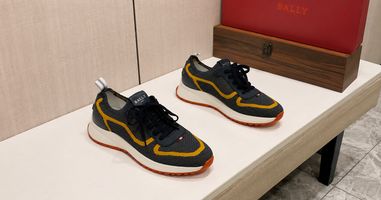
Mixed-material footwear can sit between a clean leather design and a strongly technical one.


Leather,suede,textile,or mesh can reduce visual formality,change flexibility across the upper,and make the shoe easier to combine with denim,casual trousers,and travel clothing.


Some bally men sneakers in this group may also appear less visually dense because lighter textile sections break up the upper,but appearance should not be confused with performance.


A mesh section does not automatically make the whole shoe highly breathable.Lining,padding,and the amount of exposed textile all affect airflow.A flexible panel can also sit beside a much firmer overlay.


This direction makes the most sense when the wardrobe already leans casual and the shoe still needs enough restraint to work beyond purely athletic clothing.


5.When Technical Features Are Actually Worth Choosing


Technical features earn their place when the harder part of the week happens on foot.


Airports,public transit,city walking,standing,and repeated surface changes increase the importance of heel stability,traction,forefoot movement,and underfoot structure.


Look for features that solve specific problems:


• Traction should improve security on repeated outdoor routes.


• Heel structure should control unwanted rear movement.


• The forefoot should bend near the foot's normal flex area.


• Added sole volume should not create unnecessary effort.


• Padding should hold the foot without reducing interior space too much.


If the normal week is mostly seated and the commute is short,these features may matter less than a quieter upper and lower-profile base.


Technical design is worthwhile when it addresses repeated physical demand,not when it simply looks more advanced.


6.The Sole Can Reverse the Upper-Level Choice


The upper gives the first impression.The sole can change the final result.


A clean leather upper can still feel strongly casual when placed on a tall or visually heavy base.A mixed-material upper can become easier to wear with everyday trousers when the outsole remains controlled.


This distinction matters across bally men shoes because material labels do not describe the complete footwear profile.

The sole affects:


• How much of the shoe remains visible beneath the trouser opening.


• How substantial the lower half appears.


• Where the foot bends during a normal stride.


• How much structure sits beneath the heel and forefoot.


Upper and sole should therefore be judged together.A shoe should not be called “smart” simply because it is leather or “walking-first” because its outsole looks substantial.


7.Fit Changes With the Build


The same stated size should not be expected to feel identical across different designs.


Leather can create firmer contact around the forefoot or instep.Mixed-material uppers can distribute pressure differently because textile sections and overlays respond differently to movement.


More technical footwear introduces another variable.Extra heel padding,a thicker tongue,or stronger internal reinforcement can reduce usable space even when the outside looks broader.For this reason,bally men shoes should be judged by internal fit rather than exterior volume.


Check:


• Forefoot room where the foot widens.


• Instep contact beneath the lacing area.


• Heel security during a normal stride.


• Flex position when the forefoot leaves the ground.


Break-in may soften materials and improve bending.It should not be expected to add meaningful length or correct a poor interior match.


8.Which Direction Works With the Trousers You Own?


The trousers already in the wardrobe can remove unsuitable options quickly.


Chinos usually work most easily with a restrained leather upper and controlled sole volume.Straight denim accepts a wider range,including leather and mixed-material designs.


Wider casual trousers can support more substantial footwear because the trouser opening carries greater visual weight.


Wool trousers are less forgiving.A cleaner upper and lower sole presence generally create a smoother transition when the target is business casual.


Do not judge the shoe separately from the hem above it.A strong model can still become the wrong purchase if it works with only a small part of the existing wardrobe.


9.Use the Three-Outfit Test


Before deciding,compare the shoe with three outfits already worn regularly.


Outfit one:a normal work combination.


Outfit two:the most common everyday clothing.


Outfit three:a travel or weekend combination.


If the shoe works convincingly with only one,it is specialized.If it works with two,it may be a strong secondary option.If it works with all three,it has passed the clothing test.


Then apply the harder test it still perform during the longest realistic period on foot?

A shoe that looks versatile but becomes distracting after extended wear fails the week.A highly supportive design that forces clothing changes every time creates the opposite problem.


The strongest first-purchase candidate passes both tests.


10.Narrow the Search After the Direction Is Clear


Broad material comparisons become less useful once the required direction is known.


Someone who has already decided that restrained leather makes more sense should compare individual soles,fit,and proportions within that group.The same applies to someone who needs mixed or technical footwear.


At that stage,the current men's shoe selection becomes the more relevant comparison set because the decision can move from broad categories to specific models.


Keep the original filters in place:


• Required time on foot.


• Highest regular dress level.


• Trouser compatibility.


• Fit through several hours.


A model should win because it handles those requirements better,not because the shortlist became more visually interesting.


11.First Purchase vs Second Purchase


A first purchase should cover the largest useful section of the week.


For someone whose schedule includes work,moderate commuting,and dinner,a restrained leather design may provide the greatest range.For someone who walks heavily or travels frequently,a more supportive option may deserve the first position even if it covers fewer polished settings.


The second purchase should add something the first cannot do well.


A clean work-oriented shoe followed by a walking-focused option creates two distinct functions.A technical style followed by restrained leather can create the same improvement from the opposite direction.


Two nearly identical designs in different finishes usually add less practical range.


12.When a Specific Model Comparison Becomes More Useful


Broad categories should stop guiding the decision once two specific models solve the same general need.


At that stage,the meaningful questions become more precise:


• Which heel structure holds better?


• Which sole bends more efficiently?


• Which upper creates less pressure around the instep?


• Which model works with the trousers worn more often?


• Which one handles the harder part of the week with fewer compromises?


Once those differences become the focus, the Competition vs Bally Lift comparison provides a closer look at how two leather sneakers approach sole construction,styling compatibility,and everyday use.


This is where model-to-model comparisons become more useful than another broad guide to bally men sneakers.


Once the category is settled,compare only the factors capable of changing the final purchase.


13.Three Warning Signs the Direction Is Wrong


The first warning sign is wardrobe compensation.


If several regularly worn trousers need to be avoided simply to make the shoe work,the design may be too specialized for the intended job.


The second is comfort that disappears with time.Softness during the first ten minutes should not outweigh heel movement,forefoot pressure,or poor flex later.


The third is a weak functional reason for the purchase.


A highly technical design may look compelling,but if the week rarely includes long periods on foot,its strongest features may solve a problem that does not occur often.The opposite can happen with restrained leather that looks right at work but under-serves a walking-heavy commute.


The right choice should make the week easier,not create repeated compensation elsewhere.


14.The Final Construction Decision


Choose leather when clothing compatibility,work,and transitions into smarter casual settings create the hardest recurring demand.


Choose mixed-material designs when the wardrobe is more casual and the shoe needs greater flexibility without moving fully into a technical direction.


Choose technical designs when long periods on foot,travel,public transport,or repeated urban walking matter more than office versatility.


When comparing bally men shoes,do not ask which direction appears most advanced.Ask which capability is hardest to replace with footwear already owned.


If two options remain equally convincing,choose the one that adds the more useful missing function.


The strongest purchase solves a clear problem without creating a larger one elsewhere.


Common QuestionsAre Leather Bally Shoes Better for Everyday Wear?


Leather can be the stronger everyday choice when chinos,workwear,and smarter casual clothing appear regularly.It should still be judged by sole structure,fit,and extended comfort rather than material itself.


Are Mixed-Material Shoes Better for Travel?


They can be when the design combines usable flexibility with a restrained overall profile.Material mixing itself does not guarantee better travel performance.Heel control,underfoot structure,and weight matter more.


Do Technical Soles Make Men's Shoes More Comfortable?


Not automatically.A technical outsole may improve traction or support,but comfort still depends on flex position,weight,heel security,and how the foot fits inside the shoe.


Which Type Works Best With Chinos?


A lower-profile leather design is usually the easiest starting point.Mixed-material footwear can also work when panel contrast and sole volume remain controlled.


Should a First Pair Be Leather or More Sport-Influenced?


Choose leather when dress flexibility is harder to solve.Choose a more sport-influenced design when long walking and travel create the larger recurring demand.The first purchase should address the part of the week existing footwear handles least effectively.

James Anderson

James Anderson is a luxury footwear writer specializing in designer shoes,fashion craftsmanship,and timeless style.He explores the materials,construction,heritage,and design philosophy behind iconic footwear brands,providing practical insights into choosing and styling luxury shoes for different occasions.His guides help readers understand the details behind premium footwear and how these pieces fit into modern wardrobes.

Related Posts

Bally Men Shoes vs Bally Lift—Which Leather Sneaker Is Better for Everyday Wear?Bally Men Shoes vs Bally Lift—Which Leather Sneaker Is Better for Everyday Wear?
Bally Men Shoes vs Bally Lift—Which Leather Sneaker Is Better for Everyday Wear?

1.The Quick Answer


Competition is the stronger choice when you want a quieter tennis-inspired leather sneaker that works easily with chinos,straight trousers,and understated casual clothing.Bally Lift makes more sense when you prefer a cup-sole design with stronger brand character and a more noticeable casual presence.For bally men shoes,the better choice comes down to sole structure,fit,and how well each option fits the week.


Neither wins every situation.A first purchase usually benefits from broader outfit compatibility,while a later addition can bring more character or cover a different use.


The final decision should come from how the shoe will actually be worn,not from the name on the box.


2.They Solve Different Everyday Problems


Competition and Lift sit in the same leather-sneaker category,but they answer different wardrobe needs.


Competition follows a cleaner tennis-inspired approach.It is easier to place into an outfit without making the footwear the strongest element.


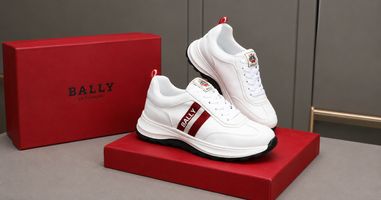
Lift has more visible character.The signature ribbon and cup sole make the sneaker more noticeable,which suits someone who wants the shoe to contribute more to casual styling.


The difference is simple:


Competition reduces styling friction.

Lift adds more sneaker presence.


3.Competition Starts With Tennis Heritage


Competition draws from a tennis-influenced design.Current examples use calf leather,Strobel construction,and a rubber sole,while the B-Wing element connects the shoe with the brand's sporting references.


Those facts explain the design language,but they do not prove greater comfort or quality by themselves.


The cleaner court-inspired form works easily with chinos,dark denim,and simple jackets when one shoe needs to cross several casual dress levels.


Heritage provides context.Fit,sole feel,and wardrobe compatibility still decide whether the shoe works in repeated use.


4.Lift Takes a More Recognizable Approach


Lift treats the leather sneaker differently.


Current versions combine calf leather,Strobel construction,a lightweight rubber cup sole,and a prominent ribbon element.This gives the shoe a stronger signature than Competition's quieter tennis styling.


That recognition can be an advantage when footwear is intended to contribute more to the outfit.It can also reduce the easiest styling range.


The question is not whether visible branding is good or bad.It is whether the wearer wants the sneaker to stay understated or carry more of the outfit's character.


5.The Sole May Matter More Than the Upper


Both use leather,so upper material does not explain the entire difference.


A tennis-inspired base usually creates a quieter transition beneath trousers.A cup sole pushes the shoe toward a more clearly casual result.


Compare:


• How much of the sole remains visible below the trouser opening.


• Whether the lower half feels restrained or more substantial.


• How easily the shoe moves between casual and smarter clothing.


• Whether the base works with the trousers worn most often.


Two leather uppers can look similarly refined while their soles lead to very different results.


The same principle applies across bally men shoes the complete construction rather than the upper material in isolation.


https://www.aomzi.com/products/bally-men-shoes


6.Which One Is Better for Several Hours on Foot?


Specifications explain how a shoe is built,but they cannot establish a universal comfort winner.


Strobel construction,a leather upper,or a rubber outsole may influence flexibility and feel,but the final experience still depends on:


• Heel security.


• Forefoot pressure.


• Flex position.


• Interior volume.


• Weight distribution.


A lightweight sole does not automatically mean better all-day comfort,and a quieter exterior does not prove less support.


Without hands-on testing on the same foot under the same conditions,it would be too strong to declare either shoe universally more comfortable.


7.Which One Works Better With Chinos?


Competition usually has the clearer advantage with chinos.


Its tennis-inspired form creates less interruption beneath a controlled trouser opening,so the rest of the outfit can remain the focus.


This distinction matters when bally men's casual shoes need to move between everyday clothing and smarter casual combinations.A quieter sole and upper usually require fewer adjustments elsewhere.


Lift can still work,especially in restrained color combinations,but its cup sole and stronger design elements create a more casual presence.


Choose Competition when the footwear should support the outfit quietly.Choose Lift when the sneaker itself should add more character.


8.Straight Denim Changes the Result


Straight denim gives both shoes more room.


Competition keeps the outfit controlled and uncomplicated.It works when the goal is a leather sneaker that does not dominate the lower half.


Lift benefits more from the extra casual context.The stronger sole and signature elements feel less pronounced once the outfit already includes denim,overshirts,or casual jackets.


This is where wardrobe context can reverse the first impression.A shoe that feels too noticeable beneath chinos may look well balanced with straight denim.


Versatility should therefore be judged against actual clothing rather than treated as a fixed quality.


9.Use the Branding Test


Brand recognition can be part of purchase value,but it helps to separate that preference from functional reasons.


Ask:


Would you still prefer the shoe if its signature element were less visible?


If yes,the decision is probably being driven by proportion,sole construction,fit,and everyday use.


If no,the branding itself is an important part of what makes the design appealing.


For people comparing bally men's sport sneakers,this test helps separate a construction-led preference from a branding-led one.Both can justify a purchase,but knowing which matters more makes the final choice clearer.


10.Which One Is Better as a First Purchase?


A first purchase usually benefits from fewer styling restrictions.


Competition may be the stronger starting point when:


• Chinos and straight trousers appear frequently.


• The shoe needs to cross several casual dress levels.


• A quieter appearance is preferred.


• Existing footwear already includes more athletic options.


Lift may make more sense when:


• Casual clothing dominates the week.


• Cleaner leather shoes are already covered.


• A more noticeable sneaker is preferred.


• The ribbon and cup-sole design are part of the appeal.


The first purchase should solve the broadest recurring need.A later addition can afford to be more specialized.


11.Fit Can End the Comparison Early


A preferred design loses its advantage if the internal fit does not work.


Even though both are leather sneakers,the wearing experience can differ because of upper structure,padding,tongue thickness,heel construction,and interior volume.


This matters when comparing bally men sneakers across different designs.Do not assume the same labeled size will create the same result.


Check the forefoot where the foot widens,the instep beneath the laces,the heel during a normal stride,and the flex area as the toes leave the ground.


If one shoe repeatedly creates pressure or heel movement,the comparison can end there regardless of which one looks better.


12.When Model Comparison Matters More Than Category Comparison


Once the shortlist has narrowed to Competition and Lift,broad advice about leather footwear becomes less useful.


The decision now depends on smaller differences:


• Which one works with the trousers worn more often?


• Which sole proportion better matches the wardrobe?


• Which fit remains secure for longer?


• Which option fills a missing function rather than duplicating an existing shoe?


• Which one is likely to be worn more frequently?


At this stage,a direct model comparison becomes more useful than another general discussion of materials or shoe types.


13.When Neither Is the Right Choice


Neither shoe needs to win if the weekly demand points somewhere else.


Competition may not be the stronger option when:


• Long walking periods dominate.


• A more technical outsole setup is needed.


• The wardrobe is strongly sport-influenced.


Lift may not be ideal when:


• Office clothing requires greater restraint.


• The signature elements feel too prominent.


• The wearer wants the footwear to stay visually quiet.


A comparison should also identify when the shortlist itself is wrong.Forcing a winner between two unsuitable options does not improve the purchase decision.


14.The Competition vs Lift Decision


Choose Competition when broad clothing compatibility,a quieter tennis-inspired look,and easier use with chinos matter most.


Choose Lift when stronger sneaker character,a more noticeable brand signature,and a cup-sole design better suit the wardrobe.


The final choice between these bally men shoes should come down to four factors:


• Clothing compatibility.


• Time on foot.


• Fit.


• Preferred level of sneaker presence.


If both work with the wardrobe,fit and extended wear should carry more weight than branding differences.


The stronger purchase is the one that solves the more important recurring need without creating a new problem elsewhere.


Common QuestionsIs Competition Better Than Lift for Everyday Wear?


Competition may suit someone who wants broader outfit compatibility,while Lift may suit a more casual wardrobe that can support stronger sneaker character.The better option depends on clothing,fit,and how often each setting occurs.


Which One Works Better With Chinos?


Competition usually creates the easier transition because of its quieter tennis-inspired design.Lift can still work when the trousers and the rest of the outfit allow more casual footwear presence.


Is Lift More Comfortable Than Competition?


Material and construction names are not enough to make that claim universally.Comfort depends on heel security,forefoot pressure,flex,interior volume,and the individual foot.


Are Both Models Leather Sneakers?


Current examples of both use calf leather,but their sole construction and styling create different everyday considerations.


Which One Should Be the First Purchase?


Choose Competition when clothing flexibility is the larger priority.Choose Lift when a more recognizable casual sneaker fills the bigger gap in the existing rotation.