
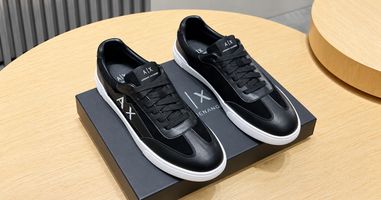
How to Choose Armani Men Shoes for Everyday Wear
Choosing Armani men shoes comes down to how you plan to wear them. The mainline collection favors refined leather designs, the contemporary range offers more casual variety, and the sportswear line leans toward athletic-inspired styles. Materials, sole shape, and your usual clothing can help you decide where to start.
A clean leather low-top and a layered mesh sneaker may both appeal to you, but they serve different purposes. Knowing which one suits your routine makes the decision easier.
1. Understanding the Three Footwear Collections
The differences become easier to spot when you look at how each collection handles materials and shape.
The mainline collection emphasizes fine finishes, understated silhouettes, and carefully selected material combinations. Its sneakers can sit comfortably beside polished casual clothing without resembling conventional dress shoes.
The contemporary collection moves between simple leather styles and more expressive mixed-material designs. Logos, panels, and outsoles introduce greater visual variety.
The sportswear division takes another direction. Mesh uppers, technical-looking details, and prominent soles give many of its sneakers an athletic character.
These distinctions help narrow the selection, although individual designs sometimes share more similarities than their collection names suggest.
2. Finding the Right Sneaker Profile
Look at the side of a sneaker before studying its decorative details. The distance between the upper and the ground, the length of the toe, and the height of the heel establish its basic shape.
Within Armani men sneakers, some styles maintain a compact low-top outline. Others use deeper soles or layered uppers that occupy more visual space.
A narrow toe does not automatically make a shoe look elegant. When the sole extends too far beyond the upper, the front can appear elongated. A rounded toe paired with a high sole, meanwhile, may look bulkier than the front photograph suggests.
The collar deserves attention too. A low opening reveals more of the ankle, while heavy padding gives the upper a fuller appearance.
Two designs in nearly identical colors can look surprisingly different once viewed from the side.
3. Deciding Where the Sneakers Will Be Worn
Think about the two situations in which you would wear a new pair most often.
For someone who divides the week between a casual office and evening plans, a clean upper may work particularly well. That same design might feel too polished for someone who spends most days in sportswear.
Travel presents another set of considerations. Shoes that need frequent removal should have an opening and lacing arrangement you find easy to manage. Multiple panels and textures may also demand more maintenance than expected.
Picture the least formal and most polished outfits you would realistically wear with the pair.
If the sneakers suit both, they have a practical advantage. If they work with only one, that can still be a reasonable choice when you have a specific occasion in mind.
4. Choosing Between Leather, Suede, and Mesh
Materials reveal differences that are easy to overlook in photographs.
Smooth leather gives a sneaker a relatively uniform finish, particularly when the upper has few visible panels. Suede introduces texture and subtle variations in tone, though it needs more attention around moisture and staining.
The selection of Armani men shoes includes designs combining these surfaces with mesh, nylon, or other textiles. Mixed construction changes the upper's appearance, sometimes making a substantial shoe look less visually dense.
Placement matters as much as material choice.
Suede around the toe faces different wear conditions from a suede section near the collar. Mesh beneath structural overlays may behave differently from an upper dominated by textile panels.
If easy maintenance is a priority, look at how many materials are involved. A sneaker with several contrasting surfaces may require more than one cleaning approach.
5. Reading the Sole Without Guessing Its Performance
Sole design tells you plenty about a sneaker's appearance, but photographs cannot establish how it will feel during a full day of walking.
Some midsoles create a continuous profile, while others emphasize grooves, contrasting rubber sections, or a raised heel. Sculpted construction can give a shoe a more athletic look without revealing its actual weight or flexibility.
Product specifications offer better clues. Look for information about rubber components, molded construction, and any cushioning materials identified by the manufacturer.
Even the underside deserves a glance. Deep grooves and relatively flat rubber bases have different visual characteristics, though tread appearance alone cannot establish grip on every surface.
A technical-looking sole may be appealing in its own right. Just be sure the performance benefits you expect are supported by the product information.
6. The Refined Details of the Mainline Collection
The premium collection includes leather and suede sneakers, with low-top designs that often favor restrained construction.
One example is the Icon leather low-top, whose lace arrangement and uncomplicated upper illustrate the collection's cleaner direction.
The appeal of Giorgio Armani shoes also extends to suede lace-ups and designs that combine leather with fabric. These introduce different textures without relying heavily on oversized graphics.
Look closely at how the materials meet. A subtle leather transition or carefully positioned panel can make a sneaker distinctive without obvious decoration.
A restrained design leaves little room for awkward stitching, poorly placed panels, or an oversized heel. When the proportions are handled well, the smaller details have room to stand out.
7. What Small Construction Details Reveal
On a low-top sneaker, lace placement can change the entire front profile.
A long lace opening divides the upper more visibly. A shorter one leaves a larger uninterrupted surface near the toe. The difference becomes especially noticeable on smooth leather.
Eyelet spacing, tongue height, and the connection between the side panels and heel deserve attention. A neatly integrated heel section can make the design appear more continuous, while contrasting panels create a stronger visual division.
These smaller decisions are particularly noticeable in low-top leather construction, where there is little decoration to distract from the shape.
The most interesting details are not always decorative. Sometimes their purpose is simply to keep the upper from looking unnecessarily complicated.
8. Everyday Choices from the Contemporary Collection
The contemporary collection offers a different kind of flexibility.
Leather low-tops provide a straightforward option for daily clothing, while suede, mesh, and nylon introduce more texture. Some designs feature visible branding; others let the material combinations do most of the work.
This distinction is noticeable within Emporio Armani shoes, where a Travel Essential leather sneaker and a mesh-and-suede alternative offer different visual directions.
The leather option may suit someone looking for a uniform upper. Mixed-material designs appeal to buyers who prefer a layered appearance.
Neither is automatically the more versatile choice. A textured sneaker in restrained colors can be easier to coordinate than a bright leather pair with strong contrasting details.
It is worth looking beyond the material description and considering the complete silhouette.
9. When Trouser Cuts Change the Decision
Trouser fit can rule out an otherwise appealing sneaker.
With narrow chinos and a short hem, a large athletic-inspired design may dominate the lower half of an outfit, especially when the outsole extends beyond the upper.
Straight-leg denim changes the effect. The fabric covers part of the shoe, making elaborate upper panels less prominent while drawing more attention to the toe and outsole.
Loose trousers introduce another issue: a very slim sneaker may almost disappear beneath the hem.
Fabric weight matters as well. Heavy denim can sit naturally beside substantial footwear, whereas thin tailored trousers may create an awkward contrast with a heavily sculpted sole.
Rather than judging the sneaker in isolation, look at the full outfit from a normal standing distance. The balance is often easier to see that way.
10. What Product Measurements Can Tell You
Brand familiarity does not guarantee consistent sizing between different sneaker constructions.
A leather low-top and a mesh design may have different internal proportions, even when their labeled sizes match. Padding, toe reinforcement, and the last used to produce the shoe can all influence fit.
Check product descriptions for sizing guidance and construction information. A noticeably narrow front deserves particular attention before purchasing.
Foot length is only part of the decision. Width, instep height, and available toe space matter too.
Once you have narrowed the options by fit, everyday sneaker outfit ideas can help you see which of the remaining silhouettes will work best with your clothing.
For online purchases, check the seller's return conditions and model-specific size guidance. A well-designed upper has little value if the shoe cannot accommodate your foot comfortably.
11. The Sportier Direction of EA7
Sport-influenced sneakers do not follow a single design formula.
The Crusher Distance range includes mesh-based designs, with reflective details appearing on certain versions. Crusher Sonic styles take another direction, using sport-oriented uppers and more pronounced construction features.
These differences are visible within EA7 Armani shoes, but the range extends beyond lightweight-looking mesh sneakers.
The Overtime Generation family includes combinations of leather, suede, and technical fabric. Its mixed surfaces show how a sport-influenced shoe can have more in common visually with a layered casual sneaker than a conventional running silhouette.
There is room for different preferences here. Some buyers will be drawn to streamlined technical shapes, while others may prefer the stronger material contrasts and fuller proportions.
Looking at individual models gives a much clearer sense of the collection than treating every sporty sneaker as the same type of shoe.
12. Understanding Color Placement
A sneaker's color distribution can matter more than the individual colors.
Consider two pairs made from white, beige, and gray materials. One places darker tones around the sole and heel. The other concentrates them near the toe and lacing area. The palette is similar, but the visual result changes.
Dark overlays make individual panels stand out. A pale sole beneath a darker upper creates a dividing line, while closely matched tones make separate sections less noticeable.
Material texture adds another variable. Suede reflects light differently from smooth leather, so identical color descriptions may not produce identical-looking surfaces.
For a simple wardrobe, examine the largest color area first. A mostly neutral upper can accommodate a contrasting detail without becoming visually busy.
Heavily divided uppers need closer consideration, even when their individual colors are subdued.
13. Which Collection Fits Your Wardrobe?
The answer depends largely on what is already in your closet.
Someone who regularly wears knitwear, dark denim, and neat casual trousers may prefer a leather low-top with discreet detailing. It provides a cleaner finish without looking overly formal.
A wardrobe built around relaxed trousers and casual jackets leaves more room for textured sneakers. Suede accents, contrasting panels, or leather-and-mesh combinations can add interest without creating an overtly athletic appearance.
Sportswear-oriented clothing points toward another direction. Substantial soles and technical-looking materials may feel more natural alongside relaxed outerwear, joggers, or cargo trousers.
These distinctions explain why Armani sneakers for men should be chosen according to the individual shoe and its intended use, rather than the collection name alone.
An Icon leather low-top, a Travel Essential sneaker, and a Crusher design answer different style preferences. Their usefulness comes from those differences.
A clear sense of where and how you will wear the shoes makes the final selection much less complicated.
14. Choosing the Pair Worth Keeping
Reduce the shortlist to two or three designs and examine what will still matter after the initial excitement fades.
Start with the outsole and side profile. Then check upper materials, available measurements, and care requirements. These details tell you more about everyday suitability than a flattering product photograph.
One question is particularly useful: would you still choose this pair if the logo were less noticeable?
If the answer is yes, the design probably offers something beyond brand recognition.
Those drawn to sportier silhouettes may also want to examine technical sneaker design choices, particularly how layered uppers and sculpted soles influence the shoe's appearance.
The final decision should come down to the actual pair in front of you. A leather low-top may complement tailored casual clothing beautifully, while a layered technical design could be more at home with relaxed trousers and sportswear.
Whichever direction you choose, the shoe should feel like a natural addition to your wardrobe rather than something you have to dress around.
James Anderson
James Anderson is a luxury footwear writer specializing in designer shoes,fashion craftsmanship,and timeless style.He explores the materials,construction,heritage,and design philosophy behind iconic footwear brands,providing practical insights into choosing and styling luxury shoes for different occasions.His guides help readers understand the details behind premium footwear and how these pieces fit into modern wardrobes.